
Planting
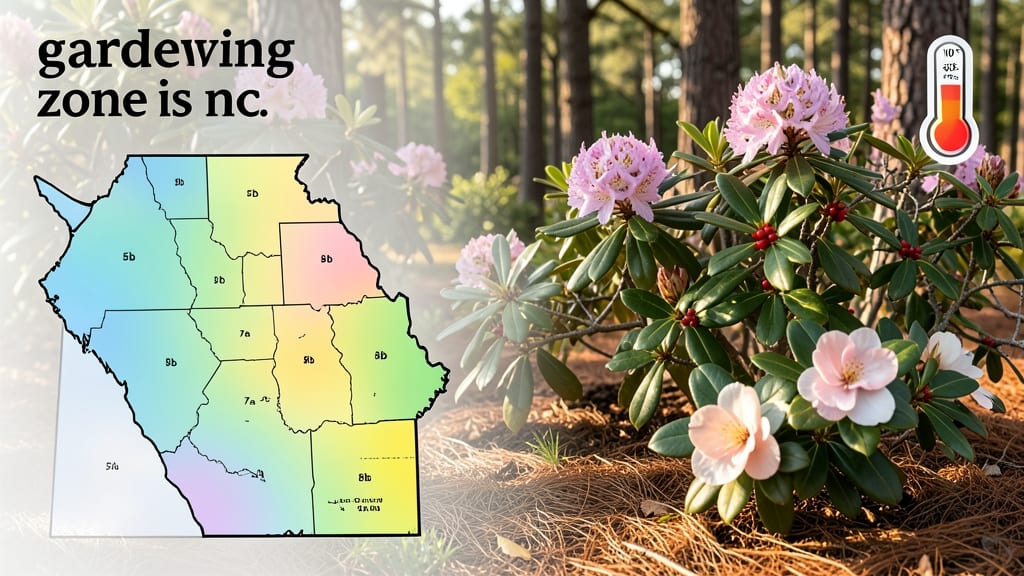
North Carolina's gardening zones range from USDA Zone 5 in the mountains to Zone 8 along the coast, with most areas falling in Zones 6b to 7b. These variations mean mountain gardeners face earlier frosts while coastal areas enjoy longer growing seasons.
North Carolina's diverse geography creates this wide range of growing conditions. The Appalachian Mountains push temperatures into Zone 5, where winters can drop below 10°F, while coastal areas rarely see frost before mid-February.
This variation means you'll need to adjust planting times and plant choices based on your exact location. 🌿 For example, Zone 5 plants like rhododendrons thrive in the mountains, while Zone 8 vegetables like okra grow well along the coast.
What makes this especially important is how these zones affect frost dates. In the mountains, gardeners often wait until mid-May to plant frost-sensitive crops, while coastal gardeners can start as early as mid-March. This difference highlights why understanding your specific zone is crucial for successful gardening across the state.
💡 In This Article
- How North Carolina’s Climate Shapes Gardening Zones
- Choosing Plants for NC’s Mixed Gardening Zones
How North Carolina’s climate shapes gardening zones
North Carolina's dramatic elevation changes create this wide gardening zone range.
The Appalachian Mountains in the western part of the state reach elevations over 6,000 feet, where temperatures can drop to -10°F in winter, pushing these areas into Zone 5a. This high-altitude climate creates microclimates where some plants thrive that would freeze in lower elevations just 50 miles away.
The temperature inversion effect in mountain valleys often makes them 2-5°F colder than surrounding areas, further extending the growing season challenges.
Conversely, the coastal plain stretches from Raleigh to the Atlantic Ocean, where warm Gulf Stream currents moderate temperatures. These areas rarely experience hard freezes below 20°F, allowing tropical and subtropical plants to flourish.
The difference in average last frost dates between mountains (April 15-May 1) and coast (March 15-April 1) creates a 6-week planting time difference for frost-sensitive crops like tomatoes and peppers.
This coastal warmth also means some plants that would struggle in Zone 6b can thrive in Zone 8a areas.
The state's latitude plays a crucial role too. Northern NC near Virginia borders typically sits in Zone 6b-7a, while southern NC near South Carolina approaches Zone 8a. This creates a gradual temperature gradient where gardeners in the Piedmont region (central NC) experience transitional climates that require careful plant selection.
For example, while Zone 7a can support cold-hardy plants like serviceberry trees, Zone 6b areas might need winter protection for the same species. 🌡️
What's particularly interesting is how these zones interact with humidity patterns. Coastal areas experience 80-90% humidity during summer months, which affects plant disease susceptibility, while mountain regions have lower humidity but more pronounced temperature swings.
This means gardeners in different zones need to consider not just cold tolerance but also heat and moisture management for their plants. The Piedmont region acts as a transition zone where gardeners can experiment with plants from both colder and warmer zones.
Understanding these climate patterns helps explain why some plants thrive in one part of the state but struggle in another. For instance, azaleas and camellias, which love the acidic soils and milder winters of coastal NC, would likely suffer from winter damage in the mountains.
Meanwhile, mountain gardeners can successfully grow hearty perennials like coneflowers that might wilt in the intense summer heat of the coastal plain. This geographic diversity makes North Carolina a fascinating case study in regional gardening adaptation.