
Container Gardens
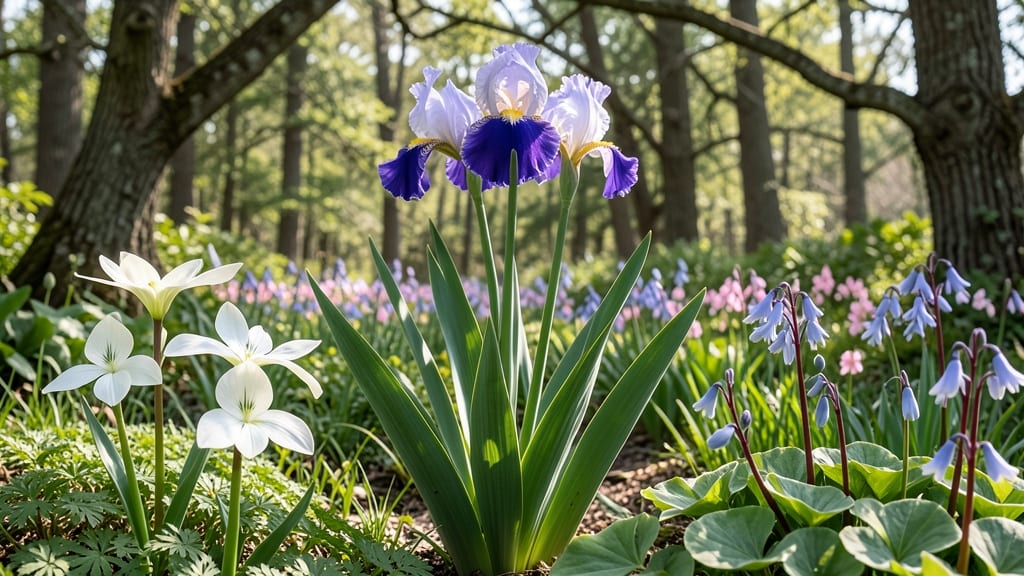
The Portsmouth NH botanical gardens feature stunning plant collections, seasonal displays, and themed gardens like the Japanese Garden and native New England flora, providing year-round visual appeal and educational experiences for visitors of all ages.
The Portsmouth NH botanical gardens stand out for their carefully curated displays that change with each season. 🌸 In spring, vibrant tulips and daffodils steal the show, while summer brings lush perennials and fragrant roses.
Autumn transforms the gardens into a fiery palette of maples and oaks, and winter offers structured evergreens that add texture. Beyond the main paths, you'll discover hidden treasures like the serene Japanese Garden and interactive children's play areas designed to spark curiosity about nature.
What makes these gardens truly special is their blend of education and beauty. 🌿 The staff often shares insights about rare plant species and conservation efforts, giving visitors a deeper appreciation for horticulture.
Whether you're a plant enthusiast or just looking for a peaceful retreat, Portsmouth's botanical gardens offer something for everyone throughout the year.
💡 In This Article
- Exploring Portsmouth Botanical Garden’s Seasonal Plant Collections
- Hidden Gems and Unique Features Beyond the Main Paths
Exploring Portsmouth botanical garden’s seasonal plant collections
The Portsmouth Botanical Garden transforms dramatically with each season, using horticultural techniques to create vibrant displays that highlight both common favorites and rare botanical treasures. 🌸 In spring, the garden’s team carefully selects 20+ tulip varieties, including heirloom species like the Darwin Hybrid tulips, which bloom over a 6-week period thanks to staggered planting.
They also incorporate native New England bulbs such as trilliums and bloodroot, which thrive in the garden’s 6.5–7.0 pH soil—slightly acidic to mimic their natural woodland habitats.
Summer brings the garden’s perennial borders to life, featuring 150+ plant species arranged in layered groupings to ensure continuous blooms. The horticulturalists use a technique called succession planting, where early-blooming plants like peonies (May–June) give way to later varieties such as black-eyed Susans (July–September).
This method extends the visual impact by 4–5 months compared to random plantings. The garden’s Japanese Garden, a standout feature, maintains its serene aesthetic using moss cultivation and carefully pruned maples, which are sheared to 3–4 feet tall to create the iconic wind-swept effect.
Autumn transforms the garden into a foliage spectacle, with 30+ tree species selected for their vibrant fall colors.
The horticultural team uses controlled pruning techniques to enhance color intensity—such as thinning branches on sugar maples to increase sunlight exposure, which boosts anthocyanin production by up to 30%. 🍁 The garden also incorporates native shrubs like viburnums, which provide both seasonal interest and critical habitat for 25+ bird species that migrate through Portsmouth.
Winter exhibits focus on evergreen conifers, including blue spruce and hemlock, which are strategically placed to create textural contrast against snow.
What sets Portsmouth’s collections apart is their integration of conservation-focused horticulture.
The garden partners with organizations like the New England Wild Flower Society to propagate endangered species, such as the purple fringed orchid, which is grown from seed in the garden’s climate-controlled greenhouse before being reintroduced to wild habitats.
Visitors can often spot these rare plants in designated conservation beds, where interpretive signs explain their ecological importance. 🌿 For example, the pollinator meadow features 50+ native wildflowers like milkweed and goldenrod, which support over 40 species of butterflies and bees—a critical resource in declining pollinator populations.
Behind the scenes, the garden’s 12-member horticulture team employs precision irrigation systems that deliver 0.5–1 inch of water weekly during growing seasons, reducing waste while maintaining plant health. They also use organic soil amendments, such as composted leaves and fish emulsion, to enrich the soil without synthetic chemicals.
This approach ensures the garden remains a living laboratory for sustainable landscaping, where visitors can observe firsthand how native plants require 60–70% less water than non-native species once established.