
Advice
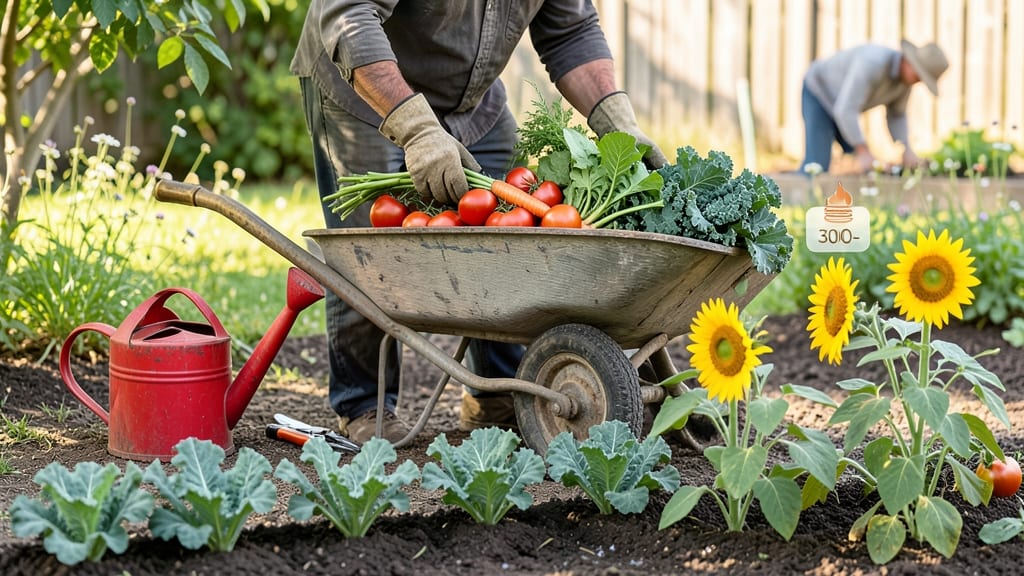
Gardening can burn between 100-400 calories per hour depending on the activity: light tasks like weeding for 30 minutes typically burn 100-120 calories, while vigorous work like digging or hauling soil for an hour can exceed 300-400 calories for someone weighing 155 pounds. Your effort level and time spent directly determine how many calories you'll expend.
Gardening isn't just a hobby—it's a surprisingly effective way to sneak in extra movement throughout your day. 🌱 The key lies in how you structure your time: swapping a 30-minute walk for an hour of digging or mulching can nearly double your calorie burn.
I've found that combining tasks—like carrying heavy pots while weeding—boosts intensity without extra effort. Even light gardening adds up over time, especially if you incorporate short bursts of higher-efficiency movements like lifting or pushing.
What's interesting is how body weight plays a role: heavier individuals naturally burn more calories during the same tasks. For example, a 200-pound person might torch 400+ calories in an hour of shoveling, while someone at 120 pounds would see closer to 250.
The good news? You don't need to be a fitness expert—just focus on maintaining steady activity and enjoying the process.
💡 In This Article
- How Gardening Activities Affect Calorie Burn Rates
- Maximizing Calorie Burn While Gardening Efficiently
How gardening activities affect calorie burn rates
Gardening transforms into a surprisingly effective workout when you understand how different tasks engage your muscles. Light activities like weeding or trimming plants for 30 minutes burn roughly 100-120 calories for a 155-pound person, similar to a leisurely walk. The key difference?
Gardening often involves repetitive motions that activate multiple muscle groups simultaneously—like your core stabilizing while you bend to pull weeds or your arms lifting pruners. This multi-muscle engagement boosts calorie burn beyond what a simple stroll would achieve.
When you shift to more intense tasks, the numbers climb dramatically. Digging, shoveling soil, or hauling heavy pots for 60 minutes can torch 300-400 calories or more, putting it on par with moderate cardio like brisk cycling.
The secret lies in the resistance: pushing through dense soil or lifting bags of mulch forces your body to work against gravity and friction, creating what exercise scientists call "external load" resistance.
Even planting flowers becomes more effective when you incorporate squats or lunges to reach deep pockets in the soil.
Your body weight plays a surprising role in these calculations. A 200-pound gardener might burn 40-50% more calories than someone weighing 120 pounds performing identical tasks. This isn't just about muscle mass—it's physics. Heavier bodies require more energy to move, lift, and stabilize.
For example, carrying a 20-pound bag of soil over 100 feet burns about 50 calories more for a 180-pound person than for a 130-pound person. The good news? This means gardening scales naturally to your size without needing extra effort.
Duration matters just as much as intensity. Research shows that breaking gardening into three 20-minute sessions throughout the day can burn nearly as many calories as one continuous 60-minute session, thanks to the "afterburn effect" where your metabolism stays elevated. The catch?
You need to maintain consistent movement—sitting to rest for long periods between tasks can cut calorie burn by up to 30%. Think of it like interval training: short bursts of high-effort activities (like raking vigorously) followed by lighter tasks (like arranging plants) keeps your heart rate elevated.
Here's where it gets interesting: gardening often exceeds standard exercise calorie estimates because of its unpredictable nature. Unlike treadmills with consistent speeds, real-world gardening involves constant adjustments—bending, twisting, reaching—which engage stabilizer muscles that don't show up in lab measurements.
For instance, pruning tall trees requires reaching overhead, which activates your upper back and shoulders more than a simple arm curl. This "functional fitness" aspect makes gardening one of the few hobbies that genuinely works your entire body.
To put this in perspective, consider this comparison: One hour of casual gardening (weeding, light planting) burns about 200 calories—similar to playing doubles tennis. But swap to heavy-duty tasks (digging trenches, moving compost) and you're looking at 350-450 calories, matching a vigorous swim.
The beauty? You're not just burning calories; you're building strength, flexibility, and endurance without ever setting foot in a gym. 🌿