
Container Gardens
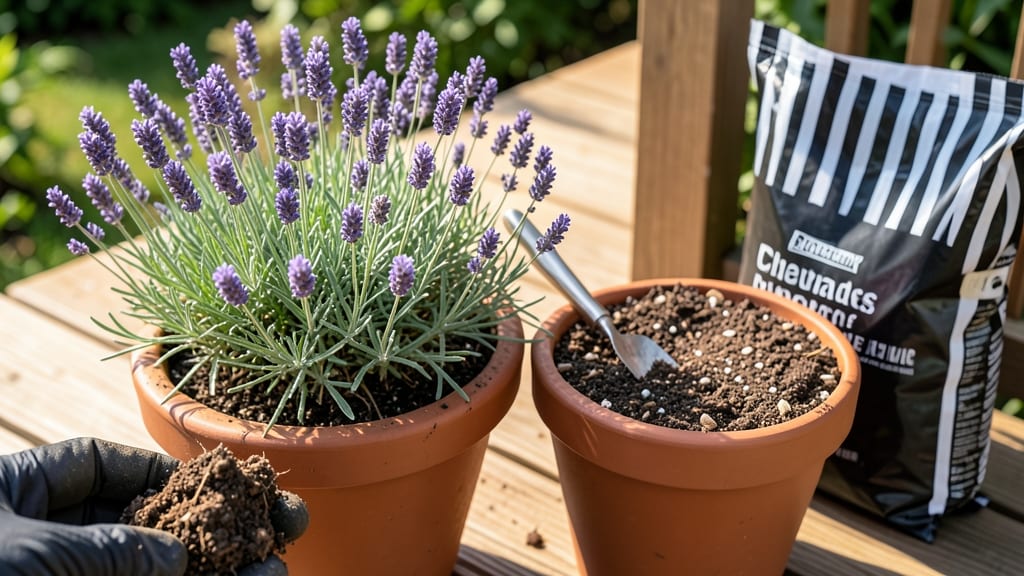
Garden soil can't be used in pots directly because it compacts easily, drains poorly, and may introduce weeds or pathogens. Instead, blend it with 20-30% perlite or coconut coir and combine with lightweight potting mix to improve airflow and moisture balance.
Using garden soil straight from your yard in containers creates a recipe for disaster.
The dense texture suffocates roots by trapping excess moisture, while its heavy weight makes pots top-heavy and prone to tipping. 🌱 Even worse, garden soil often harbors weed seeds and soil-borne diseases that thrive in confined spaces.
I’ve seen firsthand how plants in pure garden soil wilt faster and recover poorly from droughts because the soil holds water like a sponge without letting oxygen reach the roots.
For a safe workaround, mix garden soil with compost or worm castings (10-20%) to boost nutrients, then add 30% perlite or vermiculite to prevent compaction. This creates a looser structure that mimics ideal potting conditions. Always pair it with a quality potting mix—never use garden soil as the sole base.
The key is balance: too much garden soil defeats the purpose, but a small amendment can actually improve your container garden’s health.
💡 In This Article
- Why Garden Soil Fails in Container Gardening
- Best Soil Mixes for Potted Plants Using Garden Soil
Why garden soil fails in container gardening
Garden soil's heavy clay or silt composition creates a dense matrix that crushes under a pot's weight, reducing pore space by up to 40%. This compaction blocks oxygen flow to roots, which need 10-20% air porosity to thrive—something garden soil can't provide without amendment.
The result? Roots suffocate, leading to stunted growth or even death within weeks. 🌱
Water retention is another critical failure point. Garden soil holds 2-3 times more moisture than ideal potting mixes, creating soggy conditions that promote root rot. Unlike in-ground soil where roots can spread freely, container plants have no escape—excess water pools at the bottom, where roots can't access oxygen.
This is why plants in unamended garden soil often develop yellow leaves and mushy stems within 2-3 weeks of planting.
The nutrient imbalance is equally damaging. Garden soil provides a broad spectrum of minerals, but its slow-release nature doesn't match container plants' rapid nutrient demands. Without regular fertilization, micronutrient deficiencies like iron or zinc appear as yellowing between leaf veins.
The problem worsens in small pots where roots can't forage for nutrients beyond the immediate soil volume. 🔍
Weed seeds and pathogens present a hidden threat. Garden soil often contains dormant weed seeds that germinate when exposed to light and moisture—common in shallow pots. Diseases like Pythium or Fusarium thrive in the confined, moist environment, spreading rapidly through root systems.
Unlike in-ground plants, container plants can't outgrow these issues; they're trapped in a closed system.
Consider the texture comparison: garden soil feels dense and sticky when wet, while ideal potting mixes crumble easily between fingers. This difference isn't just about feel—it's about function. The granular structure of potting soil creates thousands of tiny air pockets, while garden soil's compacted form resembles concrete.
Even adding 10% sand won't fix this; you need 30-50% organic amendments to restore proper aeration. 💫
Temperature regulation suffers too. Garden soil's high heat capacity causes pots to overheat in summer and stay cold in spring, shocking delicate roots. Potting mixes with perlite or coconut coir insulate better, maintaining more stable temperatures.
The difference shows when you touch pots after a sunny day—garden soil pots feel noticeably warmer, while amended mixes stay cooler to the touch.