
Light Requirements
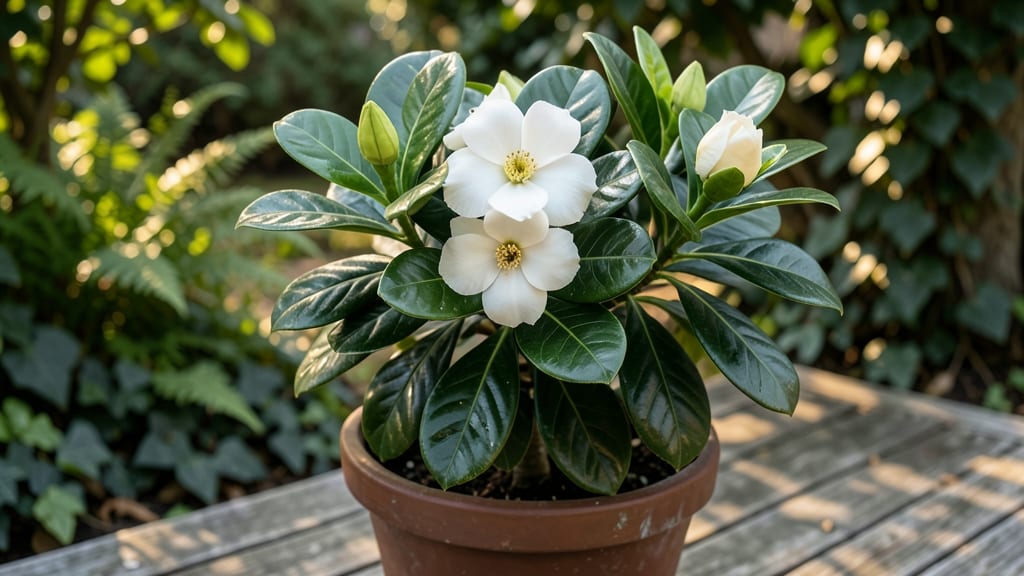
Gardenias can grow in shade, but their blooms and fragrance will depend on how much light they actually get 🌸 — and the tricks to coax the best out of them.
You’ve probably heard gardenias need bright light, but what if your yard is mostly dappled shade or your balcony faces east? The key isn’t giving up—it’s understanding how much shade your gardenia can handle before its flowers turn sparse or its leaves lose their glossy sheen.
Some varieties, like the hardy Kleim’s Hardy, are better at adapting to lower light, while others will stretch and struggle without even partial sun. Below, I’ll break down the shade tolerance of different gardenias, how to spot light deprivation, and the simple adjustments that make all the difference.
From soil tweaks to strategic pruning, you’ll learn how to turn your shady spot into a fragrant gardenia haven—without sacrificing those signature creamy blooms.


How much shade can gardenias tolerate before struggling?
Gardenias (Gardenia jasminoides) are often called the "queens of shade-loving shrubs," but their tolerance for low light has strict limits. While they can survive in partial shade, pushing them too far into deep shade triggers stress responses like leggy growth, fewer blooms, and yellowing leaves.
Understanding their light thresholds helps you balance their needs with your garden's conditions.
The ideal light range for gardenias falls between 2-4 hours of morning sun and dappled shade for the rest of the day. This mimics their natural understory habitat in tropical forests, where they receive filtered sunlight through canopy leaves.
In USDA Zones 8-11, gardenias thrive outdoors year-round with this light exposure, while colder zones (6-7) may require container growing for winter protection.
Here’s how partial shade affects their key functions:
| Light Condition | Growth Impact | Flowering Impact | Foliage Health |
|---|---|---|---|
| Full Sun (6+ hours) | Compact, bushy growth | Abundant, large blooms | Deep green, glossy leaves |
| Partial Shade (2-4 hours sun) | Moderate growth, slightly leggy | Moderate blooms, smaller size | Pale green, thinner leaves |
| Deep Shade (<2 hours sun) | Elongated stems, sparse foliage | Minimal to no blooms | Yellowing, sparse leaves |
Seasonal light changes also play a critical role. In summer, gardenias can handle more shade due to intense midday sun, but winter months require additional light to prevent bud drop.
If your gardenia is in a north-facing location, supplement with a grow light for 4-6 hours daily during short winter days to maintain blooming potential.
Watch for these red flags indicating your gardenia isn’t getting enough light: stretched stems reaching toward light sources, pale or yellowing leaves, and buds failing to open.
These signs mean your plant is stretching to capture more light, a survival tactic that weakens its structure and reduces flowering energy. Prune back leggy growth by one-third in early spring to encourage bushier, healthier regrowth.
For gardeners in shady microclimates, like under large trees or on north-facing walls, choose dwarf varieties like ‘Kleim’s Hardy’ or ‘Radicans,’ which tolerate lower light better than standard types.
These cultivars also produce more fragrant blooms in partial shade compared to their taller counterparts, making them ideal for shaded patios or woodland gardens.
Adjusting your gardenia’s environment doesn’t stop at light—soil acidity and fertilizer choices also compensate for low-light stress. Amend the soil with peat moss or pine needles to maintain a pH of 5.0-6.5, and use a slow-release, acid-loving plant fertilizer in early spring to support energy-starved foliage.
Avoid high-nitrogen fertilizers, which promote leafy growth at the expense of blooms.
If your gardenia is already struggling in shade, don’t despair—container growing offers a lifeline. Move potted gardenias to a sunny patio or balcony during peak sunlight hours (10 AM–2 PM) and return them to shade by late afternoon.
This rotational light therapy can revive even the most shade-deprived plants, provided you maintain consistent moisture and humidity levels.
Remember, gardenias are not shade lovers but light moderators. With the right balance of morning sun, soil care, and seasonal adjustments, you can coax fragrant blooms from even the shadiest corners of your garden.
Start small—test a single plant in your shadiest spot—and observe how it responds before committing to larger plantings.
🌿
Best shade-tolerant gardenia varieties for low-light gardens
Not all gardenias are created equal when it comes to shade tolerance. While most varieties crave sunlight, these shade-tolerant gardenia cultivars can handle partial shade with the right care. The key is selecting varieties bred for resilience and adjusting their environment to mimic their natural light preferences.
For gardeners with low-light gardens, the right gardenia variety can transform a dim corner into a fragrant haven. These plants thrive in 2-4 hours of morning sun and tolerate dappled shade, making them perfect for under trees or north-facing patios. Let’s explore the top performers.
G. jasminoides 'Kleim’s Hardy' is the gold standard for shade tolerance. This variety handles 3-4 hours of filtered light daily while still producing abundant white blooms with a strong jasmine-like fragrance. Its glossy, dark green leaves stay vibrant even in low light, making it ideal for USDA Zones 6-9.
Next, G. radicans (Cape Jasmine) thrives in partial shade and even tolerates deep shade better than most gardenias. While its blooms are smaller, they’re highly fragrant and appear sporadically throughout the year. This variety is perfect for humid climates and coastal gardens where other gardenias struggle.
For those seeking compact gardenia varieties, G. augusta hybrids like 'Veitchii' offer dwarf growth (2-3 feet tall) and moderate shade tolerance. These produce double white flowers with a sweet, intoxicating scent. To maximize blooms, place them near a north-facing window or under a light canopy.
Care adjustments are crucial for shaded gardenias. Increase fertilizer frequency to every 4 weeks during spring/summer, and prune spent blooms to encourage new growth. Mulch with acidic compost to maintain soil pH between 5.0-6.5, which is critical for iron uptake in low-light conditions.
With the right variety and a few tweaks, your shady garden can become a fragrant oasis. Start with 'Kleim’s Hardy' for reliability, or try G. radicans for a low-maintenance option.
Just remember: more shade = fewer blooms, but the trade-off is worth it for a lush, fragrant garden in tricky spots. 🌿