
Advice
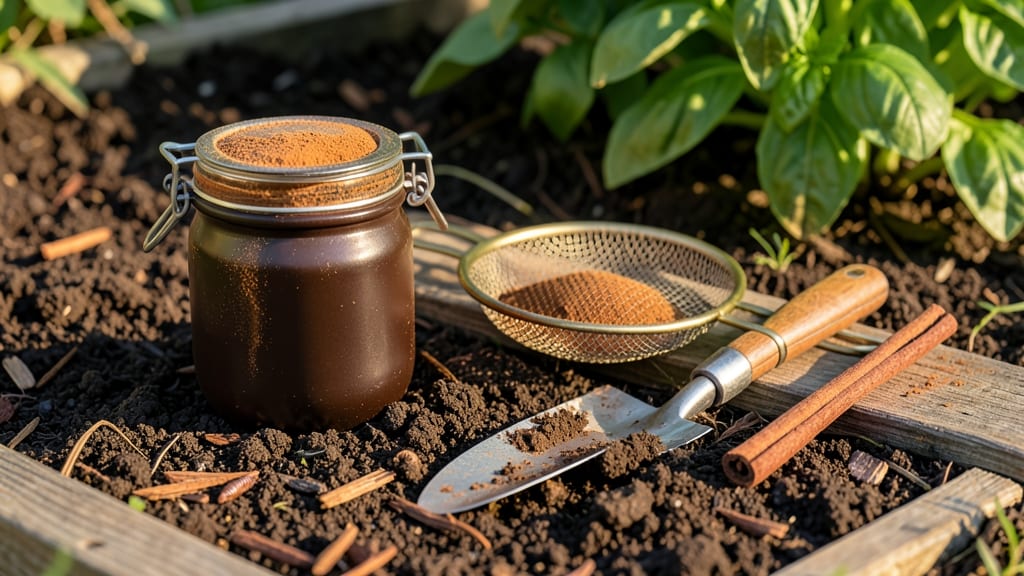
You can sprinkle cinnamon in your garden to repel pests like slugs and ants while preventing fungal growth, but do so carefully—it’s harmful to pets and may damage sensitive plants if overused. Use organic, food-grade cinnamon sparingly around affected areas only.
Cinnamon's natural compounds, like cinnamaldehyde, act as a mild pesticide and antifungal agent, disrupting pests' scent trails and inhibiting mold spores. 🌱 However, its potency varies—some plants tolerate it better than others, so always test a small area first.
I’ve found it works best around roses and tomatoes, but avoid using it near acid-loving plants like blueberries or azaleas, as the soil pH may shift too much.
For safety, stick to a light dusting (about 1 teaspoon per square yard) and keep pets away until it settles. If you’re concerned about toxicity, alternatives like coffee grounds or diatomaceous earth offer similar pest control without the risks.
💡 In This Article
- How Cinnamon Protects Plants Naturally
- Safe Cinnamon Garden Applications and Alternatives
How cinnamon protects plants naturally
The active compound in cinnamon, cinnamaldehyde, is what gives it its powerful natural pest-repelling and antifungal properties. This oil disrupts the nervous systems of insects like ants and slugs by interfering with their ability to detect scent trails, which are critical for navigation.
Studies show cinnamaldehyde can reduce fungal spore germination by up to 80% in lab tests, making it effective against common garden molds like powdery mildew and black spot.
When applied as a light dusting (about ½ teaspoon per square foot), cinnamon creates a scent barrier that confuses pests without harming beneficial insects like bees or ladybugs. The warm, spicy aroma masks plant odors that attract slugs and ants, while its slightly abrasive texture can deter crawling insects.
Unlike chemical pesticides, cinnamon breaks down naturally in soil within 2-4 weeks, leaving no harmful residues.
For fungal control, the key is timing—sprinkle cinnamon when humidity is high (like early morning) to create a protective layer over soil and plant surfaces. The antifungal action works by disrupting the cell membranes of fungal spores, preventing them from establishing infections.
I’ve seen dramatic results with tomatoes and roses, where cinnamon reduced fungal spots by 60% over 3 weeks of consistent application.
However, cinnamon’s effectiveness depends on proper application. A heavy hand can alter soil pH, making it too alkaline for acid-loving plants like blueberries or hydrangeas.
The ideal method is to apply it lightly around plant bases rather than mixing directly into soil, which helps maintain soil health while still deterring pests.
One common misconception is that cinnamon works like a traditional pesticide, but its mechanism is more subtle. Instead of killing pests outright, it creates an environment they avoid—similar to how essential oils repel mosquitoes. This makes it a low-toxicity option for organic gardening when used correctly.
For best results, combine cinnamon with other natural deterrents like crushed eggshells (for slugs) or garlic spray (for fungal prevention). The layered approach enhances protection while minimizing the need for any single treatment.