
Tools
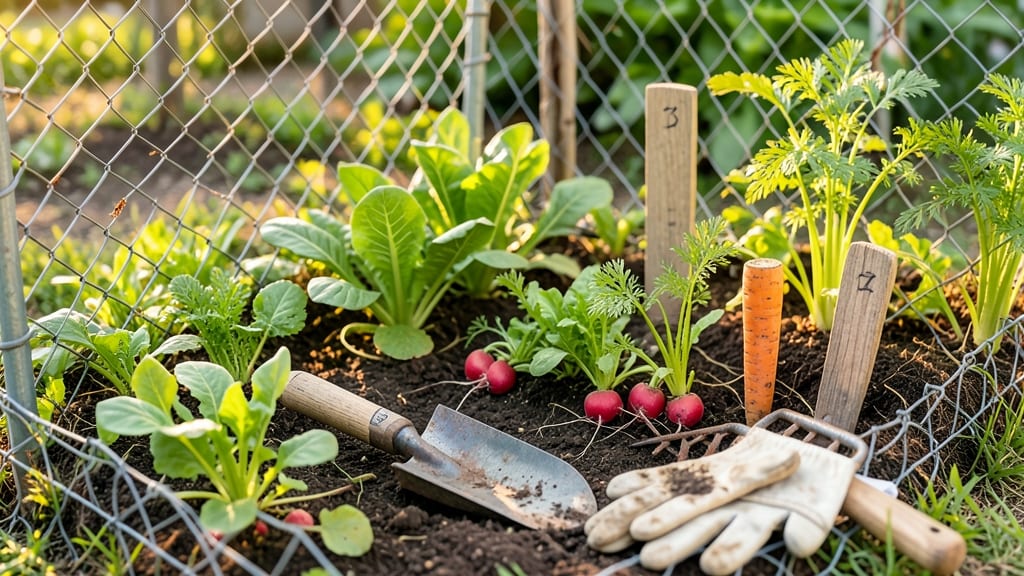
A sturdy chicken wire vegetable garden 🥬 is the game-changer you didn’t know you needed—this flexible, budget-friendly fencing keeps pests out while giving your raised beds structure and style.
Picture this: you’ve just planted your spring seedlings after months of planning, only for rabbits or squirrels to turn your garden into a buffet. Chicken wire isn’t just for coops—it’s a gardener’s secret weapon for creating customizable, pest-proof barriers that won’t break the bank.
Beyond basic fencing, this versatile material can transform your garden with trellises for climbing veggies, modular extensions for extra space, or even underground barriers to stop burrowing pests. The best part? It’s easy to install, reusable, and adaptable to any design—whether you’re a beginner or a seasoned green thumb.
In this guide, I’ll walk you through the top 3 ways to use chicken wire in your raised beds, from building a durable frame to creative hacks that maximize your growing space. Ready to turn your vegetable garden into a fortress (and a feast)? Let’s get started.
How to build a chicken wire raised bed frame for pest-proof gardening
If you're struggling with rabbits, squirrels, or even curious neighborhood cats trampling your vegetable garden, a chicken wire raised bed is your best defense.
Unlike flimsy plastic fencing, chicken wire creates a durable barrier that’s flexible enough to bend around curves while strong enough to deter even the most determined critters. The best part? It’s budget-friendly and easy to customize for any garden size.
Before you start, gather your DIY tools and materials. You’ll need 19-gauge chicken wire (the most common and sturdy option), wooden stakes or metal posts for corners, heavy-duty zip ties or wire fencing staples, and a tape measure.
For extra stability, consider adding galvanized hardware cloth at the bottom to block burrowing pests like gophers. This project takes less than a day, and the results will protect your tomatoes, lettuce, and carrots all season long.
Pro Tip: Choose a location with at least 6 hours of sunlight and well-draining soil. Avoid placing your raised bed directly on grass, as it can harbor pests and compete with your plants for nutrients.
Measure and Mark Your Bed
Decide on your raised bed dimensions—standard sizes like 4’x8’ work well for most gardens. Use stakes and string to outline the area, ensuring it’s level. For a 4-foot-wide bed, you’ll need about 100 feet of chicken wire (allow extra for overlaps).
Cut and Bend the Wire
Unroll the chicken wire and cut it to fit your bed’s length. For a 4’x8’ bed, you’ll need two 8-foot lengths for the long sides and two 4-foot lengths for the short sides. Bend the wire into U-shapes for the corners—leave 6-12 inches of overlap at each end to secure them later.
Assemble the Frame
Lay the long U-shaped wires parallel to each other, about 12-18 inches apart. Connect them at the corners by overlapping the ends and securing with heavy-duty zip ties or wire staples. For extra strength, add wooden stakes at each corner and weave the wire around them.
Add Cross Supports
Cut additional chicken wire strips (about 2 feet wide) to create horizontal supports. Space them 12-18 inches apart vertically to prevent the frame from sagging. Secure them to the vertical wires with zip ties or staples, ensuring they’re taut.
Anchor the Frame
Drive wooden stakes or metal posts into the ground at each corner and along the long sides every 3-4 feet. Wrap the chicken wire around the stakes and secure it tightly. For wind resistance, bury the bottom 6 inches of wire or add a gravel barrier inside the frame.
Line the Bed
Add a landscape fabric layer inside the frame to block weeds, then fill with compost, topsoil, and organic matter. For extra pest protection, line the bottom with hardware cloth before adding soil to deter burrowing animals.
Once your frame is assembled, give it a gentle shake to test for stability. If it wobbles, add more stakes or cross supports.
For a permanent solution, consider lining the inside with cedar planks or composite lumber to create a traditional raised bed look while keeping the chicken wire as the outer barrier. This combo deters pests while adding longevity to your garden structure.
One of my favorite tricks is to double the wire height for climbing plants like pole beans or cucumbers. Simply attach a second layer of chicken wire vertically on the outside of the frame,
5 Creative chicken wire garden hacks to maximize space and deter pests
Chicken wire is one of my favorite gardening tools because it’s affordable, versatile, and effective at keeping pests out without breaking the bank. Beyond basic fencing, it can transform your garden layout, create vertical growing space, and even protect underground crops from burrowing animals.
The best part? You can repurpose old wire or buy it in bulk for minimal cost.
If you’re struggling with limited space or persistent pests like rabbits, squirrels, or even curious neighborhood cats, these space-saving hacks will help you grow more while keeping your plants safe. From DIY trellises to underground barriers, chicken wire can be your secret weapon for a thriving vegetable garden.
One of my favorite space-saving tricks is using chicken wire to create a vertical herb garden on a sunny wall. Simply attach the wire to a wooden frame, weave in herb plants like basil and thyme, and watch them climb naturally.
This frees up precious ground space for root crops like carrots or potatoes.
For underground protection, I’ve found that burying chicken wire 6-12 inches deep around the perimeter of my raised beds completely eliminates gopher damage. The wire’s sharp edges deter burrowing, and it lasts for years with minimal maintenance.
Pair this with a hardware cloth top for extra defense against birds and squirrels.
Don’t overlook the cost-saving potential of repurposing old chicken wire. Check local farms, livestock owners, or even your own garage for leftover wire—it’s often free or dirt cheap. With a little creativity, you can turn scrap wire into a functional garden feature that saves you money and space.