
Planting
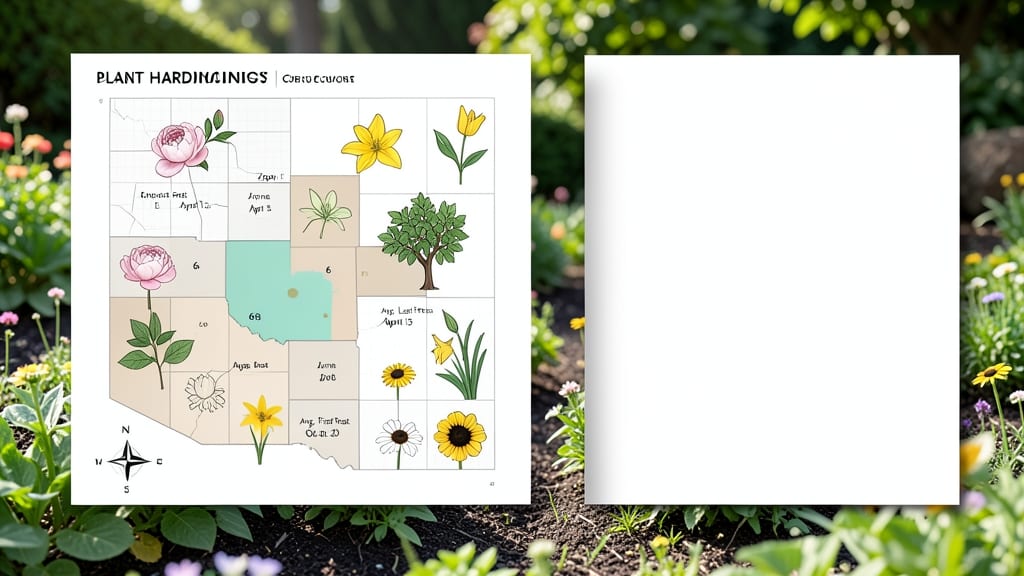
Understanding Cincinnati's gardening zone is essential for successful planting, as it falls in USDA Zone 6a with frost-free periods running from mid-April to mid-October, creating a roughly 180-day growing window. Always verify local frost patterns for optimal plant selection.
Cincinnati's Zone 6a classification means you can grow a wide variety of plants, but knowing the -10°F to -5°F temperature range helps you choose cold-hardy varieties. 🌱 The city's microclimates can create variations—urban areas might experience slightly warmer conditions than rural spots, so always check your specific location's frost history.
This zone supports everything from hardy perennials to fruit trees, making it perfect for year-round gardening enthusiasts.
For those looking to push boundaries, extending the growing season with row covers or cold frames can add valuable weeks to your planting calendar. Many gardeners in the area also use succession planting to maximize space and time, ensuring a continuous harvest throughout the summer and fall seasons.
💡 In This Article
- How Cincinnati’s Zone 6a Affects Plant Selection
- Extending Cincinnati’s Growing Season with Smart Techniques
How Cincinnati’s Zone 6a affects plant selection
Cincinnati’s classification as USDA Zone 6a means your garden must handle minimum winter temperatures between -10°F and -5°F. This range eliminates tender tropical plants like bananas or citrus but opens the door to hardy perennials, fruit trees, and cold-resistant vegetables.
For example, peonies thrive here with their 3-5 year establishment period, while apple trees like the 'Liberty' variety can withstand these temperatures while producing sweet fruit. The key is selecting plants with cold tolerance matching or exceeding Cincinnati’s extremes.
Seasonal shifts create additional challenges. Spring frost risks persist until mid-April, so planting warm-season crops like tomatoes (Zone 5-9) must wait until soil temperatures reach 60°F.
Fall brings a 180-day growing window challenge—cool-season crops like kale (Zone 3-9) can handle light frosts, while tender basil (Zone 10-11) must be harvested before October 15 first frosts.
Microclimates add complexity: Urban areas near the Ohio River may experience 2-3°F warmer minimum temperatures than inland spots, creating localized growing advantages.
Understanding Cincinnati’s 180-day growing season helps with planning. Early spring plantings benefit from cold-hardy annuals like pansies (Zone 3-11) that bloom from 40°F to 75°F, while summer heat demands shade-tolerant varieties.
The zone also supports perennial herbs like rosemary (Zone 7-10), which need winter protection, versus hardy thyme (Zone 5-9) that thrives without intervention. This balance between resilience and care requirements defines successful Cincinnati gardening.
For trees, Zone 6a’s cold tolerance makes species like red maples (Zone 3-9) ideal, while fruit trees require careful selection. 'Honeycrisp' apples (Zone 3-8) handle the cold, but 'Fuji' apples (Zone 5-8) may need winter mulch.
The zone’s -10°F threshold eliminates citrus, but it perfectly suits Zone 3-7 shrubs like lilacs, which reward gardeners with 2-week spring blooms after surviving winter dormancy.
Local variations matter—southern Cincinnati’s proximity to the Ohio River creates a 3-5°F warmer microclimate than northern areas. This explains why Zone 7 plants like hydrangeas sometimes survive winters in river-adjacent gardens.
Always verify your specific location’s frost history through local cooperative extension services or weather station data to fine-tune plant selection. 🌿