
Pests
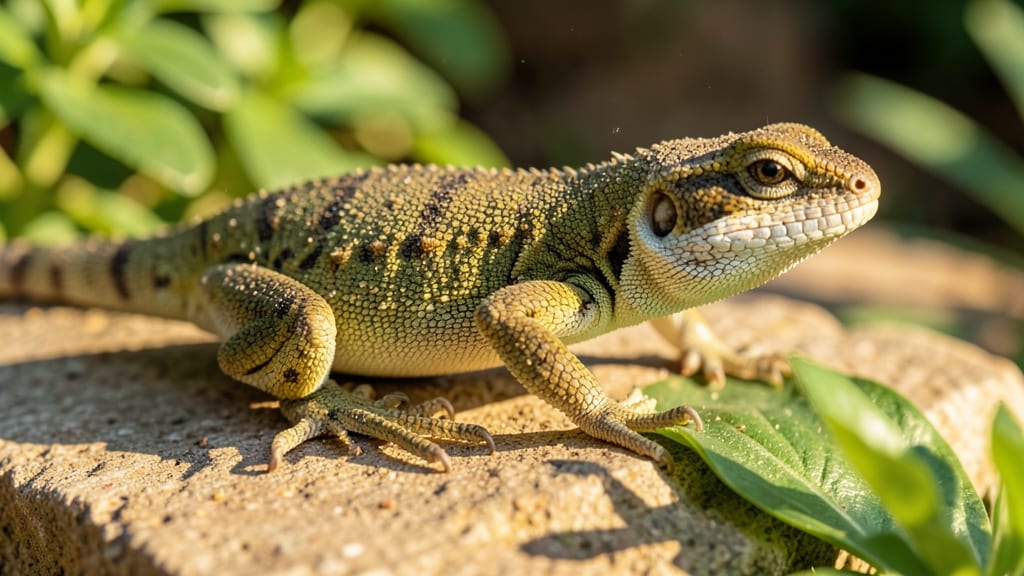
Common garden lizards are small, slender reptiles you'll often find basking along sunny garden edges, near rocks, or in dense foliage, with distinctive color patterns or crests that help them blend into their surroundings or establish territory.
These reptiles thrive in warm, sheltered spots where they can hunt insects or bask safely. 🌿 Anoles, for example, often sport bright colors and crests along their backs, while skinks tend to have smoother scales and more muted tones.
Their presence usually means your garden has a healthy ecosystem, as they help control pests like spiders and flies. Look for them darting between plants in the morning or evening when temperatures are cooler.
Identifying them starts with observing their behavior—quick movements, tail flicking, or even territorial head-bobbing can give you clues. Skinks often hide under logs or mulch, while anoles may climb walls or fences.
Pay attention to these details, as they reveal which species you're dealing with and how they interact with your garden environment.
💡 In This Article
- Physical Traits of Garden Lizards: Scales, Colors, and Body Shapes
- Where to Spot Garden Lizards: Ideal Garden Habitats and Behaviors
Physical traits of garden lizards: scales, colors, and body shapes
Garden lizards exhibit fascinating physical adaptations that make identification straightforward once you know what to look for. Their scales are a key differentiator—smooth, shiny scales typically belong to skinks, while granular or keeled scales (with raised ridges) are common in anoles.
For example, the Eastern fence lizard has rough, pebbled scales that provide camouflage among rocky terrain, whereas the common five-lined skink sports sleek, overlapping scales that give it a streamlined appearance. 🔥
Color patterns serve as nature's camouflage and communication tools. Anoles often display vibrant hues like greens, blues, or pinks, with males developing bright colors during breeding season to attract mates.
Skinks, on the other hand, tend to have earthy browns or grays, with some species like the broad-headed skink featuring bold stripes. The dewlap—a flap of skin under the throat—is another distinctive trait in anoles, which they extend during territorial displays or courtship rituals.
Body proportions also vary: anoles are typically slender with long tails, while skinks often have shorter legs and thicker bodies.
Unique features like crests or spines can help narrow down species. The crested anole, for example, has a prominent ridge along its back that resembles a sail, while the coal skink may have small, spiny scales along its sides.
These adaptations aren't just for show—they serve practical purposes, like thermoregulation or deterring predators. Understanding these traits helps gardeners distinguish between species and appreciate how each contributes to the garden ecosystem. ✨
Scale texture and color aren't static; they can change with age, season, or even temperature. Juvenile lizards often have brighter colors that fade as they mature, while some species like the green anole can shift between green and brown hues depending on their surroundings.
This adaptability makes them masters of disguise, blending seamlessly into garden foliage or bark. Paying attention to these details reveals how lizards interact with their environment and why they choose specific habitats.
For instance, the smooth scales of a skink make it more agile in tight spaces like under mulch or logs, while the rough scales of a fence lizard help it grip uneven surfaces. These physical traits aren't just for identification—they reflect the lizard's lifestyle and ecological role.
Whether you're spotting a skink under a garden rock or an anole climbing a fence, these features tell a story about how the lizard survives and thrives in your garden. 💫
If you're still unsure, observe their behavior—how they move, where they hide, and how they interact with other creatures. These clues, combined with physical traits, will help you confidently identify the lizards in your garden and understand their importance in maintaining a balanced ecosystem. 🌿