
Watering
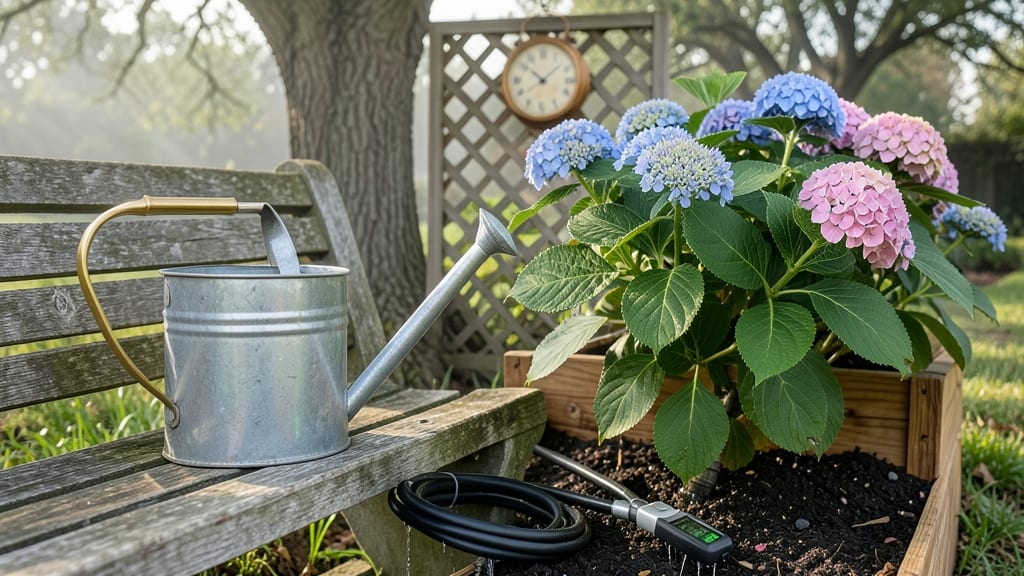
Watering your garden in the morning or evening makes a surprising difference in plant health, water waste, and even pest control—so which is best for your General Garden Plants 🌱?
If you’ve ever watered at dusk only to wake up to wilting leaves—or splashed out in the heat and watched the water vanish—you’re not alone. The truth is, neither time is universally "right."
Science shows that evaporation, fungal risks, and even your local climate all play a role in the ideal schedule.
Morning watering reduces fungal diseases by letting foliage dry quickly, while evening sessions can cut down on evaporation in hot, dry areas. But there’s more to it than just the clock: soil type, plant variety, and even your region’s humidity levels shift the balance.
Below, I’ll break down the pros and cons of each approach—and when to bend the rules for zero-waste results.
You’ll learn how to read your plants’ signals, adjust for spring planting in Zone 6a, and avoid common pitfalls that waste water and stress your General Garden Plants. Ready to water smarter?
Morning vs. evening watering: how climate and plant type decide the winner
Deciding whether to water your garden in the morning or evening isn’t just about convenience—it’s a science-backed choice that impacts plant health, water efficiency, and even pest control.
Studies show that evaporation rates can differ by up to 30% depending on timing, while fungal risks spike when leaves stay wet overnight. Let’s break down how your local climate and plant types should guide your watering schedule.
In arid climates, like those in the Southwest U.S., morning watering is a non-negotiable for most plants. The cool temperatures and low humidity mean water evaporates faster in the heat, wasting up to 50% of your H₂O if you wait until evening.
Meanwhile, humid regions, such as the Southeast, often see better results with evening watering because the air retains moisture longer, reducing stress on tropical plants like hibiscus or ginger.
Your plant type also plays a critical role. Vegetables, like tomatoes and peppers, thrive with morning hydration because it keeps them disease-free and root-active during the day’s growth peak.
On the other hand, flowers, such as roses or petunias, often benefit from evening watering to prevent sunburn on delicate petals from droplets acting like magnifying glasses.
⚠️ CRITICAL WARNING: Never water at midday—the intense sunlight can scorch leaves, and water pressure from sprinklers may damage stems. Timing isn’t just about when; it’s about how your garden’s microclimate interacts with your plants’ needs.
| Factor | Morning Watering (6-10 AM) | Evening Watering (6-8 PM) |
|---|---|---|
| Evaporation Loss | Low (cooler temps) | High (warmer soil) |
| Fungal Risk | Low (leaves dry quickly) | High (wet foliage overnight) |
| Best For | Vegetables, herbs, arid climates | Flowers, humid climates, lawns |
| Water Efficiency | ⭐⭐⭐⭐⭐ (90% retained) | ⭐⭐ (50% retained) |
| Pest Control | Reduces slugs/snails | Attracts pests overnight |
💧 Pro Tip: Use a rain gauge to track your garden’s actual water needs—timing alone won’t fix over/under-watering.
For container gardens, morning watering is almost always the winner. Pots heat up quickly, and shallow roots dry out faster than in-ground plants.
A quick check with your finger—if the top 1 inch of soil feels dry, it’s time to water, ideally before 8 AM. Succulents and cacti are the exception; they store water and prefer evening hydration to avoid sunburn from excess moisture.
If you’re in a transition zone, like the Midwest, split your watering: deep water in the morning for roots and a light evening mist for ornamental plants. This hybrid approach mimics natural rainfall patterns and reduces soil erosion.
Just avoid automatic sprinklers after dark—they can waste 30% more water due to wind drift and evaporation.
Don’t overlook the seasonal shift. In summer, morning watering is a must, but in fall, as temperatures drop, evening watering becomes safer. The key is observing your garden’s response: wilting by noon?
You’re likely underwatering. Yellow leaves or mold? You’re watering at the wrong time. Adjust based on real-time feedback, not just rules.
For zero-waste gardening, pair your watering time with mulching. A 3-inch layer of mulch retains moisture for up to 24 hours longer, giving you flexibility in timing.
Use straw or wood chips for veggies and gravel for succulents to maximize efficiency. Even a 5-minute daily check of your soil’s moisture level can save gallons of water yearly.
Remember, there’s no one-size-fits-all answer. Your local weather, soil type, and even your garden’s layout (shady vs. sunny spots) influence the best time. Start with morning watering as your default, then tweak based on what your plants tell you.
After all, your garden’s health is the ultimate water clock. 🌱
5 Signs your watering schedule is harming (not helping) your garden
Your garden might be telling you it’s time to adjust your watering habits. Yellowing leaves or mushy stems aren’t always about overwatering—they could signal you’re watering at the wrong time. Even healthy-looking plants might be stressed if their roots stay soggy overnight or dry out too quickly from midday sun.
I’ve seen gardeners pour gallons of water into their soil, only to watch their plants struggle with fungal diseases or pest infestations like slugs. The culprit?
Timing. Watering at the wrong hour can turn your green thumb into a wasteful habit that drains resources and harms plant health. Let’s fix that.
- 🌱 1. Yellowing leaves appear overnight
- 🍄 2. White powdery mold forms on foliage
- 🐌 3. Slug trails multiply after watering
- 💧 4. Soil stays soggy for days after watering
- 🌡️ 5. Plants wilt by midday despite "regular" watering
Each sign points to a timing mistake—fix these to save water and boost plant health.
If your tomatoes or peppers develop powdery mildew after evening watering, you’re creating the perfect humid environment for fungi to thrive. Wet leaves overnight trap moisture, inviting diseases like blight or rust. The fix? Water in the morning so foliage dries quickly under sunlight.
Ever notice slugs or snails feasting after your watering session? That’s because evening water creates a damp playground for them. These pests thrive in moist conditions, and their trails on your hostas or lettuce are a clear sign your schedule needs an overhaul.
Try watering in the early morning—pests will have less time to take advantage.
For drought-prone areas, watering at noon might seem logical, but the sun evaporates water before it reaches the roots. This leads to shallow root systems and plants that wilt by afternoon. Instead, water before 10 AM or after sunset to maximize absorption and minimize waste.
Don’t let your watering habits become a hidden expense. Overwatering at the wrong time wastes gallons and stresses plants. Adjust your schedule, and you’ll see healthier soil, fewer pests, and stronger plants—all while saving water. Your garden (and wallet) will thank you.