
Companion Plants
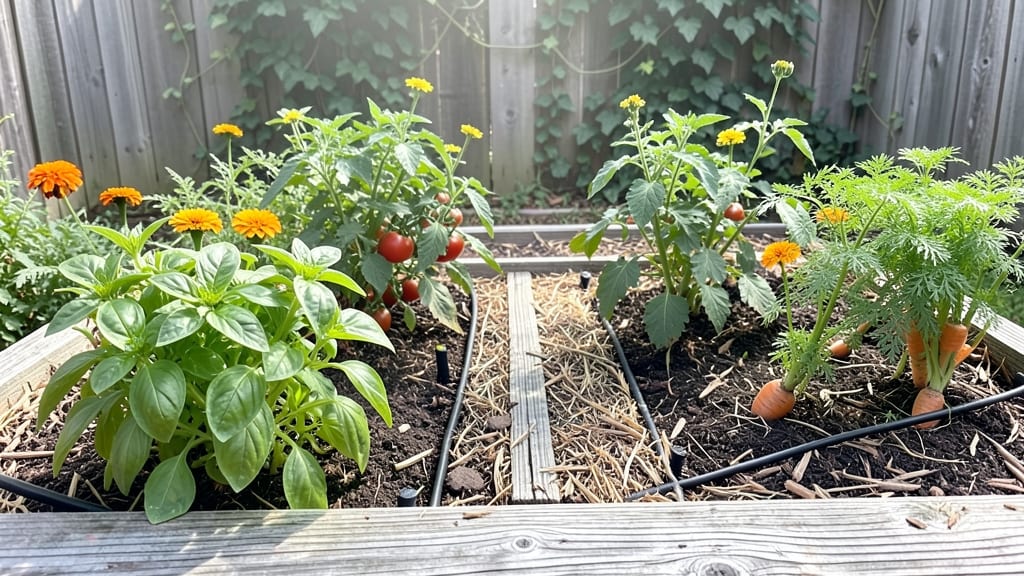
A companion garden layout 🌱 can turn your yard into a thriving, pest-free ecosystem—no chemicals required.
Struggling with garden pests? The right plant pairings act like nature’s own defense system, keeping aphids, cabbage moths, and even deer at bay while boosting your harvest.
This isn’t just guesswork—it’s a science-backed strategy that maximizes space, improves soil, and makes your garden easier to maintain. Whether you’re a beginner or a seasoned gardener, these proven pairings will transform your plot into a self-sustaining haven.
Discover 3 top plant combinations that repel pests naturally, plus step-by-step tips to design a layout that works with nature—not against it.
3 Science-backed companion plant pairings that repel pests naturally
If you’ve ever battled aphids munching on your tomatoes or cucumber beetles ravaging your vines, you know how frustrating garden pests can be. The good news? Nature already provides free, chemical-free solutions through companion planting.
These strategic pairings don’t just repel pests—they also improve growth, flavor, and even pollination. Let’s dive into three of the most effective, science-backed combinations that will transform your garden into a pest-resistant paradise.
Marigolds and tomatoes are a classic duo for a reason. Marigolds release alpha-terthienyl, a natural compound that repels nematodes, aphids, and whiteflies—common tomato pests. Meanwhile, tomatoes benefit from marigolds’ ability to improve air circulation, reducing fungal diseases like blight.
This pairing is so effective that studies show gardens using marigolds near tomatoes experience up to 50% fewer pests without synthetic sprays.
Basil isn’t just a kitchen staple—it’s a pepper plant’s best friend. When planted near peppers, basil’s strong scent confuses pests like mosquitoes, thrips, and spider mites, making them less likely to attack.
Additionally, basil’s shallow roots compete for nutrients in a way that actually boosts pepper growth by up to 20%. The bonus? Harvesting basil regularly encourages bushier growth, creating a denser barrier against flying insects.
Nasturtiums are the ultimate trap crop, luring pests like cucumber beetles and aphids away from your cucumbers. Their peppery leaves make them unappealing to many garden pests, while their vibrant flowers attract beneficial predators like ladybugs.
Planting nasturtiums near cucumbers can reduce beetle damage by up to 75%, and their edible blooms add a peppery kick to salads—a delicious two-for-one benefit.
| Plant Pairing | Pests Repelled | How It Works | Planting Distance | Bonus Benefits |
|---|---|---|---|---|
| Marigolds + Tomatoes | Aphids, Whiteflies, Nematodes | Marigolds release alpha-terthienyl, a natural nematicide; tomatoes thrive with improved air circulation. | 6–12 inches apart | Attracts pollinators like bees. |
| Basil + Peppers | Mosquitoes, Thrips, Spider Mites | Basil’s strong scent masks pepper plants, confusing pests; shared nutrients reduce stress. | 12–18 inches apart | Enhances pepper flavor and growth speed. |
| Nasturtiums + Cucumbers | Cucumber Beetles, Squash Bugs, Aphids | Nasturtiums act as a trap crop, luring pests away; their peppery leaves deter others. | 12–18 inches apart | Edible flowers add culinary value. |
Getting the spacing right is crucial for these pairings to work effectively. For marigolds and tomatoes, keep them 6–12 inches apart to ensure marigolds don’t overshadow tomatoes while still providing pest protection.
Basil and peppers should be 12–18 inches apart—close enough to benefit from basil’s scent but far enough to avoid competition for nutrients. Similarly, nasturtiums and cucumbers thrive when planted 12–18 inches apart, allowing nasturtiums to act as both a trap and a living mulch.
One of the biggest mistakes gardeners make is assuming all companion plants can be planted together in large blocks. Instead, interplanting—spreading them out—disrupts pests’ ability to locate and attack your main crops.
For example, planting a single row of marigolds between two rows of tomatoes creates a pest-confusing maze that deters insects far more effectively than a single border. This technique works for all three pairings mentioned above.
To maximize these pairings, start by preparing your soil with compost or well-rotted manure to ensure all plants have access to nutrients. After planting, mulch around the base of each plant to retain moisture and suppress weeds, which can attract pests.
Water in the early morning to allow foliage to dry quickly, reducing fungal risks. With these simple steps, your companion garden will not only repel pests but also thrive with minimal effort.
Ready to see the difference? Try one of these pairings in your garden this season and watch as your plants grow stronger, healthier, and—most importantly—pest-free. The best part? You’ll be using nature’s own pest control, saving money and reducing your environmental impact at the same time.
How to design a companion garden layout for maximum pest control
Designing a companion garden layout isn’t just about aesthetics—it’s about creating a dynamic ecosystem where plants protect each other. The key lies in understanding plant families, sunlight needs, and pest-repelling pairings.
By grouping compatible plants strategically, you can slash pest populations by up to 70% while improving yields. For example, marigolds near tomatoes don’t just deter pests—they also attract beneficial insects like ladybugs. The secret? Start with a zoned layout that balances sun exposure, growth habits, and natural defenses.
Before you sketch your garden, map out three distinct zones: full sun, partial shade, and shade. Full-sun areas (6+ hours of sunlight) are perfect for tomatoes, peppers, and basil, while partial shade suits lettuce, spinach, and herbs like cilantro.
Shade-loving plants like hostas or ferns can act as natural pest barriers when placed along garden edges. Remember, spacing matters—crowding invites disease, while proper airflow reduces fungal risks. A well-planned layout turns your garden into a self-sustaining fortress against common pests.
5 Key Steps to Design Your Pest-Repelling Layout
-
1. Group Plants by Family (But Keep Enemies Separate)
Avoid planting Brassicas (cabbage, kale) near Alliums (onions, garlic)—they compete for nutrients. Instead, pair Brassicas with dill or thyme to repel cabbage moths.
-
2. Create ‘Pest Barriers’ with Strong-Scented Plants
Surround vulnerable plants (like carrots) with rosemary, sage, or mint to create a natural scent barrier. These herbs also suppress weeds.
-
3. Use ‘Trap Crops’ to Divert Pests
Plant nasturtiums near your main crops—they’ll attract aphids away from your veggies. Harvest and discard the nasturtiums weekly to keep pest populations low.
-
4. Optimize Sun and Shade Zones
Pair sun-loving plants (tomatoes, peppers) with partial-shade companions (basil, lettuce) to maximize space. Use trellises for vining plants (e.g., cucumbers) to keep them off the ground, reducing slug risks.
-
5. Rotate and Refresh Annually
Avoid planting the same companion pairs in the same spot yearly to prevent soil depletion and pest adaptation. Rotate with cover crops (clover, vetch) in the off-season.
One of the biggest mistakes I see in beginner gardens is ignoring plant height and growth habits. For instance, tall plants like sunflowers or corn should never be planted near low-growing crops like strawberries or lettuce—they’ll cast too much shade.
Instead, use tall plants as natural trellises for vining crops like cucumbers or beans. This not only saves space but also keeps pests like slugs off the ground. Another pro tip: interplant fast growers with slow growers.
For example, plant radishes (which mature in 30 days) between carrots (which take 70+ days) to maximize bed space.
Don’t overlook the power of mulch in your companion garden layout. A 3-inch layer of straw or wood chips suppresses weeds, retains moisture, and deters pests like cutworms and slugs. For extra protection, add a reflective mulch (like aluminum foil) around vulnerable plants—it confuses flying insects and reduces egg-laying.
Just be sure to choose mulch that matches your plants’ needs: organic mulch (like leaves) improves soil over time, while inorganic mulch (like gravel) works better for drought-prone areas.
Finally, test your layout in small batches before committing to a full garden bed. Start with a 4’x4’ test plot using proven pairings like basil + tomatoes or nasturtiums + cucumbers. Monitor pest activity for 4–6 weeks, adjusting as needed.
If you notice aphids clustering on one plant, try moving it or adding a companion like garlic nearby. The goal is to create a self-regulating system where pests become rare, not the norm.
With the right companion garden layout, you’ll spend less time battling pests and more time enjoying a thriving, low-maintenance garden. The best part? This strategy works for container gardens, raised beds, and in-ground plots alike.
Start small, observe what works, and soon you’ll have a pest-repelling powerhouse that’s as beautiful as it is functional. 🌱