
Fertilization
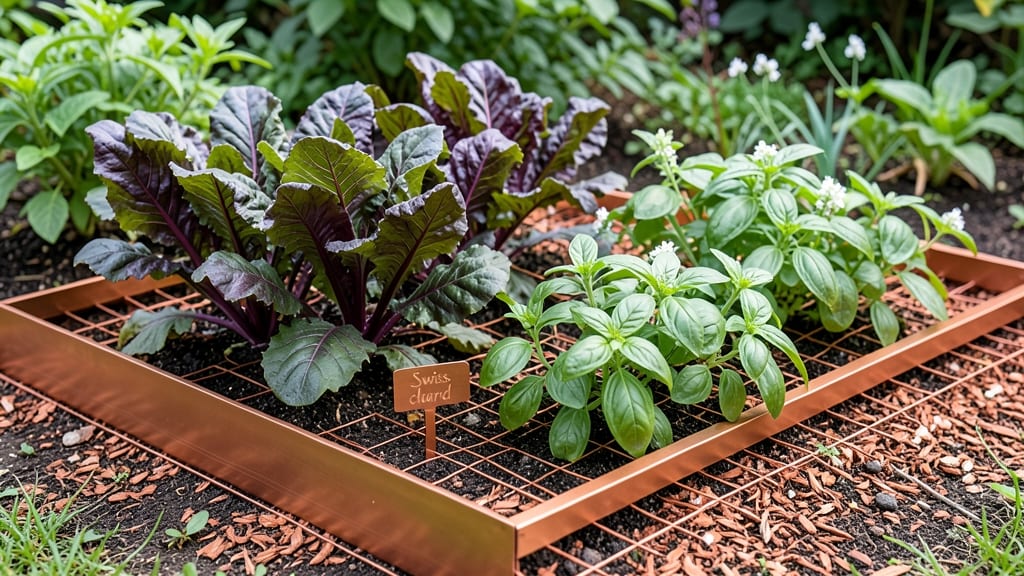
Using copper in garden beds strengthens soil health by combating fungal pathogens, boosting nutrient absorption, and fostering beneficial microbial life—but overapplication can damage plants and disrupt soil balance. Stick to organic sources like copper peptides or composted green matter, and apply them cautiously.
Copper works as a natural fungicide by interfering with the cell membranes of harmful microbes, which prevents common garden problems like powdery mildew and root rot. 🌱 The mineral also acts as a micronutrient, helping plants convert sunlight into energy more efficiently.
However, too much copper can become toxic, especially to earthworms and other soil organisms that keep your garden thriving. For a safer approach, consider using composted plant material or fish emulsion, which provide trace copper naturally without the risk of buildup.
When applying copper amendments, start with 1 pound per 100 square feet and monitor plant responses. Organic options like copper peptides or seaweed extracts release the mineral gradually, reducing the chance of overloading your soil.
Always test your soil's pH first—acidic conditions make copper more available to plants, while alkaline soils can lock it away, making it less effective.
💡 In This Article
- How Copper Fights Fungal Diseases in Soil
- Safe Copper Application Methods for Garden Soil
How copper fights fungal diseases in soil
Copper disrupts fungal growth by targeting the cell membranes of pathogens like Phytophthora (which causes root rot) and Erysiphe (powdery mildew). When applied as copper sulfate or other soluble forms, the copper ions bind to fungal cell walls, creating pores that allow essential nutrients to leak out.
This process, called osmotic imbalance, starves the fungus of the energy it needs to reproduce. Studies show copper can reduce fungal spores by up to 90% when applied preventatively, making it one of the most effective natural fungicides for garden soils.
The mechanism works best in moist conditions—copper ions dissolve more readily in water, allowing them to penetrate soil pores and reach fungal hyphae (thread-like structures). However, copper doesn't just attack pathogens; it also interacts with beneficial microbes.
At optimal levels (20-50 parts per million in soil), copper stimulates actinobacteria and mycorrhizal fungi, which help plants absorb nutrients like phosphorus. The key is balance: too little copper leaves your garden vulnerable to disease, while too much can kill off these helpful microbes and disrupt soil ecosystems.
Organic copper sources, like copper peptides derived from algae or seaweed, release the mineral slowly, reducing toxicity risks. These forms provide a steady supply without the harsh chemical spike of synthetic copper sulfate.
For example, a 1% copper peptide solution applied as a foliar spray can prevent early blight in tomatoes without harming earthworms or other soil organisms. The organic matter in compost also binds excess copper, preventing buildup over time.
Inorganic copper, like copper sulfate, works faster but requires careful handling. A 1 teaspoon per gallon of water solution can treat fungal infections, but it must be applied before symptoms appear for maximum effectiveness. The downside?
Copper sulfate can acidify soil over time, which may require lime amendments to restore pH balance. Always follow label instructions—overapplication can lead to copper toxicity in plants, causing yellowing leaves and stunted growth.
Seasonal timing matters too. Early spring applications help protect young plants from fungal spores overwintering in soil, while late summer treatments can prevent fall infections. For instance, applying copper amendments in May (when soil temperatures reach 50°F) creates a protective barrier against early blight in tomatoes.
Pair copper treatments with compost tea or neem oil for a two-pronged defense against fungal diseases.
To test if copper is working, observe plant leaves for dark green color and fewer white powdery spots (a sign of mildew). Healthy roots also indicate balanced copper levels—if roots appear black or mushy, it’s a sign of overapplication.
Use a soil test kit to monitor copper levels, aiming for 0.1-0.5 ppm in most garden soils. This range supports fungal control without harming beneficial microbes.
For a natural alternative, mix 1 cup of composted oak leaves (which contain trace copper) into 10 gallons of soil. This method releases copper gradually while improving soil structure. The trade-off? It’s less potent than synthetic copper but safer for long-term soil health. 🌿