
Tools
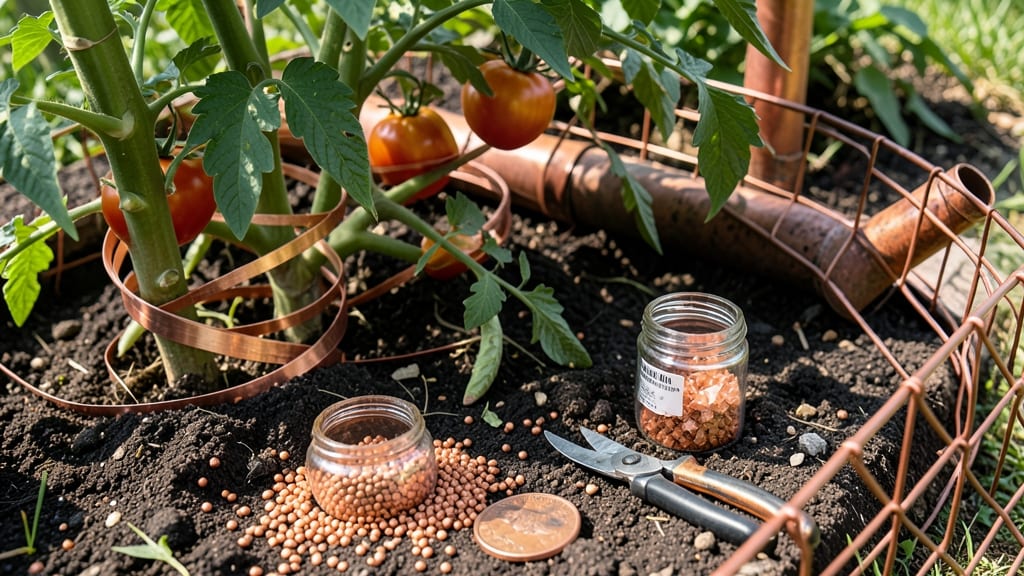
Using copper in the garden protects plants from fungal infections and pests like slugs and snails. This mineral disrupts harmful organisms while supporting healthier soil ecosystems, with options ranging from copper tape to organic sprays like copper sulfate.
Using copper in the garden works as a natural fungicide by interfering with the cellular processes of pathogens like late blight and powdery mildew, which thrive in damp conditions. 🌱 Unlike chemical fungicides, copper remains effective even after rain and breaks down safely in the soil over time.
I've seen dramatic improvements in tomato and potato crops when using copper-based treatments—especially in humid climates where fungal spores spread rapidly. The key is consistency: applying copper preventatively (before symptoms appear) gives your plants the best defense.
For pest control, copper creates an invisible barrier that slugs and snails avoid. Copper tape wrapped around raised beds or containers works well, while granules scattered around vulnerable plants provide long-term protection.
Just remember to reapply after heavy rain or every few weeks for maximum effectiveness. Always follow product guidelines to prevent overapplication, which could harm beneficial soil microbes.
💡 In This Article
- How Copper Fights Fungal Diseases in Soil
- Best Copper Garden Products for Pest Control
How copper fights fungal diseases in soil
Copper works as a natural fungicide by disrupting the cellular membranes of fungal pathogens. When applied to soil or plant surfaces, copper ions (Cu²⁺) interfere with the enzymes and proteins that fungi need to survive.
This creates tiny holes in the cell walls, causing the fungal cells to leak essential nutrients and die. 🌱 The effect is particularly powerful against Phytophthora infestans (late blight) and Alternaria solani (early blight), which are notorious for devastating tomato and potato crops.
Unlike synthetic fungicides, copper doesn't build up in the soil—it gradually breaks down into harmless copper compounds over time.
The most effective copper compounds for disease prevention are copper sulfate (CuSO₄) and copper hydroxide (Cu(OH)₂). These are often sold as liquid sprays or wettable powders. For example, a 1% copper sulfate solution (10 grams per liter of water) can be sprayed on plant foliage before signs of disease appear.
The key is timing: apply copper treatments in the evening or early morning to prevent leaf burn from UV exposure. Organic gardeners prefer copper hydroxide because it's less corrosive to tools and equipment compared to copper sulfate.
What makes copper so trusted in organic gardening is its broad-spectrum effectiveness. It doesn't just target specific fungal strains—it creates an inhospitable environment for spores trying to germinate. Studies show that copper-treated plants have up to 70% fewer disease outbreaks compared to untreated plants in high-risk conditions.
The mineral also helps prevent bacterial leaf spot and fire blight, making it a versatile tool for any organic grower. 💛 However, it's crucial to rotate copper applications with other organic treatments to avoid resistance buildup in fungal populations.
One common misconception is that copper only works on the surface. In reality, when applied to soil, copper ions move through the root zone, creating a protective barrier against soil-borne pathogens like Fusarium and Verticillium wilt.
The concentration needed is typically 2-4 pounds of copper per acre for soil applications, though home gardeners can use granules at rates of 1-2 ounces per 100 square feet. Always water the area after application to help distribute the copper evenly through the soil profile.
For maximum effectiveness, combine copper treatments with good garden hygiene. Remove infected plant debris immediately and practice crop rotation to break fungal life cycles. I've found that pairing copper sprays with neem oil or baking soda solutions creates a synergistic effect, especially against powdery mildew.
The copper handles the fungal cells while the other treatments provide additional protective layers. 🌿 Always test copper products on a small plant area first to check for sensitivity—some varieties like eggplant and pepper can be particularly sensitive to copper applications.