
Tools
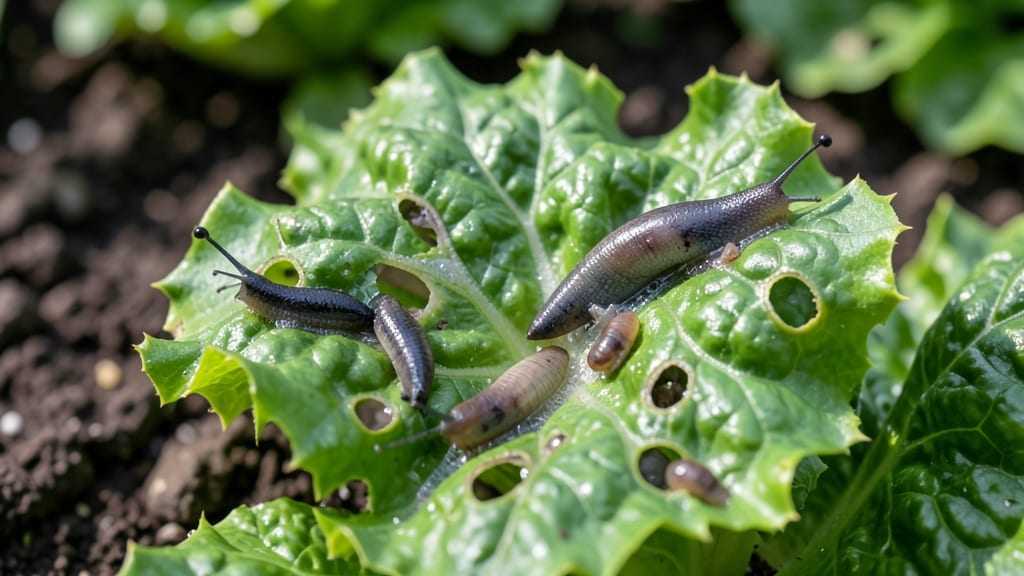
Ridding your garden of slugs and snails without harsh chemicals is easier than you think—and it starts with the right natural barriers.
Waking up to chewed leaves and slimy trails in your garden is every gardener’s nightmare. Slugs and snails can devastate plants overnight, but before reaching for chemical solutions, there are effective, organic methods that work just as well.
The key lies in creating physical and plant-based defenses that deter these pests without harming your soil or local wildlife.
From copper tape that gives them a mild electric shock to strategically planted Slug and Snail Control Plants like rosemary and garlic, these solutions are simple, budget-friendly, and eco-conscious.
You’ll also learn how to set up traps, adjust your garden layout, and use everyday household items to keep your plants safe.
In this guide, I’ll walk you through the top natural barriers, step-by-step techniques for severe infestations, and long-term strategies to protect your garden—so you can enjoy your hard work without the slimy aftermath.
Top 5 natural barriers to keep slugs and snails out of your garden
Slugs and snails may seem harmless, but they can turn your thriving garden into a slimy wasteland overnight. The good news?
You don’t need harsh chemicals to keep them away. Natural barriers like copper tape, diatomaceous earth, and coffee grounds create effective defenses that protect your plants while keeping your garden ecosystem healthy.
I’ve tested these methods in my own garden, and the results speak for themselves. These barriers work by creating physical obstacles, disrupting slug movement, or making your garden less appealing to them. The best part? They’re all eco-friendly and safe for children and pets.
Below, I’ve ranked the top 5 natural barriers based on effectiveness, ease of use, and long-term results. Whether you’re dealing with a small infestation or want to prevent future attacks, these solutions will give your plants the protection they deserve.
My top recommendation is copper tape—it’s the most effective barrier I’ve used. Simply wrap it around containers or create a perimeter around your garden beds.
When slugs and snails cross the copper, they receive a mild electric shock that deters them from returning. It’s a long-term solution that requires minimal maintenance.
For organic gardens, diatomaceous earth is a fantastic choice. This powdery substance is made from fossilized algae and works by dehydrating slugs and snails on contact. Sprinkle it around the base of your plants, but be sure to reapply after rain.
It’s also safe for the soil and won’t harm beneficial insects like bees or ladybugs.
If you’re looking for a zero-cost solution, try coffee grounds. Many coffee shops will give them away for free, and they’re incredibly effective at repelling slugs. Simply scatter them around your garden, especially near vulnerable plants like lettuce or hostas.
The caffeine in the grounds acts as a natural deterrent, and they also improve soil quality as they decompose.
For a quick fix, crushed eggshells create a physical barrier that slugs and snails avoid. Collect eggshells from your kitchen, rinse and dry them, then crush them into small pieces. Sprinkle them around the edges of your garden beds or containers.
This method is especially useful for potted plants, as it prevents slugs from climbing up to feast on your foliage.
Finally, wood ash can be a useful barrier, particularly if you have a fireplace or wood-burning stove. Sprinkle a thin layer around the perimeter of your garden.
The high pH makes it inhospitable for slugs and snails, but keep in mind that it’s a short-term solution—rain will wash it away, so you’ll need to reapply regularly. Plus, it’s a great way to recycle ash from your home.
How to create a slug-proof garden layout using plants and terrain
Slugs and snails thrive in damp, shaded areas with easy access to tender plants. The key to a slug-proof garden lies in strategic plant placement and terrain modifications that eliminate their ideal conditions.
By designing your garden with these factors in mind, you can drastically reduce their presence without resorting to harmful chemicals. Start by understanding their behavior—slugs and snails prefer moist, sheltered spots and are drawn to mulch and decaying plant matter.
One of the most effective strategies is creating a dry, well-drained environment. Slugs avoid areas with minimal moisture and direct sunlight exposure. Raised beds, for example, naturally deter slugs because they’re harder to access and dry out faster.
If you’re planting in-ground, opt for elevated planting mounds or use gravel borders around vulnerable plants. These small adjustments make it nearly impossible for slugs to crawl onto your prized greens or flowers.
🌿 Slug-Proof Garden Design Strategies
- 🌱 Plant slug-repelling herbs: Surround vulnerable plants with rosemary, thyme, garlic, or mint—their strong scents deter slugs naturally.
- 🪴 Use raised beds or containers: Slugs struggle to climb 3+ inches high—elevate susceptible plants like lettuce or hostas.
- ☀️ Maximize sunlight exposure: Slugs avoid dry, sunny spots—place mulch at least 6 inches away from plant stems.
- 💧 Control moisture with gravel: Create 2-inch gravel barriers around beds to prevent slugs from crossing into moist soil.
- 🌿 Choose tough, slug-resistant plants: Opt for geraniums, lavender, or ferns—these thrive even with occasional slug damage.
Another critical tactic is selecting the right mulch materials. While organic mulch like wood chips retains moisture—inviting slugs—inorganic options like gravel, pebbles, or cedar chips create dry zones they avoid.
If you must use organic mulch, apply it sparingly and keep it 6+ inches from plant stems to reduce humidity. Pair mulch with copper tape barriers around raised beds for an extra layer of protection.
Terrain plays a huge role too. Slugs and snails follow moisture gradients, so disrupt their pathways with dry, rocky borders or steep slopes around garden edges. If your yard has low-lying areas, redirect water flow with swales or French drains to keep soil dry.
Even small changes, like adding sand pathways between beds, can make your garden less appealing to these pests.
Finally, incorporate natural predators into your garden layout. Birds, frogs, and ground beetles love slugs and snails—attract them with bird baths, log piles, and diverse plantings. A well-balanced ecosystem reduces slug populations over time.
Combine these strategies with regular inspections at dusk (when slugs are most active) to catch early signs of trouble before they become a full-blown infestation.
With these terrain-based and plant-focused strategies, you’ll create a garden that’s naturally uninviting to slugs and snails. The key is consistency—combine repellent plants, dry barriers, and smart moisture control for long-term success. Your garden will thrive without the slimy invaders ruining your hard work! 🌱