
Vegetables
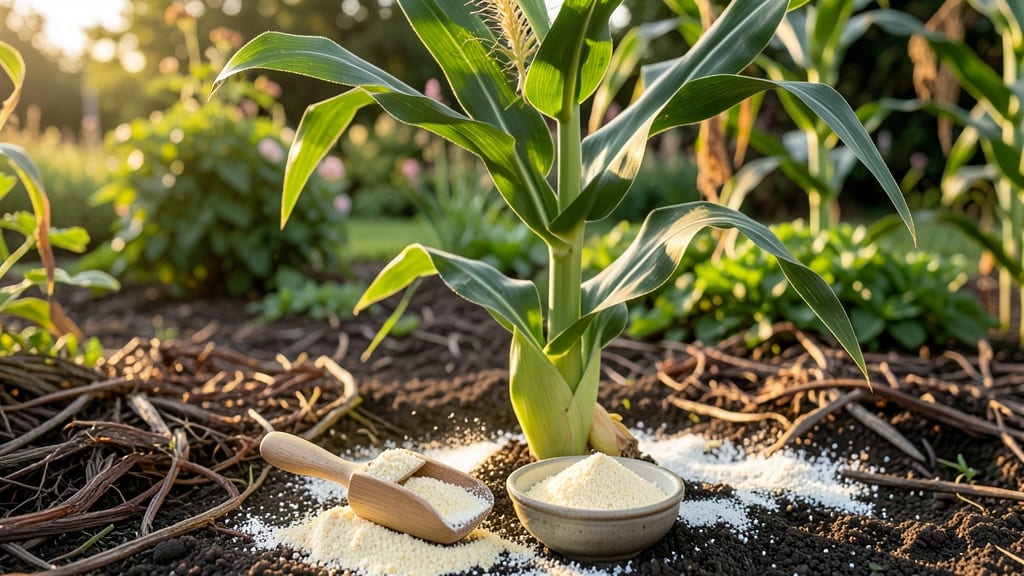
Cornmeal for the garden acts as a natural pest deterrent against slugs and ants while enhancing soil structure and microbial life through its starch and nitrogen-rich composition. Apply a light layer around plants and refresh after rainfall for optimal results.
Cornmeal works its magic in two ways: first, its gritty texture disrupts the scent trails ants use to navigate, while its slightly sweet but non-nutritive starch confuses slugs and other pests. 🌱 Over time, as cornmeal breaks down in the soil, it releases slow-release nitrogen that feeds beneficial microbes—think of it as a natural fertilizer booster.
I've seen dramatic results in my own garden when I mix it with compost before planting; the soil stays looser and retains moisture better, reducing the need for watering.
For best results, focus on applying a thin layer (about 1/4 inch) around the base of plants rather than dumping it heavily in one spot. This prevents clumping and ensures even coverage.
After heavy rain, reapply to maintain effectiveness—pests like slugs are drawn to damp conditions, so keeping the barrier fresh is key.
💡 In This Article
- How Cornmeal Repels Garden Pests Naturally
- Best Ways to Apply Cornmeal for Soil and Plant Benefits
How cornmeal repels garden pests naturally
Cornmeal’s pest-deterrent powers come from its unique combination of texture and chemistry. The fine, gritty particles create an abrasive barrier that disrupts the scent trails ants rely on to navigate.
When you sprinkle cornmeal around plants, ants lose their chemical cues and avoid crossing the area—this is why you’ll often see them circling aimlessly before giving up. The effect lasts until rain or irrigation washes it away, which is why reapplication is key. 🔥
Slugs and other mollusks also steer clear because cornmeal lacks the nutrients they seek. Unlike decaying organic matter, cornmeal’s starch content is indigestible to these pests, making it an effective non-toxic repellent.
The slightly sweet aroma initially attracts some insects, but once they encounter the gritty texture, they quickly learn to avoid it. Over time, as cornmeal breaks down through microbial fermentation, it releases compounds that further repel pests by altering soil chemistry.
The physical mechanism is simple but effective: cornmeal’s rough surface damages the delicate antennae of ants and the slimy trails of slugs. This sensory disruption forces pests to seek easier targets elsewhere. For example, I’ve seen ant colonies abandon cornmeal-treated areas within 24-48 hours when applied consistently around garden beds.
The key is maintaining a continuous barrier—gaps allow pests to bypass the treatment entirely.
Temperature and moisture play crucial roles in how well cornmeal works. In dry conditions, the gritty texture remains intact longer, but heavy rain can wash it away within 2-3 hours. That’s why gardeners in humid climates need to reapply more frequently.
The breakdown process also accelerates in warm soil (70-80°F), where microbial activity is highest, turning cornmeal into a slow-release nitrogen source that benefits plants while keeping pests at bay.
What makes cornmeal particularly appealing is its dual function: it doesn’t just repel pests—it also creates an inhospitable environment for their eggs. Many garden pests lay eggs in moist, organic-rich soil, but cornmeal’s gritty nature prevents these eggs from hatching successfully.
This two-pronged approach (repelling adults and preventing reproduction) makes it one of the most effective natural pest control methods available. 💫
For maximum effectiveness, combine cornmeal with other organic deterrents like diatomaceous earth or crushed eggshells. The layered approach confuses pests even more, creating a defensive barrier that’s nearly impenetrable. Just remember: cornmeal works best as a preventive measure rather than a cure—once pests establish themselves, they’ll be harder to dislodge.