
Advice
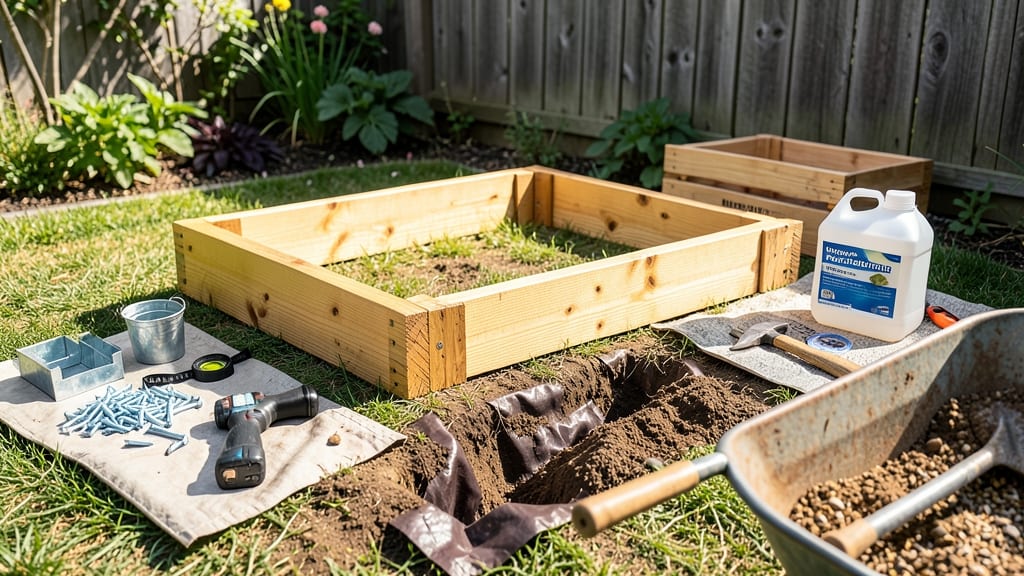
Making a raised garden bed typically costs between $100 and $1,200+, with prices varying by size (like 4'x8' vs 8'x12'), materials (cedar, redwood, or composite lumber), and whether you build it yourself or hire help. Basic wood beds run $50–$200, while custom or high-end designs can easily exceed $1,000.
Your budget will shift dramatically based on whether you're using cedar planks (which resist rot but cost more) or pressure-treated lumber (cheaper but less eco-friendly). 🌱 For example, a 4'x8' bed made from cedar runs about $200–$400, while the same size in composite lumber can jump to $600–$800.
Don't forget to factor in soil—quality garden mix costs $20–$50 per cubic foot, and a full bed may need 3–4 cubic feet.
If you're handy, building it yourself saves hundreds, but if you're short on time or dealing with heavy materials, hiring pros (who charge $40–$100/hour) might actually save you stress in the long run.
What's interesting is how quickly costs add up with premium materials. A redwood bed, for instance, might cost 30–50% more than cedar but lasts decades longer.
I've seen people splurge on corner brackets ($5–$15 each) to avoid warping, which pays off if you want the bed to stay perfectly square for years. The key is balancing upfront costs with long-term durability—especially if you plan to use the bed for heavy plants like tomatoes or squash.
💡 In This Article
- Material Cost Breakdown for DIY Raised Beds
- DIY vs Professional Installation: Cost and Time Tradeoffs
Material cost breakdown for DIY raised beds
The foundation of your raised bed costs starts with lumber, where material choice dramatically impacts both price and durability. Cedar planks, a popular option, typically run $3–$6 per linear foot due to their natural rot resistance and pleasant aroma.
For a standard 4'x8' bed with 6-inch-high walls, you'd need about 24 linear feet of 2x6 cedar, totaling roughly $72–$144 just for the wood. Pressure-treated lumber, on the other hand, costs $1–$3 per linear foot but may contain chemicals that leach over time, potentially affecting soil quality.
Hardware adds another layer of expense that’s easy to overlook. Corner brackets (essential for stability) range from $5–$15 each, and you’ll need 4–8 depending on your design.
Galvanized screws ($0.20–$0.50 each) are cheaper than decking screws ($0.50–$1 each), but the latter prevents rusting in wet climates. For a 4'x8' bed, budget $20–$50 for hardware alone.
Soil isn’t cheap either: Quality garden mix costs $20–$50 per cubic foot, and a full bed may require 3–4 cubic feet—adding $60–$200 to your total.
Here’s where size becomes a game-changer. A 4'x4' bed might cost $150–$300 total (lumber + hardware + soil), while an 8'x12' bed could exceed $600–$1,200 for the same materials. The bigger the bed, the more you save per square foot—think of it like buying in bulk.
For example, cedar costs $1.50–$3 per square foot for a 4'x8' bed but drops to $0.75–$1.50 per square foot for an 8'x12' bed. This economies-of-scale effect makes larger beds surprisingly cost-effective for serious gardeners.
Don’t underestimate the hidden costs either. Weed barriers (landscape fabric) add $10–$30, and drainage solutions (gravel or perforated pipes) can run another $20–$50. If you’re using composite lumber (like Trex), expect to pay 2–3x more than cedar, but with the perk of zero maintenance.
I’ve seen composite beds last 20+ years without warping, while cedar may need replacement in 10–15 years if exposed to harsh weather. The tradeoff? Composite beds cost $600–$1,200 for a 4'x8', but they eliminate the hassle of staining or sealing wood.
Pro tip: Buy lumber in early spring when prices dip, and check for "seconds" or discounted planks with minor imperfections. These can save 20–30% without sacrificing structural integrity. Just avoid wood with deep cracks or rot—those flaws compromise your bed’s lifespan.
For soil, mix your own blend of topsoil, compost, and perlite to cut costs by 40% compared to pre-mixed bags. The right mix pays off in healthier plants and fewer weeds.
Finally, consider the long-term ROI. A well-built cedar bed might cost $300 upfront but save you $50–$100/year in soil replacements and maintenance. Pressure-treated lumber saves $100–$200 initially but may require soil testing for chemical safety.
Weigh these factors against your gardening goals—are you growing vegetables for years, or is this a temporary project? The answer dictates whether to splurge on durability or prioritize upfront savings.