
Advice
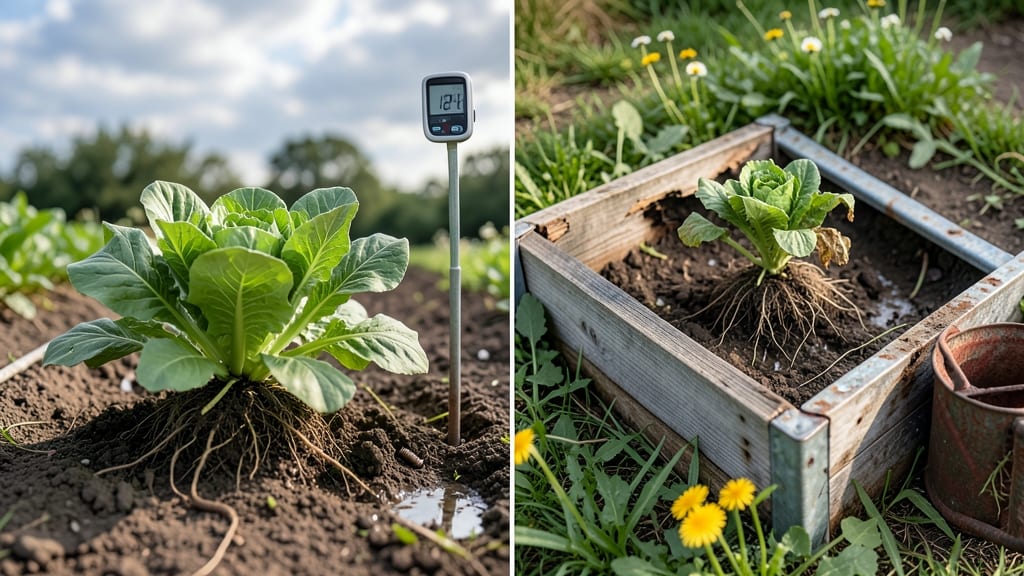
The disadvantages of raised bed gardening include higher upfront costs for materials, increased soil drying that requires more frequent watering, and drainage challenges if not properly constructed. Space limitations may also hinder root growth for larger plants, while ongoing maintenance like weeding and border upkeep can become more time-consuming.
While raised beds offer excellent control over soil quality and reduced weed pressure, their confined structure means soil heats up faster in sunlight, accelerating moisture loss. 💫 This forces gardeners to water 2-3 times daily in hot climates, compared to once every 2-3 days for in-ground beds.
The material choice (pressure-treated wood, cedar, or metal) also impacts water retention—untreated wood can leach chemicals while metal conducts heat, both worsening dryness. For large root crops like potatoes or squash, the vertical space often forces shallow planting, which can stunt growth compared to in-ground alternatives.
Another hidden challenge is the long-term maintenance of bed borders. Wood edges rot over 5-7 years, requiring replacement, while metal or stone options add to initial costs. Without proper layering (gravel base, landscape fabric), drainage becomes an issue—water pools at the bottom during heavy rains, risking root rot.
These factors make raised beds less ideal for beginners or those with limited time, though their advantages (better drainage, early planting) often outweigh the drawbacks for dedicated gardeners.
💡 In This Article
- Why Raised Beds Dry Out Faster Than In-Ground Soil
- Cost-Effective Alternatives to Traditional Raised Beds
Why raised beds dry out faster than in-ground soil
The primary reason raised beds lose moisture so quickly is their exposed surface area. Unlike in-ground soil, which benefits from natural moisture retention from surrounding earth, raised beds have three exposed sides plus the top.
This means up to 50% more surface area for evaporation to occur, especially under direct sunlight. The soil heats up faster due to limited thermal mass, creating a microclimate where water evaporates at rates 2-3 times higher than in-ground beds during peak afternoon hours.
Material choice plays a critical role in this process. Wooden beds (especially untreated varieties) can leach tannins that alter soil pH, while pressure-treated wood may release chemicals that disrupt microbial activity—both factors reducing the soil's ability to hold moisture.
Metal beds conduct heat aggressively, raising soil temperatures by 5-10°F compared to wooden or stone alternatives. The result? Organic matter decomposes faster, releasing stored water vapor into the air. Even cedar, while naturally rot-resistant, lacks the insulating properties of thick stone or brick borders.
This accelerated drying creates a vicious cycle for gardeners. The top 2-3 inches of soil often becomes bone-dry by mid-morning, while deeper layers remain moist—a condition called "desiccation stress." Plants like tomatoes or peppers, which thrive in consistently moist but well-drained soil, may develop blossom-end rot from inconsistent watering.
Unlike in-ground beds where moisture seeps upward from surrounding soil, raised beds require drip irrigation or soaker hoses to maintain even moisture distribution.
Seasonal variations amplify these challenges. In summer, raised beds can lose 1-2 inches of water per week through evaporation alone, requiring daily watering in arid climates.
Winter brings its own issues: frozen soil at the bottom of beds creates an impermeable barrier, trapping excess moisture and risking anaerobic conditions that stunt root growth. The solution? Mulching with 4-6 inches of straw or wood chips reduces evaporation by 30-50% while maintaining soil temperature stability.
For comparison, in-ground soil retains moisture like a sponge, with surrounding earth acting as a natural insulator. The 12-18 inches of soil depth in most raised beds also means roots compete for the same limited water supply, unlike in-ground plants that can tap deeper moisture reserves.
This is why many experienced gardeners recommend intercropping deep-rooted plants (like carrots) with shallow crops (like lettuce) to maximize space efficiency while minimizing water stress.
What most gardeners overlook is how soil composition changes over time in raised beds. The accelerated decomposition of organic matter depletes nutrients faster, forcing more frequent amendments. Without proper layering (like a 4-inch gravel base for drainage), water pools at the bottom, creating anaerobic pockets where roots suffocate.
The sweet spot? A 60/40 mix of topsoil and compost, topped with 2-3 inches of mulch, which balances moisture retention with proper drainage.