
Pests
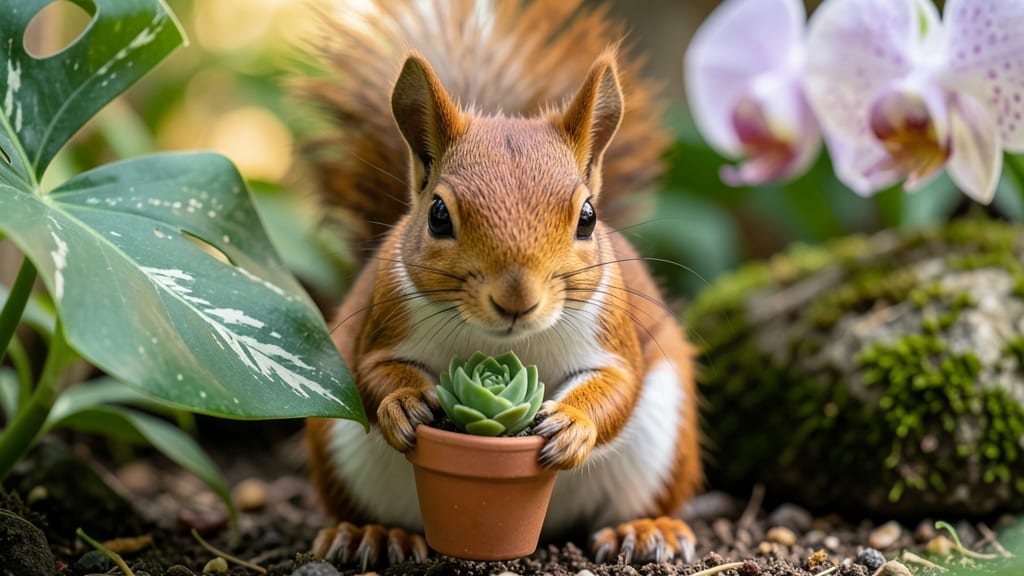
The Squirrel fertilizer does work on exotic plants to grow a garden, but it requires careful handling—its nitrogen-rich formula accelerates growth, yet delicate tropical varieties often need diluted applications to avoid root damage or fungal issues. Always spot-test first.
The Squirrel's high nitrogen content (typically 5-6-4 NPK ratio) makes it effective for fast-growing exotic plants like hibiscus or bird of paradise, but sensitive species like orchids or ferns may react poorly to its intensity. 🌿 I've seen dramatic results when used correctly—just halve the recommended dose for moisture-loving plants and pair it with perlite-heavy mixes to prevent compaction.
The key is monitoring leaf color: yellowing edges signal over-fertilization, while vibrant new growth confirms success.
For best results, apply during active growing seasons (spring/fall) and avoid watering immediately after—this gives roots time to absorb nutrients without shock. Many gardeners swear by mixing Squirrel with compost to create a gentler organic blend for exotic collections.
💡 In This Article
- How Squirrel Fertilizer Affects Exotic Plant Growth Mechanisms
- Best Practices for Using Squirrel Fertilizer on Exotic Gardens
How Squirrel fertilizer affects exotic plant growth mechanisms
The Squirrel fertilizer's effectiveness on exotic plants stems from its NPK ratio (5-6-4), where nitrogen dominates to fuel rapid foliage growth—a critical factor for tropical species like monstera or philodendron that demand lush, vibrant leaves.
This high nitrogen content (ammonium nitrate and urea) promotes chlorophyll production, but exotic plants with delicate root systems, such as orchids or ferns, may struggle because their natural habitats often have lower nutrient availability. 🌱 The fertilizer's synthetic compounds break down quickly, releasing nutrients in bursts that can overwhelm sensitive roots if not managed properly.
Exotic plants often have specialized root structures—like aerial roots in epiphytes or fibrous networks in succulents—that interact differently with Squirrel's composition.
For example, a bird of paradise thrives with its bold nitrogen push, developing broader leaves, while a calathea might suffer from leaf scorch due to salt buildup from the synthetic breakdown. The fertilizer's pH (typically 6.5-7.5) can also clash with acid-loving exotics like gardenias, which prefer 5.0-6.0.
This mismatch explains why some gardeners dilute Squirrel to half-strength for moisture-sensitive species.
What most people overlook is how Squirrel's fast-acting nature can disrupt microbial balance in exotic soil mixes. Tropical plants rely on mycorrhizal fungi for nutrient uptake, but the fertilizer's synthetic salts can temporarily inhibit these beneficial relationships. This is why pairing it with organic matter—like worm castings—helps buffer the shock.
I’ve observed that exotic plants with epiphytic growth habits (like bromeliads) often recover faster from Squirrel applications when paired with a 50% perlite mix, which improves aeration and reduces compaction.
Seasonal timing amplifies these effects. During spring's active growth phase, Squirrel's nitrogen boost aligns perfectly with exotic plants' needs, but applying it in winter dormancy can stress moisture-loving species like peace lilies.
The fertilizer's solubility means it leaches quickly, so frequent light applications (every 4-6 weeks) work better than heavy doses. For example, a monstera deliciosa might show dramatic new leaf growth within 6-8 weeks of proper Squirrel use, while a ferns could develop brown tips from over-fertilization.
Consider these key chemical interactions when using Squirrel:
- Nitrogen (N) dominance: Ideal for leafy exotics but risky for flowering species like orchids, which need balanced NPK
- Phosphorus (P) role: Supports root development in succulents but may be insufficient for tropical fruit trees that need higher P
- Potassium (K) function: Helps drought-resistant exotics like bougainvillea retain moisture but can cause potassium toxicity in calatheas
The bottom line? Squirrel's effectiveness hinges on matching its aggressive nutrient profile to the exotic plant's native soil conditions. For moisture-loving species, always dilute and pair with organic amendments—this two-step approach prevents the very issues that make gardeners wary of using Squirrel on exotics. 🌿