
Tools
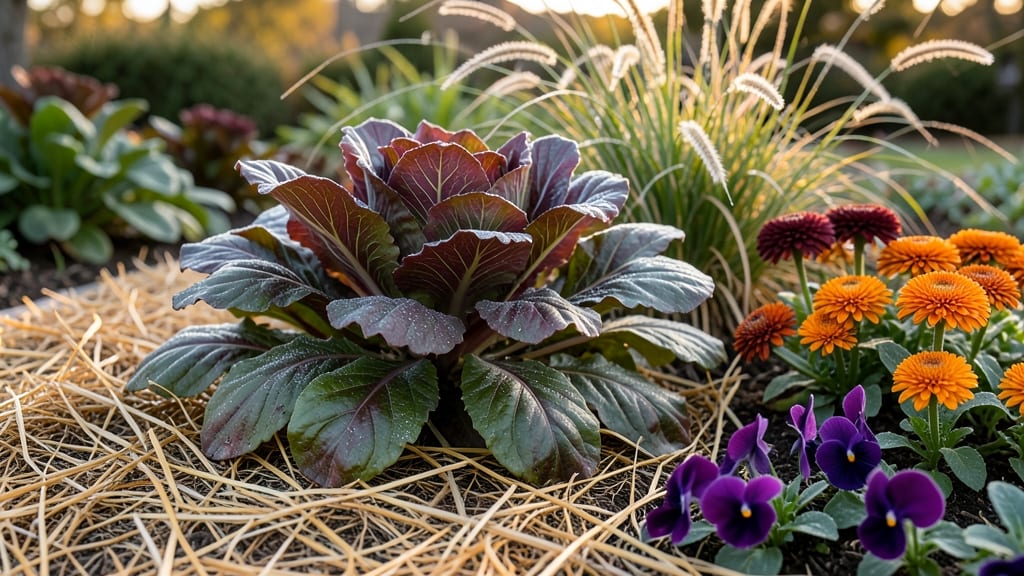
For a successful fall garden in Zone 8A, focus on planting cool-season crops like leafy greens, root vegetables, and brassicas between late August and early October. These varieties thrive in cooler temperatures and can be started indoors or directly sown outdoors while soil warmth lingers.
Zone 8A's mild winters and extended growing season create perfect conditions for hearty fall harvests. 🌱 The key is choosing crops that tolerate temperatures down to 10-14°F—think kale, carrots, and radishes—which mature quickly before frost sets in.
Unlike summer crops that wilt in heat, these varieties actually improve in flavor after light frosts, giving you sweeter greens and more tender roots. I always recommend preparing your soil with compost before planting, as cooler temperatures slow decomposition and nutrient release.
Timing is everything in Zone 8A's transitional climate. Start seeds indoors 4-6 weeks before your target planting date (typically mid-September for most varieties) to get a head start, then transplant when nighttime temperatures consistently dip below 75°F.
For direct sowing, wait until soil temperatures drop below 80°F—this prevents seeds from germinating too quickly and becoming stressed. Mulching with straw or leaves helps maintain even soil temperatures and conserves moisture as days grow shorter.
💡 In This Article
- Best Fall Vegetables and Herbs for Zone 8A Gardens
- Zone 8A Fall Planting Timeline and Soil Prep Tips
Best fall vegetables and herbs for zone 8A gardens
Zone 8A's unique climate—where winters rarely drop below 10-14°F—allows for a thriving fall garden filled with crops that actually improve after light frost. Unlike summer vegetables like tomatoes or peppers that bolt in heat, cool-season varieties like kale and carrots develop sweeter flavors when exposed to 25-30°F temperatures.
The secret lies in their biological adaptation: these plants convert starches to sugars during cold snaps, creating that signature sweetness gardeners love. For example, Lacinato kale (Tuscan kale) grows best in 50-65°F daytime temps and can withstand -10°F with proper mulching.
Root vegetables like carrots and beets thrive in fall because their growth slows dramatically when soil temperatures drop below 70°F—preventing the woody texture that develops in summer heat. Radishes mature in just 25-30 days, making them perfect for quick harvests before first frost.
Herbs like cilantro and parsley also flourish in cooler weather, with cilantro actually preferring 60-70°F temps to prevent bolting. The contrast with summer crops couldn't be starker: while peppers need 80°F+ to set fruit, these fall favorites grow best when daytime highs hover around 70°F.
What makes these crops ideal for Zone 8A is their frost tolerance combined with rapid growth cycles. Take broccoli for example: varieties like 'De Cicco' mature in 50-60 days and can handle 20°F without protection.
The key is planting 6-8 weeks before your first expected frost date—typically mid-November in Zone 8A—to ensure harvests before hard freezes. For herbs, dill and chives are excellent choices, as they continue producing flavorful leaves well into winter with minimal protection.
One common mistake gardeners make is assuming all cool-season crops are created equal. For instance, spinach bolts quickly in warm fall soil, while Swiss chard remains productive until 20°F. The solution?
Plant bolt-resistant varieties like 'Bloomsdale Long Standing' spinach or 'Bright Lights' chard, which offer both heat tolerance and frost resistance. Another pro tip: interplant fast growers like radishes (30 days) with slower maturing crops like kale (60 days) to maximize space efficiency.
Don't overlook the sensory rewards of fall gardening. There's nothing quite like the crisp snap of fresh radishes or the earthy aroma of cilantro pulled straight from the garden. These crops also bring visual interest with their varied textures—ruffled kale leaves, deep purple beets, and feathery dill fronds.
The flavor payoff is equally impressive: frost-sweetened carrots taste like nature's candy, while kale's peppery bite becomes milder and sweeter after a light freeze. This is why many chefs consider fall harvests the most flavorful of the year.
For maximum success, focus on these top 5 fall crops for Zone 8A:
- Leafy Greens: Kale, spinach, lettuce (50-65°F ideal, 20-25°F tolerance)
- Root Vegetables: Carrots, beets, radishes (60-70°F soil, 15-20°F frost resistance)
- Brassicas: Broccoli, Brussels sprouts (60-70°F days, 20°F tolerance)
- Herbs: Cilantro, parsley, dill (60-70°F preferred, 25°F limit)
- Alliums: Garlic, onions, chives (50-65°F, 15°F tolerance)
The science behind these choices is fascinating: these plants have evolved to thrive in temperate climates where nights grow cooler while days remain mild. This creates perfect conditions for photosynthesis without the heat stress that plagues summer crops. 🌿 The result?
A garden that not only survives but thrives as summer fades into fall.