
Tools
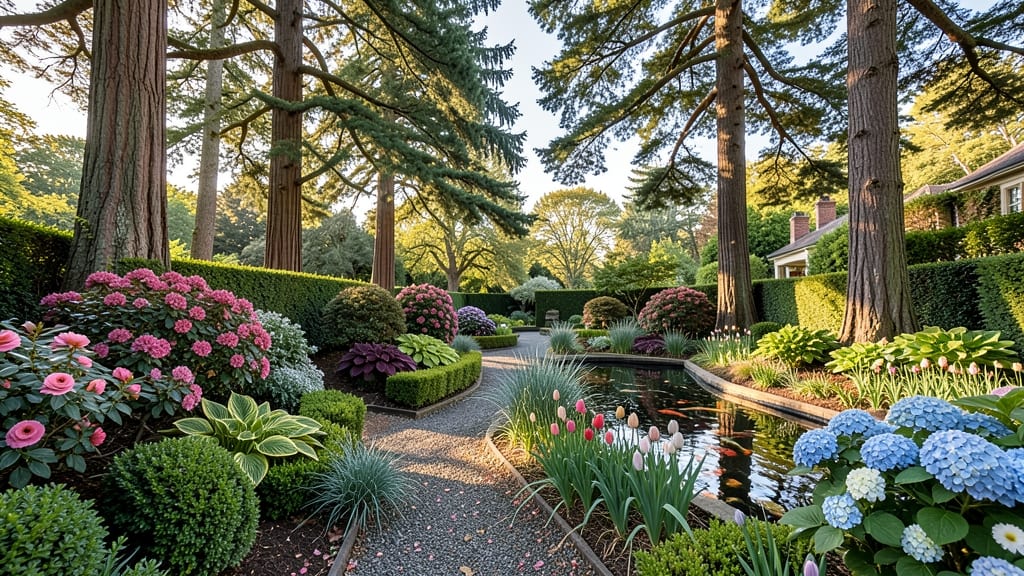
Filoli Garden in Redwood City features breathtaking historic gardens, rare botanical collections, and vibrant seasonal displays like azaleas and roses, seamlessly blending 19th-century elegance with contemporary horticulture. Wander through its 57 scenic acres to discover meticulously designed gardens and peaceful walking trails.
This stunning estate in the San Francisco Bay Area isn't just a garden—it's a living museum of landscape design. 🌿 The property's Victorian-era gardens were meticulously restored in the 1970s, featuring everything from formal parterres to wildflower meadows that change dramatically with each season.
What makes Filoli special is how it balances historic preservation with modern horticultural practices, creating a space that feels both timeless and fresh. The 57-acre estate includes themed gardens like the Japanese Tea Garden and the Italianate Garden, each offering unique visual experiences throughout the year.
The gardens aren't just beautiful—they're educational too. Filoli's plant collections include rare California natives alongside exotic imports, making it a paradise for plant enthusiasts. Whether you're admiring the spring azaleas, summer roses, or autumn foliage, each visit reveals something new.
Pro tip: The estate hosts seasonal events like holiday light displays and garden tours that bring the property's history to life in unexpected ways.
💡 In This Article
- Filoli’s Historic Gardens and Plant Collections
- Best Times to Visit Filoli for Seasonal Blooms
Filoli’s historic gardens and plant collections
Filoli’s gardens were originally designed in the early 1900s by Frederick Law Olmsted Jr., son of the famous landscape architect behind New York’s Central Park.
The estate’s original 1920s gardens followed Victorian-era principles—symmetrical layouts, formal hedges, and vibrant flower beds—while incorporating native California plants like coast live oak and toyons. These elements were carefully selected for their drought tolerance and ability to thrive in the Bay Area’s Mediterranean climate, a practice still honored today.
The garden’s 57 acres now feature over 1,500 plant species, including rare collections like the camellia garden (with 200+ varieties) and the Japanese Tea Garden, which was restored to its original 1927 design.
One standout is the Italianate Garden, where roses climb trellises and lavender hedges create fragrant pathways. Seasonal changes dramatically alter the landscape—spring brings 20,000+ azalea blooms, while autumn showcases redwoods and maples in fiery hues.
What makes Filoli unique is its blend of historic preservation and modern horticulture. The estate’s conservatory grows tropical plants like orchids and ferns, while the wildflower meadows support native pollinators.
Visitors often overlook how the garden’s microclimates create distinct zones—cooler areas near the creek support ferns, while sunny slopes thrive with drought-resistant succulents. This thoughtful design ensures year-round interest, even in winter when holly and magnolia provide structure.
The garden’s restoration process involved careful research into original blueprints and plant lists from the 1920s. For example, the Japanese Tea Garden was rebuilt using 1920s-era tools and authentic materials like Japanese maples and bamboo fencing.
Today, the estate continues this tradition by introducing climate-adapted plants that honor the original vision while addressing modern challenges like water conservation.
One lesser-known gem is the Rhododendron Dell, where 50+ rhododendron varieties bloom in spring, their bell-shaped flowers ranging from pink to deep purple.
The garden’s sensory experience is also intentional—herb gardens near the kitchen provide fresh ingredients for estate events, while wind chimes and water features enhance the tranquil atmosphere. This thoughtful layering of history, science, and beauty makes Filoli more than a garden—it’s a living classroom.
For plant lovers, the estate’s seasonal plant sales offer rare specimens like California native grasses or exotic bulbs, often at a fraction of retail prices.
Whether you’re admiring the formal parterres or spotting a rare magnolia, every visit reveals new details that connect you to Filoli’s 100-year history. 🌸