
Tools
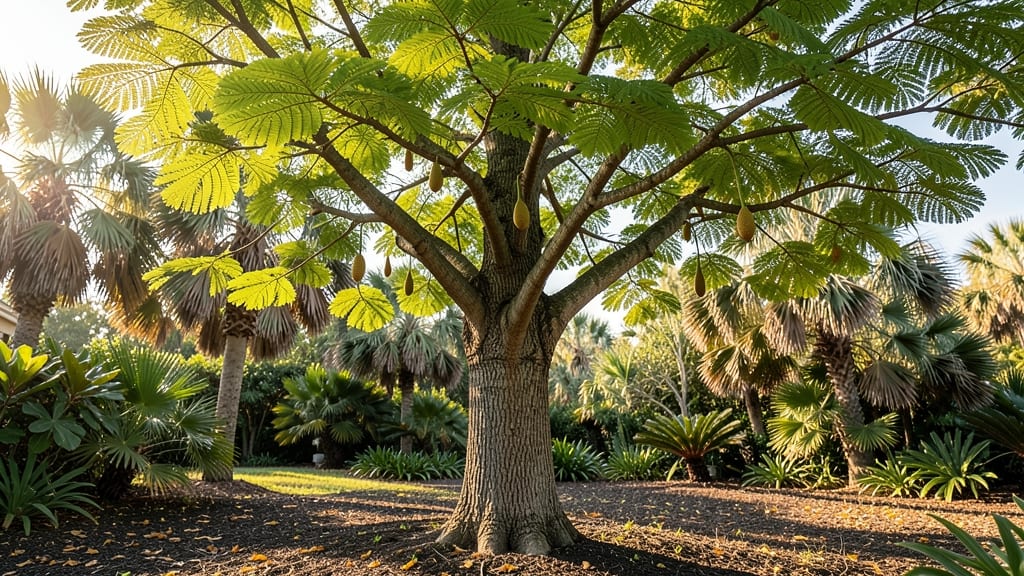
Florida botanical gardens feature stunning displays of tropical plants, from vibrant orchids to towering palms and delicate native wildflowers, all housed in themed exhibits like butterfly conservatories and orchid houses. These living collections combine breathtaking beauty with active conservation efforts, offering immersive experiences year-round.
Florida's botanical gardens are more than just pretty landscapes—they're living museums where rare and native plant species thrive in carefully designed ecosystems. 🌿 Many gardens, like Fairchild Tropical Botanic Garden in Miami, focus on preserving endangered flora while showcasing how different species adapt to Florida's unique climate and sandy soils.
The result? A year-round bloom calendar where each season reveals new wonders, from bromeliads in summer to winter-blooming camellias.
What sets these gardens apart is their hands-on approach to conservation. For example, the Marie Selby Botanical Gardens in Sarasota specializes in epiphytes—plants that grow on other plants—and offers propagation workshops where visitors can learn to grow their own orchids.
Meanwhile, Bok Tower Gardens in Lake Wales blends horticulture with music, creating serene spaces where you can stroll through gardens while listening to live performances. These experiences make Florida's botanical gardens perfect for both nature lovers and aspiring gardeners.
💡 In This Article
- Ecosystems and Rare Species in Florida Botanical Gardens
- Top Florida Botanical Gardens for Visitors and Gardeners
Ecosystems and rare species in Florida botanical gardens
Florida's botanical gardens are carefully designed to mimic the state's diverse ecosystems, from the Everglades' wetland habitats to the sandy scrublands of Central Florida. The climate here—warm year-round with high humidity—creates ideal conditions for tropical and subtropical plants, but also demands specialized growing techniques.
For example, many gardens use calcarious soils (rich in limestone) to replicate Florida's natural limestone bedrock, which supports unique flora like the Florida royal palm and coontie palm.
These soils also help filter rainwater, reducing erosion and maintaining the delicate balance needed for endangered species like the ghost orchid, which thrives in these precise conditions. 🌱
The state's botanical gardens serve as critical conservation hubs, housing over 300 endangered plant species that would otherwise vanish in the wild.
Take the Fairchild Tropical Botanic Garden, which has a dedicated conservation lab where scientists propagate rare plants like the silver palm (Coccothrinax argentata), a species found in only a few dozen locations worldwide.
The lab uses tissue culture—a process where plant cells are grown in sterile, nutrient-rich gels—to create genetically identical copies. This method has helped save species like the Florida torreya, a conifer that faces extinction due to a fungal disease. 🌿
Florida's botanical gardens also showcase how plants adapt to extreme conditions. The Marie Selby Botanical Gardens in Sarasota specializes in epiphytes—plants that grow on other plants (like orchids and bromeliads)—which thrive in the garden's humid, shaded environments.
These plants have evolved to absorb moisture and nutrients from the air rather than soil, a survival strategy that's visible in the garden's canopy walkways, where visitors can observe them at eye level.
Meanwhile, gardens like Bok Tower Gardens focus on xeric landscapes, using drought-resistant plants to demonstrate how flora survives Florida's dry seasons. 💧
One of the most fascinating aspects of these gardens is their seasonal transformations. While many think of Florida as perpetually warm, the state does experience distinct seasons, each revealing different plant behaviors.
For instance, the Fairchild Garden's orchid collection peaks in spring and fall, when temperatures are mild and humidity is high—ideal for blooming. In contrast, winter-blooming camellias and Christmas ferns thrive in the cooler months, adding vibrant green and red hues to the landscape.
This seasonal diversity ensures that no two visits are alike, making Florida's botanical gardens a year-round destination. ⚡
Beyond conservation, these gardens play a role in ecological education. Many offer guided tours that explain how plants interact with their environments, such as how palmetto palms protect soil from erosion or how fire-adapted plants like the saw palmetto regenerate after wildfires.
These insights help visitors understand the importance of biodiversity and the delicate balance of Florida's ecosystems. For example, the Everglades National Park's botanical gardens highlight how wetland plants like the sawgrass filter pollutants and provide habitat for wildlife, including the endangered Florida panther. 🐾
What makes Florida's botanical gardens truly unique is their ability to blend science, art, and recreation. Gardens like Dan Beard Big Cypress Preserve combine native plant displays with interpretive trails that teach visitors about the region's history and ecology.
Meanwhile, Fairchild Garden's butterfly garden isn't just a pretty exhibit—it's a living classroom where visitors learn about pollination and the life cycles of butterflies like the Gulf fritillary, which relies on native passionflower vines for survival.
These experiences make conservation tangible and inspiring, turning casual visitors into advocates for Florida's natural heritage. ✨