
Size
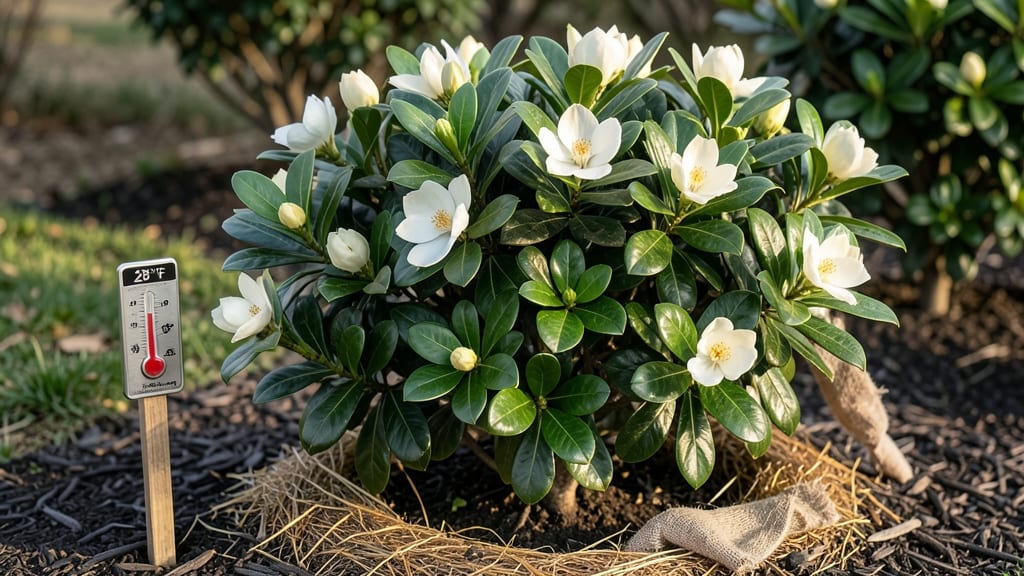
A frost-proof gardenia height of 3-6 feet is entirely within your control with the right pruning techniques—even in Zone 6’s chilly winters.
Cold snaps can devastate your gardenias—but with the right frost-proof pruning techniques, you can control their height and keep them thriving through winter. Discover how to master gardenia growth year-round without sacrificing beauty.
Most gardenias reach their mature height by year three, but aggressive pruning in early spring can keep them compact and frost-resistant. The key is timing: prune just before new growth begins, and always use clean, sharp tools to avoid disease.
Below, I’ll walk you through the best frost-hardy varieties, seasonal pruning calendars, and winter care tips to maintain that perfect 3-4 foot height while protecting your plant from Zone 6 frosts.

How frost-proof pruning controls gardenia height naturally
Cold snaps can turn your gardenia into a frost-damaged mess, but strategic pruning transforms winter threats into growth control opportunities. By understanding how pruning angles and growth hormones work, you can naturally reduce height while strengthening your plant's frost resistance.
The key? Timing cuts to trigger dormant buds and shape a compact, sturdy structure that survives winter better.
Gardenia shrubs naturally grow 3-6 feet tall, but with the right techniques, you can maintain a 2-3 foot height without sacrificing blooms. The secret lies in hormonal responses—when you cut at specific points, you signal the plant to produce lateral buds instead of vertical growth.
This creates a bushier, shorter plant that's also more resilient to cold snaps because of its improved air circulation and thicker stems.
Here's the science: Gardenias produce auxin hormones at branch tips that promote upward growth. When you prune, you remove these growth centers, causing cytokinins to activate in the stem nodes below.
These hormones trigger side shoots that grow outward rather than up, naturally reducing height while increasing frost resistance through a denser canopy.
For maximum frost protection, focus on renovation pruning in late winter (February) when the plant is still dormant. Cut back 1/3 of the plant's height to the strongest stems, making clean cuts at 45° angles just above outward-facing buds.
This method triggers vigorous new growth that will be hardier and more compact by frost season.
The cut angle matters more than you think. Always make cuts at a 45° angle about 1/4 inch above an outward-facing bud. This angle prevents water from pooling on the cut, reducing disease risk while encouraging horizontal growth.
Avoid cutting too close to the bud—this can stunt new shoots and leave the plant vulnerable to frost damage.
Timing is everything when it comes to frost-proof pruning. Never prune in late summer or fall—this gives new growth no time to harden off before winter. Instead, plan your heaviest pruning for late winter (February) and early spring (March) when the plant is still dormant.
Light summer pruning (June-July) helps maintain shape but should never exceed 25% of the plant's height.
After pruning, apply a 2-inch layer of mulch around the base to insulate roots and retain moisture. Use pine bark or pine needles—they naturally acidify the soil, which gardenias love.
This mulch barrier also protects new growth from temperature fluctuations that can cause frost damage. Water deeply after pruning to help the plant recover and establish new roots before winter.
For extra frost protection, consider wrapping young gardenias with burlap or frost cloth after pruning. This creates a microclimate that can raise temperatures by 5-10°F, making a big difference in USDA Zone 6 and colder.
Remove the covering on mild days to prevent humidity buildup, which can encourage fungal diseases.
Remember that pruning stimulates new growth, which means your gardenia will need extra care after cutting. Increase watering to every 2-3 days for the first month post-pruning, and apply a balanced fertilizer (10-10-10) to support the nutrient demands of new shoots.
This helps your plant recover faster and build resilience before winter arrives.
With these frost-proof pruning techniques, you'll
Best frost-proof gardenia varieties for controlled height growth
If you love the intoxicating fragrance of gardenias but dread winter's chill, you're not alone. Many gardeners struggle with frost-sensitive varieties that wilt when temperatures drop. The good news? Certain cold-hardy gardenia cultivars naturally stay compact and survive USDA Zone 6 winters with minimal fuss.
These frost-proof gardenias thrive in cooler climates while maintaining controlled height growth. Unlike their tropical cousins that reach 6 feet, these varieties max out at 2-3 feet, making them perfect for containers, foundation plantings, or small gardens.
Let's explore the top picks that combine frost resistance with manageable stature.
The 'Radicans' gardenia stands out as the most frost-resistant compact option, reaching just 2-3 feet while thriving in Zone 6. Its spreading habit creates a lush, low-growing hedge perfect for borders or container gardens.
Unlike standard varieties that bolt upright, 'Radicans' stays ground-hugging, reducing winter damage from heavy snow.
For those in slightly warmer zones (Zone 7+), 'Kleimschmidtiana' offers a taller but still manageable height of 3-4 feet. This variety produces larger blooms than its compact cousins, making it ideal for scented focal points in perennial beds.
Its upright growth also makes it easier to train as a small shrub or even a single-stem specimen.
If you're after a dwarf gardenia with year-round interest, consider 'Veitchii'. This variety stays under 3 feet while producing dark green foliage that contrasts beautifully with its creamy white flowers. Its dense, rounded shape makes it perfect for foundation plantings or container gardens where space is limited.
Remember, even frost-proof varieties benefit from winter mulching and light pruning before the first frost. Apply 3-4 inches of mulch around the base to insulate roots, and trim back any weak or leggy growth in early spring.
This simple care ensures your compact gardenias remain healthy and blooming season after season.
🌱