
Tools
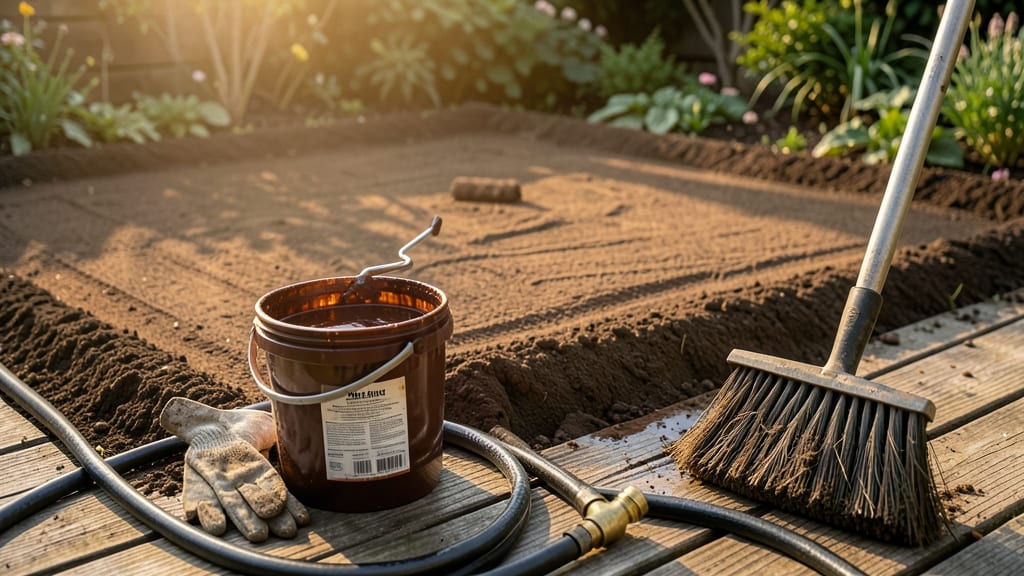
Using garden bed sealants helps prevent soil erosion, locks in moisture, and blocks weeds by forming a protective layer. Pick from biodegradable choices like cardboard or long-lasting synthetic sheets depending on your garden’s specific demands and how long you need them to last.
These protective layers work in different ways—some let water and air through while others create a complete barrier.
For example, landscape fabric allows roots to breathe while still blocking weeds, while plastic sheets keep everything in but can trap heat. 🌱 I’ve found that organic options like cardboard break down over time, making them ideal for temporary projects, while heavier-duty materials like rubber or EPDM last for years.
The right choice depends on whether you prioritize plant health, ease of installation, or long-term durability.
Need help picking? Consider your garden’s layout—raised beds benefit from lightweight, breathable options, while slopes require heavier materials to prevent erosion. Always check if your plants need airflow; some sealants can smother roots if not installed correctly.
For instance, vegetables often thrive with permeable barriers, while ornamental beds can handle more restrictive options.
💡 In This Article
- How Different Garden Bed Sealants Work
- Best Garden Bed Sealants for Specific Needs
How different garden bed sealants work
Garden bed sealants function through two core mechanisms: moisture retention and weed suppression, but their effectiveness depends entirely on material composition. Permeable options like landscape fabric or cardboard allow water and air to pass through while blocking weed seeds—ideal for root-heavy plants.
The fabric’s woven structure creates tiny gaps (0.02-0.05 inches) that let moisture penetrate while physically preventing weeds from sprouting.
In contrast, impermeable materials like plastic sheets or rubber membranes form a complete barrier that locks in moisture but can trap heat, raising soil temperatures by 10-15°F in sunny climates.
The science behind weed suppression is fascinating—most garden weeds germinate from seeds already present in the soil.
When you lay down a sealant, you’re essentially creating a physical blockade that stops sunlight (a weed’s primary energy source) from reaching seeds. Cardboard, for example, breaks down in 6-12 months while suppressing weeds, but its effectiveness depends on being layered with 2-3 sheets to block light completely.
Synthetic fabrics, on the other hand, use UV-stabilized fibers that can last 5-10 years without degrading, making them better for long-term projects.
Moisture retention works differently depending on the material. Plastic sheets reflect sunlight, reducing evaporation by up to 40% compared to uncovered soil, while geotextile fabrics absorb and slowly release water through capillary action.
This is why I recommend fabric for drought-prone areas—it mimics natural soil behavior by allowing gradual moisture release rather than creating a waterlogged environment. The trade-off? Fabrics cost $0.50-$2 per square foot, while plastic sheets run $0.10-$0.30, making them the budget-friendly choice for temporary protection.
Environmental impact varies wildly between options. Biodegradable materials like cardboard or untreated jute break down into compost, enriching soil with carbon over time. However, they require frequent replacement (every 1-2 years) and can attract pests if not properly buried.
Synthetic materials, while longer-lasting, contribute to microplastic pollution when they degrade—though some newer options use recycled plastics or plant-based polymers to mitigate this. For eco-conscious gardeners, compostable plastic alternatives (made from cornstarch) offer a middle ground with 60-90 days of weed suppression before breaking down harmlessly.
Temperature regulation is another critical factor, especially in hot climates. Dark-colored sealants like black plastic absorb heat, creating a greenhouse effect that can scorch plant roots if not ventilated. Lighter colors or reflective materials (like aluminum-coated fabric) reduce heat absorption by 20-30%, making them safer for heat-sensitive crops.
This is why I always recommend testing sealants in small sections first—what works for cool-season veggies might cook summer flowers in a matter of weeks.
Consider this real-world example: In my own garden, I used landscape fabric under a strawberry patch to block weeds while allowing roots to spread. The fabric’s 0.03-inch pores kept moisture in while preventing crabgrass from taking over.
Meanwhile, a neighboring plot with cardboard mulch worked perfectly for a short-term potato bed but required replacement after one growing season. The key difference? Fabric’s durability versus cardboard’s temporary, soil-enriching breakdown.