
Planting
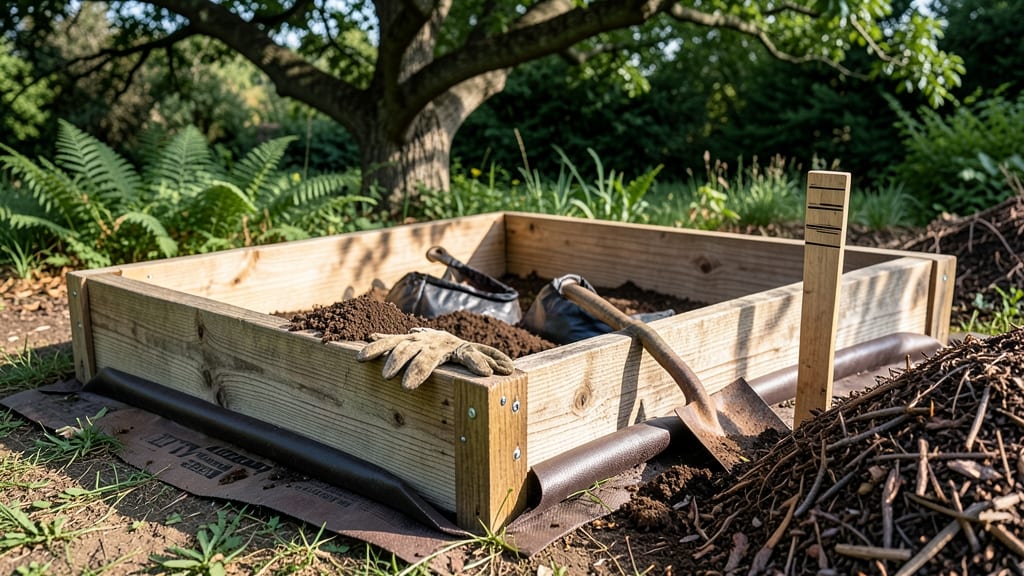
To determine how deep to make raised garden beds for strong root growth, aim for 6 to 12 inches of soil—enough to support most vegetables and herbs without overbuilding.
Struggling to decide how deep your raised garden beds should be? The right soil depth can mean the difference between thriving plants and stunted growth—here’s the science-backed guide to get it perfect.
Too shallow, and root crops like carrots or potatoes won’t develop fully. Too deep, and you’re wasting materials while shallow-rooted plants like lettuce or basil struggle to thrive.
Below, I break down the ideal depth for different plants, how to adjust for drainage and accessibility, and the one game-changer that saves you from overbuilding while maximizing yield.
Optimal raised garden bed depth for root growth and plant types
When building raised garden beds, the depth of your soil directly impacts plant health and yield. Most gardeners follow the 6-12 inch rule for general use, but this can vary based on what you're growing.
Shallow-rooted plants like basil or lettuce thrive in just 6 inches of soil, while deep-rooted crops like tomatoes or carrots need 12+ inches to reach their full potential. The right depth ensures proper root expansion and nutrient access.
Why does depth matter so much? Roots need space to anchor securely and access moisture and nutrients deeper in the soil. A shallow bed can stunt growth, especially for plants with extensive root systems.
Meanwhile, overbuilding can waste materials and create unnecessary maintenance. Let’s break down the science and practical tips to get your raised beds just right.
🌱 Key Takeaway: The standard 6-12 inch depth works for most vegetables and herbs, but adjust based on your plants' needs. For example, asparagus requires 18 inches or more for optimal growth.
To calculate soil volume for your raised bed, multiply the length × width × depth. For example, a 4'x4' bed with 12 inches of soil requires 1.5 cubic feet of soil mix.
Use this formula to avoid buying too much or too little. Pro tip: Loosen the soil before planting to encourage deeper root penetration.
If you’re growing multiple plant types in one bed, prioritize the deepest-rooted plants. For instance, place carrots or potatoes in the corners of a 18-inch-deep bed and fill the center with shallower-rooted herbs. This maximizes space without sacrificing growth potential for any plant.
Another critical factor is drainage. Raised beds should have drainage holes at the bottom to prevent waterlogging, which can suffocate roots. Add a 1-2 inch layer of gravel or landscape fabric at the base to improve airflow while maintaining structure.
This simple step can prevent root rot in heavy clay soils.
For container gardening or small spaces, consider deep pots or half-barrels with 18-inch depths for tomatoes or peppers. These alternatives work well for urban gardeners who need vertical solutions. Just ensure the container has adequate drainage holes and is large enough for mature root systems.
When in doubt, err on the side of depth. You can always add more soil later, but you can’t dig deeper once the bed is built.
Start with 12 inches for most vegetables and adjust upward for root crops. This approach gives you flexibility while ensuring your plants have room to thrive.
Finally, remember that soil quality matters just as much as depth. Use a mix of topsoil, compost, and organic matter to create a nutrient-rich environment. A 6-inch bed with poor soil won’t support plants as well as a 12-inch bed with rich compost.
Balance depth with soil health for the best results.
With the right depth and soil mix, your raised garden beds will become a powerhouse for healthy, productive plants. Happy gardening! 🌱
Adjusting raised bed depth for different plants: a comparison guide
Not all plants need the same raised bed depth—what works for strawberries (6-8 inches) falls short for carrots (12+ inches). The key is matching your bed's soil depth to your plants' root systems while avoiding wasted materials or poor drainage.
Let’s break down the ideal depths for common crops to maximize your harvest without overbuilding.
For vegetables, the rule of thumb is 6-12 inches of soil, but deep-rooted crops like asparagus or potatoes demand 18+ inches to thrive. Meanwhile, herbs like basil or parsley thrive in just 6-8 inches, making them perfect for smaller beds.
Understanding these differences helps you design efficient, high-yield spaces without unnecessary construction.
| Plant Type | Ideal Depth (inches) | Notes |
|---|---|---|
| Root Vegetables (carrots, beets, parsnips) | 12-18+ | Deep roots need full extension space. |
| Leafy Greens (spinach, lettuce, kale) | 6-10 | Shallow roots; prioritize soil fertility. |
| Fruiting Plants (tomatoes, peppers, strawberries) | 8-12 | Balance depth for roots and fruit production. |
| Herbs (basil, parsley, chives) | 6-8 | Compact beds work well for frequent harvesting. |
| Perennials (asparagus, rhubarb) | 18-24 | Deep beds reduce disturbance to established roots. |
Strawberries and shallow herbs like thyme or oregano do beautifully in 6-8 inch beds, while deep-rooted vegetables like carrots or parsnips need 12-18 inches to avoid stunted growth. A hybrid approach—like dedicating one side of a bed to greens (6 inches) and the other to tomatoes (12 inches)—lets you grow more in less space without sacrificing yield.
For fruiting plants like tomatoes or peppers, aim for 8-12 inches of soil. These plants benefit from deeper beds because their root systems anchor them while supporting heavy fruit loads. If your bed is too shallow, you’ll see less robust plants and lower yields, even with perfect care.
Always amend soil with compost to improve drainage and aeration in deeper beds.
Perennials like asparagus or rhubarb are the exceptions—they need 18-24 inches of soil to establish strong root systems for years of harvest. If you’re planting these, consider elevated beds or deep containers to avoid digging into native soil, which can introduce weeds or pests. For most annual vegetables, 12 inches strikes the perfect balance between root space and practicality.
Remember, drainage matters as much as depth. Raised beds should always have holes in the bottom or a landscape fabric barrier to prevent waterlogging, especially in clay-heavy soils. A 6-inch layer of gravel at the base can also improve drainage without adding to the overall depth needed for plants.
Test your soil’s moisture retention—if water pools after rain, your bed may need better drainage layers or sandy amendments.
Start with a 6-12 inch bed for most crops, then adjust based on what you’re growing. Carrots in a 6-inch bed will fork and struggle, while basil in a 12-inch bed is a waste of space.
By tailoring your raised bed depth to your plants, you’ll save time, materials, and frustration while enjoying a bountiful harvest. Happy planting! 🌱