
Tools
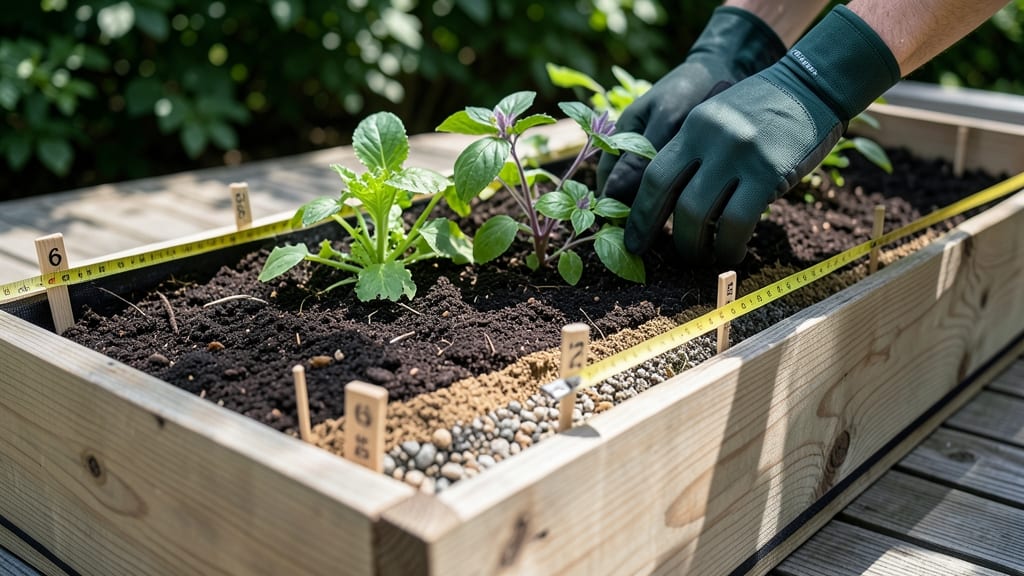
To get the most from your raised garden bed soil depth, aim for at least 6 inches of rich, well-draining mix—this is the magic number for root space, drainage, and plant health.
Struggling to decide how deep your raised garden bed should be? The 6-inch rule isn’t just a suggestion—it’s a science-backed foundation for healthy root growth, proper drainage, and maximum plant productivity.
Too shallow, and your plants will compete for nutrients in a tiny soil layer. Too deep, and you’re wasting materials without much benefit. The key is balancing depth with practicality, whether you’re growing shallow-rooted herbs or deep-rooted carrots.
Below, I’ll break down why 6 inches works, how to adjust for different plants, and common mistakes that can ruin your soil setup—so you can grow a thriving garden without guesswork.
Why 6 inches of soil depth is the ideal standard for raised beds
The 6-inch soil depth in raised beds isn’t arbitrary—it’s rooted in plant biology and practical gardening needs. Most vegetables and herbs thrive with this depth because it provides enough root zone space while balancing moisture retention and drainage.
Shallower beds risk stunted growth, while deeper ones can become waterlogged or require excessive maintenance. Understanding this standard helps you design beds that maximize productivity without unnecessary effort.
Plants need 3-6 inches of soil to establish strong roots, but the 6-inch minimum accounts for organic matter breakdown over time. As compost and mulch decompose, they shrink, reducing available space.
This depth also prevents roots from hitting the bed’s bottom layer too quickly, which can lead to nutrient deficiencies or poor stability. Think of it as giving your plants room to grow both vertically and horizontally.
Proper drainage efficiency is another key reason behind the 6-inch rule. Raised beds without adequate depth can become soggy after heavy rains, suffocating roots and inviting fungal diseases. A 6-inch soil layer allows excess water to drain through while retaining enough moisture for roots to absorb.
This balance is critical for root health and overall plant vigor, especially in clay-heavy or poorly draining soils.
Let’s break down the science and practical benefits of this standard in a clear, actionable format:
| Factor | 6-Inch Soil Benefits | Why It Matters |
|---|---|---|
| Root Zone Space | Accommodates 80% of plant roots | Prevents root binding and stunted growth |
| Moisture Retention | Balances water availability | Reduces drought stress and overwatering risks |
| Drainage Efficiency | Prevents waterlogging | Avoids root rot and fungal diseases |
| Nutrient Availability | Supports microbial activity | Ensures consistent nutrient uptake |
| Temperature Regulation | Moderates soil warmth | Promotes faster germination and growth |
The 6-inch depth also aligns with the natural growth patterns of most garden vegetables. For example, leafy greens like lettuce and herbs such as basil develop robust root systems within this range, while shallow-rooted flowers like marigolds thrive without deeper soil.
This depth is a sweet spot that minimizes the need for frequent soil amendments while maximizing yield. It’s why experienced gardeners often start with this standard before adjusting for specific plants.
Another practical advantage is ease of maintenance. A 6-inch soil layer is deep enough to support tools like hand trowels or small hoes, making weeding and planting easier. Deeper beds may require specialized tools or more physical effort to work the soil, which can deter beginners.
Plus, this depth is cost-effective—you’ll use less soil mix while still achieving optimal results for most crops.
For container gardening or small-space gardens, a 6-inch depth is often the maximum practical limit. It ensures you can still grow a wide variety of plants without sacrificing yield or health.
Even in larger raised beds, this depth serves as a foundation layer, with additional depth added only for deep-rooted crops like asparagus or potatoes. This modular approach lets you customize your bed while keeping the core benefits of the 6-inch standard.
If you’re building a new raised bed, aim for at least 6 inches of soil, but consider adding a 1-2 inch buffer at the bottom for drainage materials like gravel or compost. This extra layer prevents water from pooling at the base while still leaving ample space for roots.
Over time, you can monitor plant performance and adjust depth for specific crops, but starting with this standard sets you up for success.
Remember, the 6-inch rule isn’t a hard limit—it’s a starting point backed by decades of gardening science. By understanding why this depth works, you’ll be better equipped to troubleshoot issues like poor growth or drainage problems.
Whether you’re a beginner or a seasoned gardener, this standard provides a reliable foundation for healthy, productive raised beds.
Adjusting soil depth for different plant types: roots, depth needs, and exceptions
Not all plants thrive with the same soil depth. While the 6-inch rule works for most vegetables, some plants—like carrots or potatoes—need deeper soil to reach their full potential. Understanding these differences helps you customize your raised bed for optimal growth without wasting space.
Let’s break down the root zones for common plant types and when to break the 6-inch rule.
The root system of a plant determines how deep its soil should be. Shallow-rooted plants, like lettuce or basil, only need 3-6 inches of soil to flourish. Medium-rooted varieties, such as tomatoes and peppers, thrive in 6-12 inches.
Deep-rooted crops, like carrots and asparagus, demand 12+ inches to develop properly. Ignoring these needs can stunt growth or lead to poor yields.
For shallow-rooted plants, like herbs or leafy greens, a standard 6-inch depth is perfect. These plants focus their energy above ground, so deeper soil is unnecessary and can even lead to waterlogging.
Instead, prioritize well-draining soil and frequent watering to keep roots happy. A layer of mulch helps retain moisture without smothering delicate roots.
When planting medium-rooted crops, such as tomatoes or peppers, aim for 10-12 inches of soil. These plants benefit from extra depth to support their fruit production and stability.
If your raised bed is only 6 inches deep, consider side-dressing with compost or using container growing for larger varieties. Loosen the soil before planting to encourage root expansion.
Deep-rooted vegetables, like carrots and potatoes, require 18+ inches of soil to avoid deformities or stunted growth. If your raised bed isn’t deep enough, build it taller or plant these crops in dedicated containers.
For potatoes, use the "hill" method—adding soil around the stems—to encourage deeper root growth. Amend the soil with sand or perlite to prevent compaction and improve drainage.
Some plants, like rhubarb or corn, have unique needs that don’t fit neatly into categories. For these exceptions, customize your approach: use deeper beds, amend soil with organic matter, or opt for container gardening.
Always research the specific root depth of your plants to avoid common mistakes, like planting carrots in shallow soil and ending up with knobby roots.
Remember, the key to adjusting soil depth is observation. Monitor your plants for signs of stress, like yellowing leaves or stunted growth, and adjust accordingly. With the right depth and soil amendments, your raised bed can support a diverse, thriving garden—no matter the plant type. Happy growing! 🌱