
Landscaping
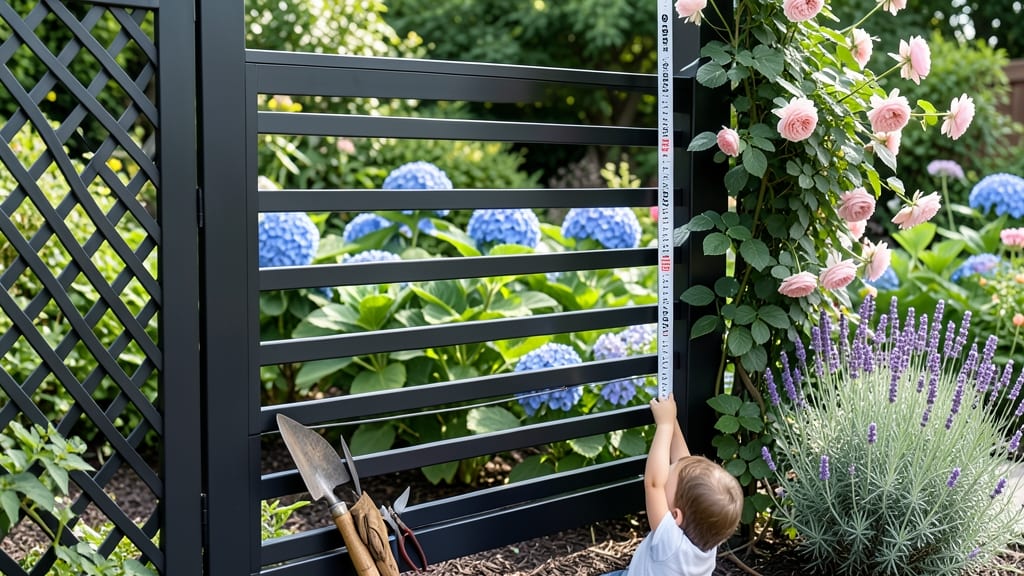
Determining garden fence height depends on local regulations, which usually set residential limits between 4 to 6 feet, though some communities permit taller privacy barriers with proper permits. Always verify zoning laws before building.
Local governments establish these height restrictions primarily to maintain neighborhood harmony and visibility for safety. 🏡 Many cities also consider how fences impact property values or block sunlight between neighbors.
I recommend checking your county's zoning website or contacting the planning department—they'll provide exact measurements and any special conditions, like height exemptions for security purposes or agricultural properties.
For privacy needs, you might explore alternatives if local laws restrict your preferred height. Vinyl or wood fences often reach the maximum allowed height while providing solid coverage, while lattice panels can add visual height without bulk.
Some homeowners also combine shorter fences with dense shrubs or evergreen trees to create a taller, natural barrier that complies with regulations.
💡 In This Article
- Understanding Local Garden Fence Height Regulations
- Choosing the Best Fence Height for Privacy and Aesthetics
Understanding local garden fence height regulations
Local fence height restrictions exist primarily to balance privacy with community safety and aesthetics. Cities typically cap residential fences at 4 to 6 feet to prevent visual obstructions that could hinder emergency vehicle visibility or create neighborhood disputes over sunlight access.
For example, Los Angeles County's zoning code limits fences to 6 feet in the front yard but allows 8 feet in side and rear yards with a permit—this variation accounts for how visibility affects different property areas.
The enforcement mechanism often involves zoning officers who review applications against local ordinances. What most homeowners don't realize is that even within the same city, height limits can vary by district.
For instance, historic neighborhoods might enforce stricter 4-foot maximums to preserve architectural character, while suburban areas allow 6 feet for privacy. 🏛️ Property line setbacks also factor in—some regulations require fences to sit at least 2 feet from the property boundary, which affects how tall a fence can appear from neighboring yards.
Exemptions typically apply to security fences (like those around pools or gates) or agricultural barriers (such as livestock containment).
In rural areas, counties often permit taller fences (8 feet or more) to accommodate farming needs, while urban HOAs may enforce even stricter limits (3 to 4 feet) to maintain uniformity.
The key is that these exceptions usually require documentation—such as a security system plan or agricultural zoning designation—to justify the deviation.
To find your local rules, start with your city or county's zoning website, where most jurisdictions post height limits under "land use" or "building codes." If you're in a planned community, check the HOA's covenants—they often include fence specifications that override general zoning laws.
For example, many Florida HOAs cap fences at 4 feet in front yards to maintain curb appeal, regardless of county-wide permits.
What's interesting is how these regulations evolved from early 20th-century zoning laws designed to prevent overcrowding and ensure fire safety.
Today, the focus has shifted to balancing privacy with modern needs like surveillance visibility and emergency access. 📜 For instance, some cities now require fences to include gaps of at least 4 inches at the bottom to prevent concealment of criminal activity—a practical adaptation that didn't exist in older ordinances.
If you're unsure where to start, contact your local planning department—they'll provide the exact measurements and any required permits. Many offices offer free consultations or have online tools where you can input your address to see zoning details.
This step is crucial because building a fence that violates height restrictions could result in fines or mandatory removal, even if you thought you were compliant.