
Tools
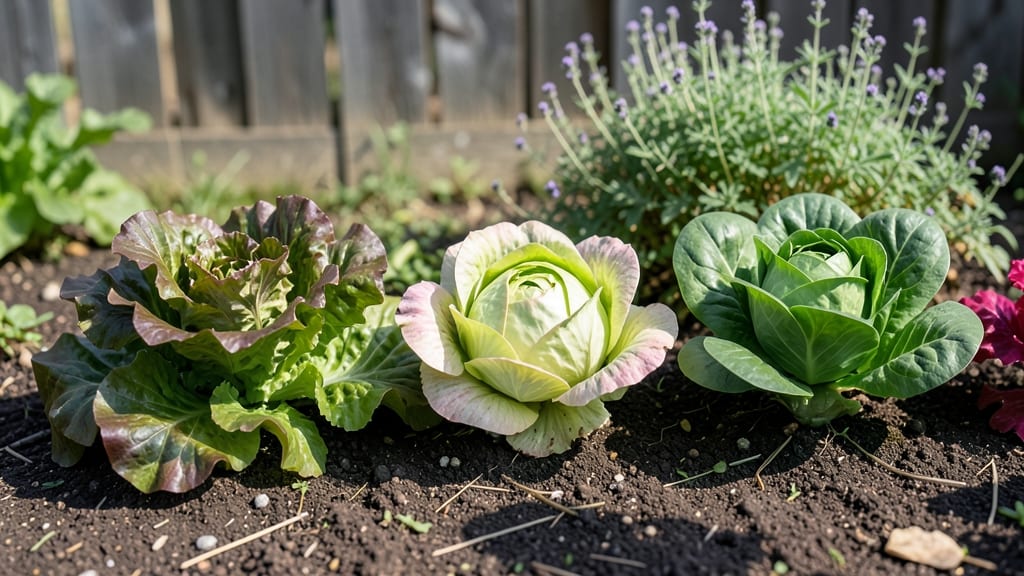
Garden lettuce types include fast-growing varieties like leaf lettuce (e.g., butterhead, romaine), looseleaf (e.g., Black Seeded Simpson), and head lettuce (e.g., iceberg, crisphead). Plant leaf lettuce 4-6 weeks before the last frost for early harvests, while head lettuce thrives in cooler seasons (spring/fall) and bolts quickly in heat.
Understanding lettuce varieties helps you choose the right types for your garden's climate and timeline. Leaf lettuces like butterhead and romaine mature in just 30-45 days, making them perfect for quick harvests, while head lettuces take longer but offer crisp texture.
The key difference lies in their growth habits: leaf varieties bolt faster in heat, while head types thrive in cooler weather. 🌱 For fastest results, I recommend planting leaf lettuce varieties in early spring or late summer when temperatures are mild, ensuring you get multiple harvests before bolting sets in.
If you're aiming for a steady supply, succession planting every 2-3 weeks works wonders—this keeps your garden productive without overwhelming you with all-at-once harvests. For example, 'Salad Bowl' butterhead lettuce can be ready in as little as 30 days, while 'Arkansas Endurance' romaine takes about 45 days.
These timelines make them ideal for gardeners who want fresh greens without long waits.
💡 In This Article
- How Lettuce Varieties Differ in Growth Speed and Climate Needs
- Best Fast-Growing Lettuce Varieties for Spring and Fall Planting
How lettuce varieties differ in growth speed and climate needs
Lettuce varieties grow at dramatically different speeds due to their genetic makeup and physiological adaptations. Leaf lettuces, like butterhead and looseleaf types, mature in just 30-45 days because they focus energy on rapid leaf production rather than forming dense heads.
Their shallow root systems allow them to absorb nutrients quickly, while their loose structure prevents bolting (flowering) longer than head lettuces. In contrast, head lettuces like iceberg or romaine take 60-80 days to form their compact structures, which requires more energy and time to develop.
The science behind bolting explains why leaf lettuces thrive in heat while head types struggle. When temperatures rise above 75°F (24°C), leaf lettuces trigger a survival mechanism called "thermo-inhibition," slowing growth but preventing premature bolting.
Head lettuces, however, lack this resistance and bolt rapidly when exposed to prolonged heat or drought, as their growth hormones (like gibberellins) become overactive. This is why gardeners in hot climates often harvest leaf types repeatedly rather than waiting for head lettuces to mature.
Climate needs also vary by variety. Leaf lettuces like 'Black Seeded Simpson' perform best in 55-65°F (13-18°C) ranges, while head lettuces such as 'Romaine' prefer 60-70°F (16-21°C).
The difference lies in their cellular structure: leaf types have thinner cell walls that expand quickly in cooler weather, while head lettuces develop thicker, more rigid cells that require stable temperatures to form properly.
This is why spring and fall planting (when daytime temps hover around 65°F/18°C) yield the best results for both categories.
Light exposure plays a crucial role too. Leaf lettuces grow well under partial shade, making them ideal for container gardens or areas with afternoon sun. Head lettuces, however, need full sun (6-8 hours daily) to develop their signature crunch. The trade-off?
Leaf types tolerate lower light conditions because their loose structure doesn't require dense photosynthesis, while head lettuces' compact heads need consistent light to prevent leggy, bitter growth. This is why gardeners often interplant leaf lettuces with taller crops like tomatoes or peppers.
Watering strategies differ by type as well. Leaf lettuces have shallow roots (4-6 inches deep) and need frequent, light watering to prevent wilting, while head lettuces develop deeper roots (8-12 inches) that store more moisture.
Overwatering leaf types can lead to rot, whereas head lettuces benefit from deeper, less frequent watering to encourage root growth. The key is maintaining even soil moisture—letting either type dry out triggers bolting or bitter flavors.
For gardeners in warmer zones (USDA 8-10), leaf lettuces like 'Outredgeous' red looseleaf are the best choice because they mature in just 35 days and tolerate brief heat spells.
In cooler climates (USDA 3-6), head lettuces like 'Great Lakes' crisphead thrive when planted in early spring or late summer, avoiding the 80°F+ (27°C+) temperatures that trigger bolting. The secret? Matching variety to microclimate ensures success.
What most gardeners don't realize is that lettuce growth rates can be manipulated by planting depth. Seeds sown ¼ inch deep germinate faster than those buried deeper, while transplanting seedlings with intact root balls reduces transplant shock.
This simple adjustment can shave 5-7 days off maturity timelines, making leaf lettuces even more accessible for quick harvests.