
Pests
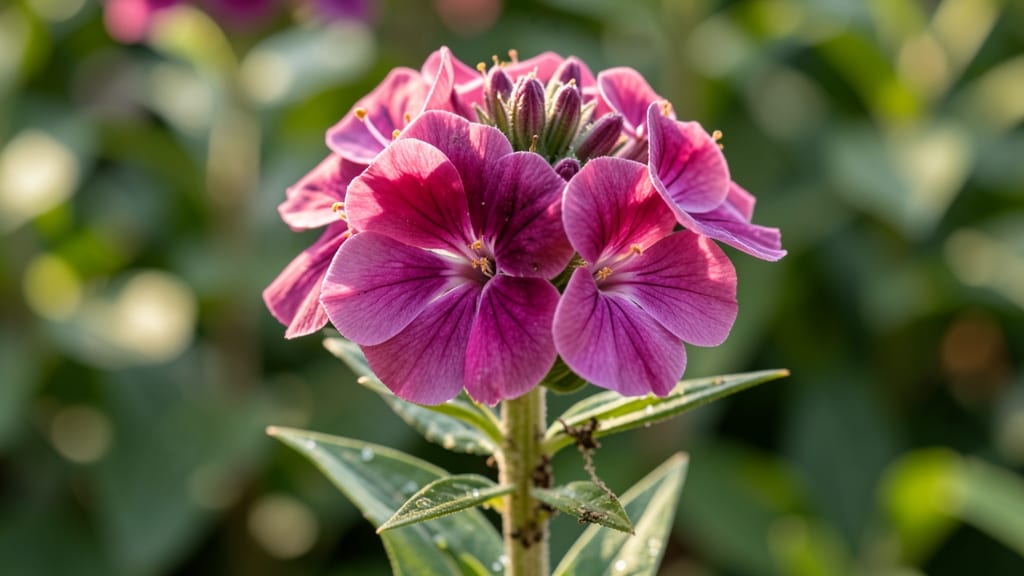
For deer-resistant garden phlox varieties, choose David, Lipstick, Blue Moon, Starfire, or Attraction, as their strong scents, fuzzy foliage, or milder leaf profiles deter browsing. These thrive best in well-drained soil with partial shade.
Deer tend to avoid phlox with intense fragrances or coarse textures, as these make them less appealing for nibbling. 🌿 The varieties listed stand out because their foliage either smells too strong (like Lipstick phlox) or feels too fuzzy (like David) for deer to find palatable.
What’s interesting is that even milder-tasting options like Blue Moon often escape deer attention due to their compact growth habit, which makes them harder to reach. Pairing these with garlic or lavender in your garden beds can further confuse deer and protect nearby plants.
These deer-resistant phlox varieties aren’t just tough—they’re also stunning in late-summer gardens. Their vibrant blooms attract pollinators while their foliage remains largely untouched by hungry wildlife. For best results, plant them in clusters near pathways or borders, where their height (typically 2-3 feet) creates a natural barrier.
Just be sure to deadhead spent blooms in early fall to encourage next year’s growth.
💡 In This Article
- Why Deer Avoid Certain Phlox Varieties
- Planting and Care Tips for Deer-Resistant Phlox
Why deer avoid certain phlox varieties
Deer have an incredibly sensitive sense of smell—up to 100 times stronger than humans—and they rely on it to identify safe plants to eat. Phlox varieties like Lipstick and Starfire produce strong, almost spicy fragrances that deer find unpleasant.
The essential oils in these plants, particularly eugenol (also found in cloves), create a scent profile that repels browsing. 🌿 Even when hungry, deer will often pass by these varieties because the aroma triggers their natural avoidance instincts, similar to how they steer clear of strongly scented herbs like rosemary.
The texture of phlox foliage plays a crucial role too. Varieties like David phlox have fuzzy, downy leaves that feel coarse to the touch, making them less appealing than smooth, tender plants.
Deer prefer foliage that's easy to chew and digest, and the trichomes (hair-like structures) on fuzzy phlox leaves create a physical barrier that deters nibbling.
In contrast, deer-resistant Blue Moon phlox has milder foliage but grows in compact, dense clumps that are harder for deer to reach—its 3-4 foot height makes it less accessible than shorter, sprawling varieties.
Plant chemistry also factors in. Many deer-resistant phlox contain iridoid glycosides, compounds that give them a slightly bitter taste when ingested. While not toxic, these chemicals create an unpleasant experience that teaches deer to avoid them.
For example, Attraction phlox contains higher levels of these compounds than more vulnerable varieties, making it a top choice for high-traffic garden areas. The combination of scent, texture, and mild toxicity creates a multi-layered defense system that most deer find too much to overcome.
Color and bloom structure matter too. Deer are less likely to target phlox with vibrant, showy flowers because the bright hues often signal the presence of protective compounds. Starfire phlox, with its fiery red blooms, stands out in this way—its intense color acts as a visual deterrent.
Meanwhile, varieties with clustered blooms (like Blue Moon) create a dense canopy that makes it difficult for deer to access the stems and leaves below.
What most gardeners don't realize is that deer behavior shifts with the season. In late summer, when deer are searching for high-protein foliage, they're more likely to target tender new growth.
This is why early spring planting of deer-resistant varieties gives them a head start—by the time deer become more active, the phlox has already established its defensive traits (scent, texture, and chemical makeup). 🌸
For maximum protection, consider planting deer-resistant phlox in small groups of 3-5 plants rather than isolated clumps. This creates a visual and olfactory barrier that confuses deer and makes the plants less appealing targets. The collective scent and texture of multiple plants work synergistically to reinforce their deer-repelling properties.