
Tools
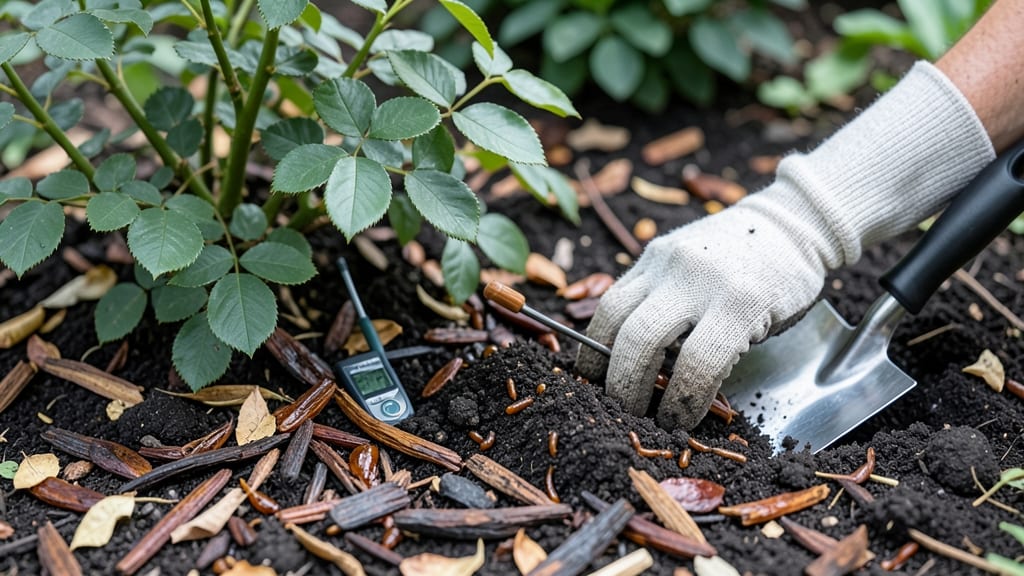
Creating garden soil for roses means blending a slightly acidic, nutrient-rich mix (pH 6.0–6.5) with organic matter like compost or aged manure, plus a loamy texture that promotes drainage while preventing root rot for lush, healthy blooms.
Roses are picky about their growing conditions, and soil composition plays a huge role in their health. 🌹 The ideal mix should mimic their natural habitat—well-aerated yet moisture-retentive—while providing essential nutrients. Organic matter like compost or worm castings boosts microbial activity, which helps roots absorb water and minerals more efficiently.
I’ve found that adding perlite or coarse sand improves drainage, especially in clay-heavy soils, while peat moss helps maintain that slightly acidic pH. The goal is to create a balance where roses can spread their roots deeply without sitting in soggy conditions that invite disease.
Don’t overlook seasonal adjustments either. In spring, top-dressing with a slow-release fertilizer or bone meal gives roses a nutrient boost for the growing season. By summer, I often mix in a bit of sand to keep the soil from compacting under heat stress.
The key is consistency—roses reward patience with stronger stems, bigger blooms, and fewer pests when their soil stays in that perfect sweet spot.
💡 In This Article
- Ideal pH and Soil Composition for Rose Growth
- DIY Organic Rose Soil Mix Recipes for Healthy Blooms
Ideal pH and soil composition for rose growth
Roses thrive in soil with a slightly acidic pH range of 6.0–6.5 because their roots can more efficiently absorb essential nutrients like phosphorus and iron in this range.
At lower pH levels (below 6.0), aluminum and manganese become toxic, stunting growth, while higher pH (above 6.5) locks out vital micronutrients like zinc and copper. Think of it like a lock-and-key system: the right pH unlocks the nutrients roses need to produce vibrant blooms and strong stems. 🌹
The soil's organic matter content—typically 20–30%—acts like a sponge, holding moisture and nutrients while preventing compaction. Compost or aged manure introduces beneficial microbes that break down organic material into plant-accessible forms. For example, worm castings contain enzymes that improve nutrient uptake, while peat moss helps maintain that crucial acidity.
The texture should be loamy, meaning it combines equal parts sand, silt, and clay to balance drainage and water retention. Sandy soils drain too quickly, while clay soils hold excess moisture, both of which stress rose roots.
Root health directly impacts bloom production. Roses with access to well-aerated soil can develop extensive root systems that reach 3–5 feet deep in search of water and nutrients. This deep growth supports the heavy weight of blooms and prevents them from toppling over in wind or rain.
The ideal soil also maintains a 50–70% porosity, allowing oxygen to reach roots—a critical factor for preventing root rot, which is the #1 killer of roses in poorly drained soils.
Seasonal variations matter too. In spring, roses benefit from a 1–2 inch layer of compost mixed into the topsoil to replenish nutrients after winter dormancy.
By summer, adding coarse perlite or sand (10–20%) prevents soil from becoming compacted under heat, while autumn calls for a slow-release fertilizer to prepare roots for winter. These adjustments ensure roses get the right balance of nutrients and aeration throughout their growing cycle.
Consider this comparison: A clay-heavy soil might hold 40–50% moisture after rain, while a sandy mix drains to 10–20% moisture—both extremes stress roses. The perfect blend keeps moisture at 30–40%—enough to hydrate roots without suffocating them.
This balance is what transforms a good garden into a rose paradise, where blooms thrive season after season.