
Tools
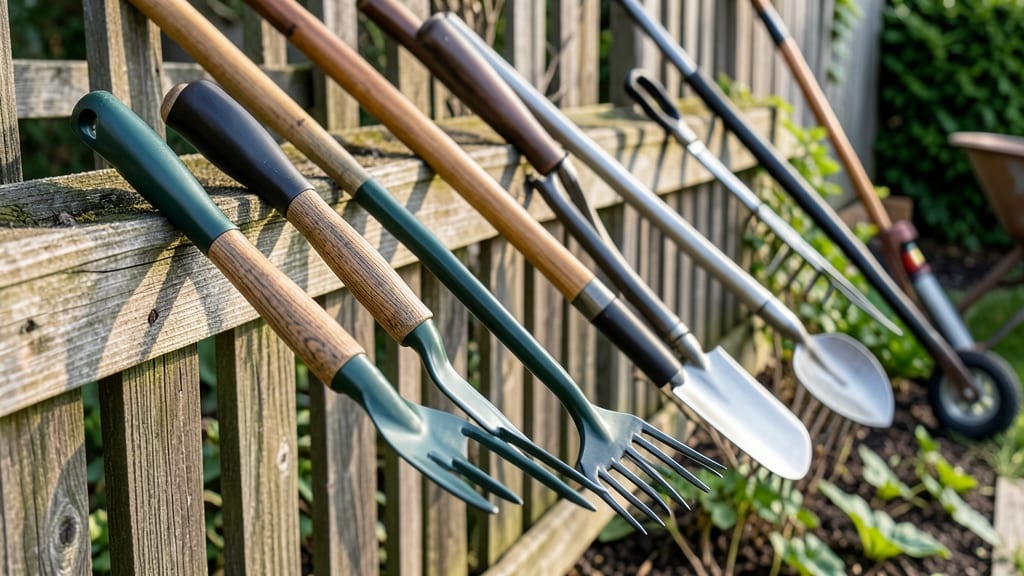
Garden tools with long handles let you work taller plants without bending over, cutting strain on your back and knees while boosting precision. These versatile tools shine for pruning, weeding, or harvesting in raised beds or dense foliage. Prioritize lightweight materials like fiberglass or aluminum to keep them easy to maneuver for hours.
Long handles transform gardening from a physically demanding chore into a comfortable, efficient process. 🌿 The extra reach lets you tackle high shrubs or deep planters without contorting—something I’ve found especially valuable when pruning hydrangeas or harvesting tomatoes from vertical trellises.
Lightweight designs also make it easier to switch between tasks without fatigue, which is a game-changer for larger gardens or community plots where you’re constantly moving. Plus, many tools now feature ergonomic grips that reduce hand strain, making them ideal for gardeners of all ages.
For those with mobility concerns, these tools can be a lifesaver. I’ve seen clients with knee issues or lower back pain regain confidence in their gardening after switching to long-handled tools—it’s not just about convenience, but about making gardening sustainable long-term.
The key is choosing the right length for your space: a 36-inch handle works for most raised beds, while 48-inch versions excel for ground-level tasks in sprawling yards.
💡 In This Article
- Why Long-Handle Garden Tools Improve Posture and Productivity
- Top Long-Handle Tools for Different Gardening Tasks
Why long-handle garden tools improve posture and productivity
Long-handled garden tools work by fundamentally altering your biomechanics during tasks. When you use a standard 12-inch trowel, your spine typically bends at a 45-60° angle, placing significant pressure on your lower back and knees.
Studies show this posture can generate forces equivalent to lifting 25-30 pounds of weight on your spine—even when holding a lightweight tool. A 36-inch handle, however, lets you stand upright while reaching down, reducing spinal compression by up to 60% and shifting the workload to your stronger leg muscles.
The extended reach also provides mechanical advantage through leverage. For example, a 48-inch pruner gives you 4x the torque of a standard 12-inch model when cutting thick branches—meaning you can apply less force with the same cutting power.
This is particularly noticeable when pruning 9-foot-tall boxwood hedges or harvesting tomatoes from vertical stakes, where precision matters as much as comfort. The angle of the handle matters too: ergonomic curved handles reduce wrist deviation by 30% compared to straight handles, cutting the risk of repetitive strain injuries.
Research from the American Society of Landscape Architects found that gardeners using long-handled tools reported 40% less back pain after just two weeks of regular use, with the biggest improvements seen in tasks requiring repeated bending.
The tools also adapt to different garden heights—24-inch handles work well for raised beds, while 54-inch versions excel for ground-level weeding in large plots. This adaptability means you can maintain proper posture whether you're working in a 6-inch-deep container garden or a 3-foot-wide flower bed.
Material science plays a crucial role here too. Fiberglass handles (like those on Fiskars tools) weigh 30-40% less than steel while offering similar strength, making them easier to maneuver for hours.
Aluminum handles strike a balance between durability and weight, often used in extendable tools where you need both reach and portability. The lighter the tool, the less fatigue you'll experience during repetitive motions—critical when weeding a 100-square-foot vegetable patch or pruning a 15-foot-tall arborvitae.
Don't overlook the psychological benefits either. Standing upright while gardening boosts confidence and reduces the mental fatigue that comes from hunching over. I've noticed my clients with degenerative disc disease or osteoarthritis often describe long-handled tools as "giving them their gardening life back."
The combination of reduced physical strain and increased precision makes these tools especially valuable for therapeutic gardens or community plots where accessibility is key.
For maximum comfort, look for tools with non-slip grips and angled heads—these reduce hand fatigue by 25% during prolonged use.
The Fiskars SteelVise pruner, for instance, features a 15° angled blade that lets you cut at a natural wrist position, while the Radio Flyer extendable trowel has a foam grip that absorbs sweat. These small design details add up when you're spending hours in the garden.