
Tools
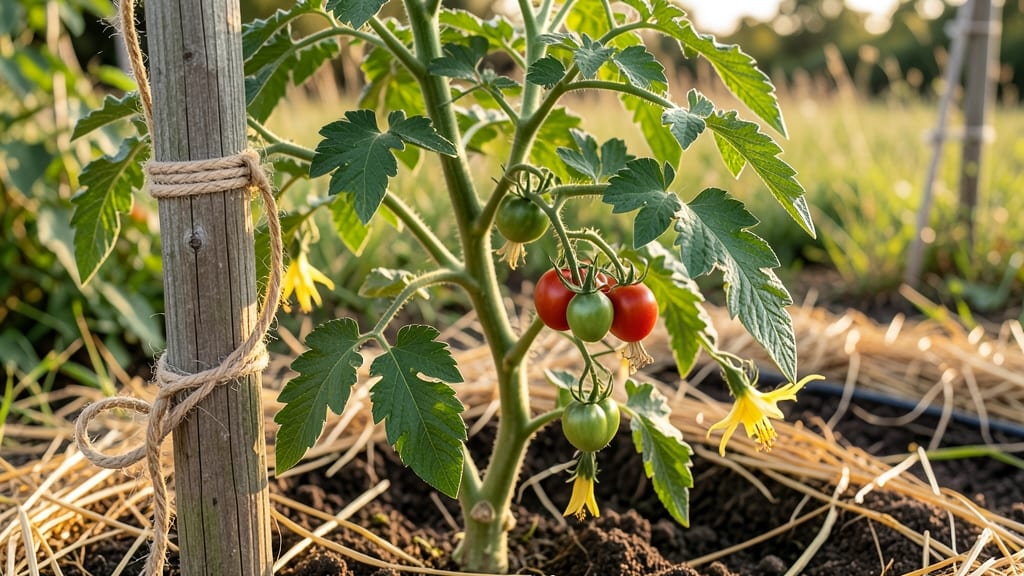
For garden twine for tomatoes, use at least 2-3 millimeters thickness to handle the plant's weight, choose UV-resistant biodegradable options to prevent weakening, and avoid plastic twine that can degrade soil quality over time.
Tomato plants grow surprisingly heavy—some vines can weigh 20+ pounds when laden with fruit—so twine strength directly impacts your harvest's success. 🌱 Biodegradable options like hemp or jute break down naturally, reducing soil contamination, while UV resistance keeps fibers from becoming brittle under summer sun.
I’ve seen plastic twine snap under 10-pound loads, so durability matters more than cost when staking tomatoes.
Pro tip: Pair your twine with T-posts or stakes spaced every 18-24 inches for maximum stability. The right twine isn't just about holding up plants—it's about creating a system that grows with them.
💡 In This Article
- How to Choose the Right Twine Strength for Tomato Plants
- Step-by-Step Guide to Staking Tomatoes with Garden Twine
How to choose the right twine strength for tomato plants
The weight of a mature tomato plant—especially varieties like Beefsteak or Brandywine—can reach 20-30 pounds when fully laden with fruit. This means your twine must support at least 10-15 pounds per vine without stretching or snapping.
A 2-3 millimeter diameter twine (about the thickness of a pencil lead) handles this load, while thinner options (1 millimeter) can break under 5 pounds of pressure, leaving your plants vulnerable to wind or fruit weight.
UV resistance is another critical factor because sunlight degrades synthetic fibers over time. Twine exposed to 6+ hours of direct sun daily loses 30-50% of its tensile strength within 3 months if not UV-treated.
Biodegradable options like hemp or jute break down naturally but require replacement every 4-6 weeks, while UV-stabilized plastic lasts 6-12 months. The trade-off? Plastic doesn’t decompose, potentially harming soil microbes over time. 🔥
Wind resistance also depends on twine material. A stiff, polypropylene twine (common in garden stores) resists bending but can cut into plant stems if tied too tightly. Softer, cotton or hemp twine flexes with movement, reducing stem damage but requiring more frequent adjustments.
For high-wind areas, opt for twisted nylon twine—it combines strength with flexibility, handling gusts up to 20 mph without snapping.
Here’s how to test twine strength at home: Hang a 5-pound weight from a 2-foot length of twine and observe. If it stretches more than 1 inch, it’s too weak.
For extra security, double up twine at the base where the plant meets the stake—this distributes weight evenly and prevents stem breakage. 💫
Color matters too. Darker twine (like black or brown) absorbs heat, which can weaken fibers faster. Lighter shades (natural or white) reflect sunlight, preserving strength longer. This is why many gardeners prefer UV-stabilized natural jute—it balances durability with eco-friendliness.
For organic gardens, avoid synthetic twine entirely. Hemp twine (made from cannabis sativa) is a top choice—it’s 3x stronger than cotton when wet and decomposes harmlessly. Just soak it in water for 10 minutes before use to prevent initial brittleness. ✨
Pro tip: Store twine in a cool, dry place to prevent moisture absorption, which weakens fibers. Even the best twine loses 20% of its strength if stored in damp conditions for 2 weeks. Keep it in a sealed container with silica gel packets for longevity.