Plants
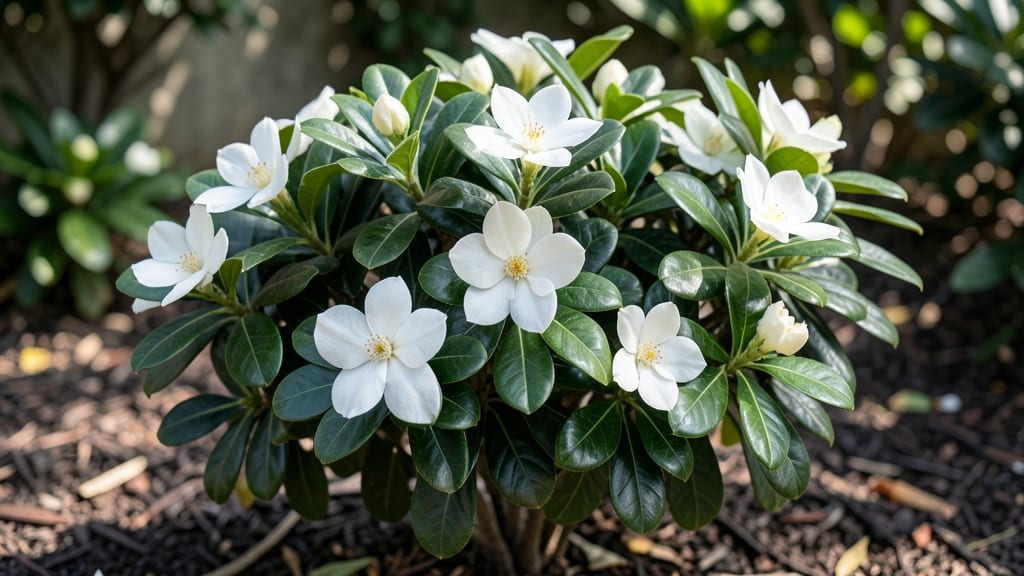
Gardenia plants typically grow between 3 and 6 feet tall 🌸, with some varieties staying as short as 1 to 2 feet—so your garden space can handle them, whether you want a fragrant hedge or a statement shrub.
If you’re dreaming of fragrant gardenias but worried about space, knowing their mature size is the first step to perfect placement—some varieties stay compact while others stretch tall like elegant sentinels.
Most common types, like the beloved Gardenia jasminoides, reach 4 to 5 feet at maturity, with a spread of 2 to 4 feet, making them ideal for small yards or containers.
Meanwhile, dwarf varieties like Radicans stay under 2 feet but spread wider, perfect for borders or window boxes.
Below, I’ll break down how sunlight, pruning, and soil affect their growth, plus tips to keep them the exact size you want—whether that’s a neat 3-foot shrub or a towering focal point.
Gardenia plant size by variety: height & spread guide
When planning your garden, knowing how big gardenia plants get helps you choose the right variety for your space. Gardenias (Gardenia jasminoides and relatives) typically grow as compact shrubs or small trees, with mature sizes ranging from just 1 foot tall to over 6 feet.
Their spread can vary just as dramatically, influencing everything from container choices to garden bed layouts.
The most popular gardenia, Gardenia jasminoides, usually reaches 3 to 5 feet tall with a similar spread, making it ideal for foundation plantings or as a focal point in mixed borders.
However, some varieties—like dwarf gardenias—stay under 2 feet, perfect for patios or window boxes. Understanding these differences ensures you pick a plant that fits your vision without overpowering your space.
Below is a quick reference for common gardenia varieties and their mature sizes, including growth habits like bushy mounds or upright forms. This will help you visualize how each variety will look in your garden before you plant.
If you're working with limited space, dwarf varieties like Gardenia augusta or 'Radicans' are excellent choices. These stay under 3 feet tall and can even thrive in 15-gallon containers, making them perfect for balconies or small yards.
Just ensure your container has drainage holes to prevent root rot, which is a common issue with gardenias.
For larger gardens, Gardenia jasminoides 'Veitchii' or Gardenia thunbergia can create stunning focal points. The climbing habit of Gardenia thunbergia makes it ideal for training along fences or trellises, adding vertical interest without taking up ground space.
However, these varieties require regular pruning to manage their size and encourage dense foliage.
One factor that often surprises new gardeners is how soil and sunlight influence mature size. Gardenias grown in partial shade with acidic, well-draining soil (pH 5.0–6.5) tend to grow more compactly and produce more blooms.
In contrast, full sun exposure can lead to leggier growth and fewer flowers, while poor soil conditions may stunt growth entirely. Always amend your soil with organic matter like peat moss or compost to support healthy development.
Pruning plays a crucial role in controlling gardenia size. For bushier varieties, prune just after flowering to shape the plant and encourage new growth. For upright or climbing types, prune in late winter to remove dead wood and redirect energy to the main stems.
Avoid heavy pruning in summer, as this can stress the plant and reduce blooming potential. With the right approach, you can keep even the largest gardenias in check while maintaining their fragrant beauty.
Another consideration is how gardenias spread underground. Many varieties, especially Gardenia radicans, send out rhizomes that can spread several feet over time. If you're planting near walkways or hardscapes, consider installing a root barrier to contain their growth.
This is particularly important in warm climates where gardenias thrive year-round and can become invasive if left unchecked.
For container gardening, choose varieties based on your pot size. A 5-gallon container can comfortably hold a dwarf gardenia for 2–3 years before needing repotting, while a 15-gallon container can support a standard-sized gardenia for 4–5 years.
Always use a lightweight, well-draining potting mix and fertilize monthly during the growing season to promote steady growth.
Whether you're a first-time gardener or a seasoned pro, understanding gardenia plant size by variety ensures you select the perfect plant for your space.
From compact patio varieties to tall climbing beauties, there’s a gardenia to suit every garden—just match it to your layout and care routine for the best results. 🌸
How Gardenia growth habits affect your garden layout
Understanding how gardenias grow helps you design a space that highlights their natural beauty while keeping your garden functional. Compact varieties like Gardenia augusta thrive in containers or small garden beds, while larger types such as Gardenia jasminoides need room to spread their glossy leaves and fragrant blooms.
The key is matching the plant’s mature size to your layout—whether you’re working with a patio, courtyard, or backyard.
For example, a 3-foot-tall gardenia fits perfectly in a window box or as a focal point in a mixed border, while a 6-foot specimen can anchor a shaded corner or serve as a privacy screen.
Even their growth habits differ: some grow bushy and rounded, while others stretch upward like small trees. Let’s explore how to use these traits to your advantage.
| Variety | Mature Height | Spread | Best For |
| Dwarf Gardenia | 1–2 ft | 2–3 ft | Containers, borders |
| Gardenia jasminoides | 3–6 ft | 3–5 ft | Privacy screens, focal points |
| Gardenia augusta | 2–4 ft | 2–4 ft | Patios, mixed beds |
If you’re growing gardenias in containers, choose dwarf varieties like Gardenia augusta or prune standard types to keep them manageable. A 15–20 gallon pot works well for most gardenias, with drainage holes to prevent root rot.
Place containers where they’ll receive morning sunlight and afternoon shade—this mimics their natural habitat and encourages abundant blooming.
For larger gardenias, pruning in late winter or early spring helps control height and shape. Trim back overgrown branches by one-third to promote bushier growth and more flowers. Avoid heavy pruning after summer, as this can reduce next year’s blooms.
Pair your gardenias with companion plants like impatiens or ferns to enhance fragrance dispersion and create a lush, layered look.
Fragrance is a gardenia’s signature, so position them where you’ll enjoy their scent—near seating areas, walkways, or open windows. Plant them 3–5 feet apart to allow airflow, which reduces disease risk and keeps blooms healthy.
In smaller spaces, use espalier techniques to train gardenias along trellises or walls, saving space while adding vertical interest.
Remember, gardenias grow best in acidic, well-draining soil with consistent moisture. Mulch around the base to retain humidity and suppress weeds, which can compete for nutrients. With the right placement and care, your gardenias will thrive—whether they’re the stars of a container garden or the centerpiece of a shaded border.