
Tools
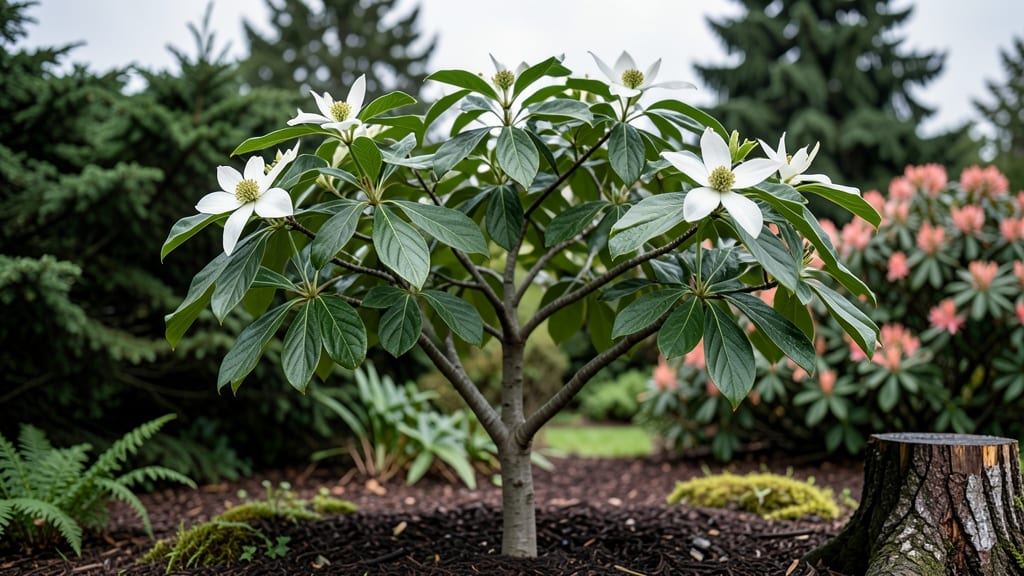
Gardening in Vancouver WA thrives in USDA Zones 8-9, where mild winters and wet springs create ideal conditions for perennials like rhododendrons, camellias, and ornamental grasses. Focus on spring planting for annuals and summer mulching to retain moisture in the region’s humid climate.
Vancouver WA's climate is a gardener's dream—mild enough to extend growing seasons but with enough rain to keep plants thriving. 🌿 The city's USDA Zones 8-9 mean you can grow a wide range of plants, from cold-hardy shrubs to tender annuals, with minimal winter damage.
The key is working with the region's natural rhythms: plant cool-season crops in early spring before the heat peaks, and use organic mulch to protect roots during our occasional dry spells. Local nurseries often carry region-specific varieties that handle our humidity and occasional summer droughts better than generic plants.
What sets Vancouver apart is its microclimates—river valleys stay cooler, while hillside gardens get more sun exposure. This means your neighbor's thriving garden might need different care than yours.
I always recommend testing your soil pH (especially for acid-loving plants like azaleas) and adjusting watering schedules based on whether you're in a shaded or sunny spot. The Pacific Northwest's reputation for rain doesn't mean you can neglect water management—summer irrigation is crucial for maintaining vibrant blooms and healthy vegetables.
💡 In This Article
- Understanding Vancouver WA’s Planting Zones and Microclimates
- Seasonal Planting and Maintenance Calendar for Vancouver Gardens
Understanding Vancouver WA’s planting zones and microclimates
Vancouver WA’s classification as USDA Zones 8-9 reflects its mild winters where average annual minimum temperatures range between 10°F and 20°F. This means hardy plants like rhododendrons and camellias thrive year-round, while tender varieties like citrus or bougainvillea require winter protection.
The Pacific Northwest’s maritime climate softens extremes—frost occurs rarely after November 15 and typically ends by March 15, giving gardeners a 200+ frost-free day season. 🌱
Microclimates play a crucial role here. River valleys like those near the Columbia River maintain cooler temperatures year-round due to water’s heat-absorbing properties, while hillside gardens in areas like Hazel Dell experience 5-10°F warmer daytime highs.
Elevation shifts matter too—every 1,000 feet gained can drop hardiness by one zone. Test your specific location by monitoring frost patterns for 3 years, as local topography creates surprising variations even within neighborhoods.
The region’s high humidity (80-90% in summer) affects plant selection dramatically. Fungal diseases like powdery mildew thrive in this environment, so prioritize airflow-enhancing layouts and disease-resistant varieties. Acidic soils (pH 5.0-6.5) suit evergreens and berries, while alkaline amendments help roses and lavender flourish.
Soil prep should include composted leaf mold—a local favorite that mimics the forest floor’s natural structure and improves drainage.
What most gardeners overlook is how summer heat islands develop in urban areas. Pavement and buildings can raise temperatures by 5-10°F compared to rural zones, stressing heat-sensitive plants.
Choose drought-tolerant natives like salmonberry or Oregon grape for these microclimates, and always mulch with 3-4 inches of organic material to regulate soil temperature. The key is matching plant needs to your specific corner of Vancouver’s diverse landscape.
For accurate zone verification, check the USDA Plant Hardiness Map and cross-reference with local data from WSU Extension (Washington State University). Their 10-year frost records reveal that Hazel Dell averages 12 frost nights/year while Downtown Vancouver sees 20+.
This precision helps explain why your friend’s olive tree survives while yours struggles—it’s not just luck, but location science. 🌿