
Tools
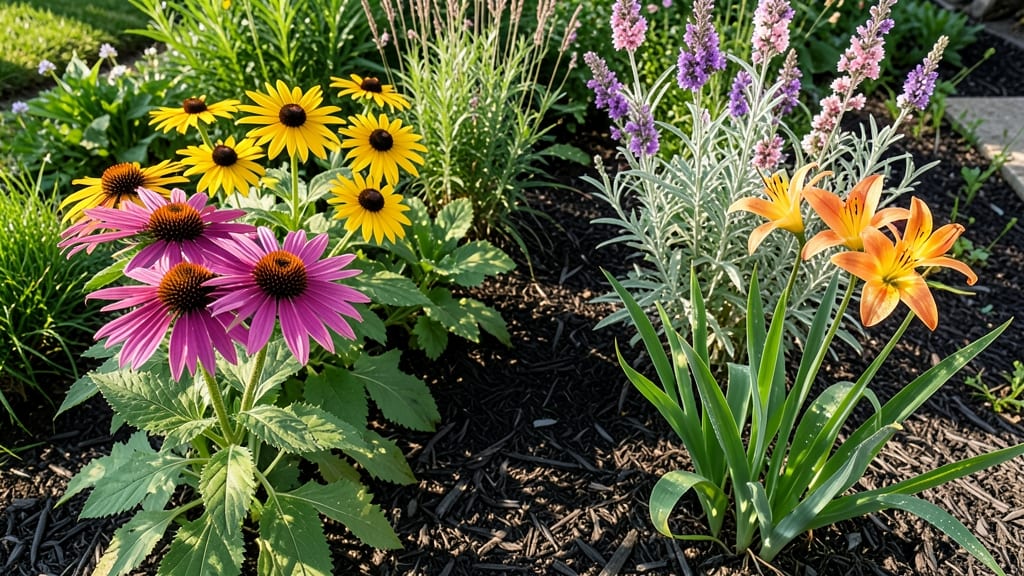
Garden Zone 7 provides ideal growing conditions where warm-season favorites like tomatoes, peppers, and okra flourish year-round, while cool-season crops such as broccoli and spinach perform best in early spring or fall. With last frost dates typically falling between March 15 and April 15, and first frosts arriving November 15 to December 15, gardeners enjoy extended planting windows.
This temperate climate—often with 60-90 frost-free days—creates a perfect balance for diverse gardening. 🌱 The region's moderate humidity and well-distributed rainfall support both vegetables and ornamental plants, though microclimates can vary significantly.
For example, coastal areas may experience milder winters, while inland spots can see occasional cold snaps. Understanding these local variations helps gardeners select the right varieties and timing for their specific location.
Zone 7's extended growing season means you can experiment with successive plantings of fast-maturing crops like lettuce or radishes, maximizing your harvest. The key is planning around those frost dates—starting cool-season crops in early spring or late summer ensures they mature before winter sets in.
I've found that keeping a detailed planting journal helps track what works best in your particular microclimate each year.
💡 In This Article
- Climate Characteristics of USDA Zone 7 and Plant Adaptability
- Seasonal Planting Calendar for Zone 7 Gardens
Climate characteristics of USDA Zone 7 and plant adaptability
Zone 7's climate thrives on its moderate temperature extremes, typically ranging from -10°F to 10°F in winter to 80°F to 90°F in summer. This range creates an ideal environment for plants that need warmth to flourish but can tolerate occasional cold snaps.
For example, warm-season crops like tomatoes and peppers require consistent temperatures above 55°F to germinate, while cool-season crops such as spinach and broccoli grow best when daytime temperatures stay below 75°F. The extended frost-free period—often 200 to 240 days—allows for multiple planting cycles in a single season. 🌿
The region's humidity levels also play a critical role in plant health. Coastal areas in Zone 7, like parts of Virginia or North Carolina, often experience higher humidity (around 70-80%), which can encourage fungal diseases in plants like tomatoes if airflow isn't managed properly.
In contrast, inland areas may have lower humidity (50-60%), making them better suited for drought-tolerant plants like okra or rosemary. Rainfall averages 30-50 inches annually, providing ample moisture for most crops, though drought-resistant varieties are still recommended during dry spells.
Microclimates further refine these conditions—south-facing slopes, for instance, can be 5-10°F warmer than shaded areas, extending the growing season for heat-loving plants.
Understanding these climate nuances helps gardeners select the right plants for their specific location. For example, heat-tolerant tomato varieties, such as 'Celebrity' or 'Solar Fire,' perform exceptionally well in Zone 7's summer heat, while cold-hardy greens like kale or Swiss chard can withstand early spring frosts.
The key is matching plant hardiness zones (e.g., Zone 7a vs. 7b) with your local frost dates—Zone 7a (average minimum -10°F) may require more winter protection than Zone 7b (-5°F). This precision ensures plants not only survive but thrive in your garden's unique conditions. 🌡️
Seasonal variations also dictate plant adaptability. During spring, when temperatures hover around 50-60°F, cool-season crops like peas and lettuce germinate quickly, while summer's 85-95°F heat triggers the fruiting phase in tomatoes and peppers.
Fall brings a gradual cooling trend, allowing for a second planting of cool-season crops before the first frost. This cyclical pattern is why Zone 7 gardeners can enjoy year-round harvests with careful planning—warm-season crops in summer, cool-season crops in spring and fall, and even overwintering options like garlic or onions.
The science behind this adaptability lies in how plants respond to photoperiod (day length) and temperature cues, triggering growth or dormancy at precise times.
Microclimates add another layer of complexity. A garden nestled in a valley might experience 2-3 weeks longer frost-free periods than one on a hilltop, while a south-facing wall can create a mini greenhouse effect, allowing for earlier spring plantings.
These variations mean gardeners should observe their specific conditions for at least 3 years to identify patterns. For instance, if your garden retains heat longer in spring, you might safely plant tomatoes by April 15 instead of waiting for the average last frost date.
This localized knowledge turns Zone 7's general climate advantages into personalized gardening success. 🌱
Finally, soil type interacts with these climate factors. Zone 7's well-drained, loamy soils (common in many areas) support a wide range of plants, but sandy soils in coastal regions may require amendments to retain moisture, while clay soils inland might need organic matter to improve drainage.
Testing your soil's pH (ideal range for most vegetables is 6.0-7.0) and nutrient levels ensures plants can access the resources they need to adapt to the climate. For example, blueberries thrive in acidic soil (pH 4.5-5.5), while most vegetables prefer neutral to slightly acidic conditions.
This attention to detail bridges the gap between Zone 7's broad climate characteristics and the specific needs of individual plants. 💡