
Planting
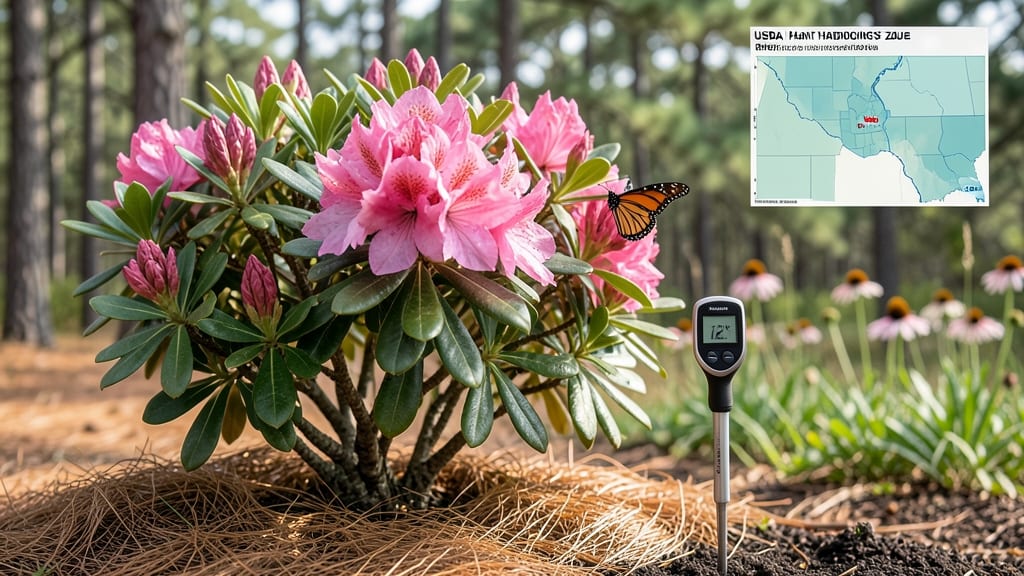
North Carolina's gardening zones span from 5b to 8b, with the majority of the state situated in zones 7a through 8a. These classifications guide when to plant, what plants thrive, and how late-season frosts impact your garden's success.
Understanding these zones helps you match plants to your local climate.
For example, zones 5b-6a in the mountains handle cooler temperatures, making them ideal for hearty crops like potatoes and cabbage, while zones 7b-8b along the coast support heat-loving vegetables such as okra and sweet potatoes. 🌱 The USDA system also affects flowering times—azaleas bloom earlier in cooler zones but may struggle in hotter southern regions.
I always check my local zone before buying perennials to avoid disappointment.
These zones also dictate your frost-free dates, which are critical for warm-season crops. In zone 7a, for instance, you can plant tomatoes after mid-April, while zone 8b gardeners might start as early as February.
The variation across NC means what works in Raleigh won't always thrive in Asheville or Wilmington. Knowing your zone helps you plan for both timing and plant selection with confidence.
💡 In This Article
- How North Carolina’s Climate Zones Affect Plant Selection
- Best Crops and Plants for Each North Carolina Gardening Zone
How North Carolina’s climate zones affect plant selection
The USDA Plant Hardiness Zone Map divides North Carolina into distinct thermal regions based on average annual minimum temperatures. These zones—ranging from 5b in the highest mountain peaks to 8b along the coast—create microclimates where certain plants thrive while others fail.
For example, the 10°F difference between zone 5b (average lows of -15°F to -10°F) and zone 8b (average lows of 15°F to 20°F) means mountain gardeners can grow cold-hardy rhododendrons, while coastal gardeners must choose heat-tolerant varieties like crape myrtles.
This temperature gradient directly impacts frost dates, with 100-150 fewer frost-free days in the mountains compared to the coast.
What makes North Carolina unique is its dramatic elevation changes—Mount Mitchell's 5b zone sits just 70 miles from Charlotte's 7b, creating sharp contrasts in growing conditions.
The Appalachian foothills (zones 6a-7a) experience earlier springs and later falls, allowing for extended growing seasons, while the Piedmont (7b-8a) faces hotter summers that demand drought-resistant plants.
These variations explain why azaleas flourish in the mountains but may struggle in the heat of the Coastal Plain, where 90°F+ temperatures for prolonged periods stress many temperate species. The zone system essentially acts as a climate decoder for plant survival.
For gardeners, understanding these zones translates to smarter planting decisions. In zone 5b, for instance, you'll want to select perennials like coneflowers that survive -15°F winters, while zone 8b gardeners can experiment with tropical plants like hibiscus that wouldn't survive mountain winters.
The 14-day average temperature used in zone calculations also helps predict when to plant cool-season crops—spinach in zone 6a might need to go in by mid-August to mature before frost, while zone 8b gardeners can plant it as late as October.
This precision prevents wasted effort on plants that won't survive your local conditions.
Another critical factor is how zones influence soil temperatures and moisture retention. Higher elevations (zones 5b-6b) often have cooler soils that delay spring planting, while lower elevations (7b-8b) may require shade cloth for heat-sensitive crops.
The 300-foot elevation rule suggests that for every 300 feet you climb, temperatures drop about 1°F, creating microclimates even within small areas. This is why a backyard in Asheville (6b) might need different care than one just 20 miles away in Hendersonville (7a).
The zone system helps account for these variations.
Consider how these zones affect flowering times—a key factor for pollinators. In zone 7a, dogwoods typically bloom in early April, while in zone 8b, they may flower as late as mid-May. This one-month difference impacts which pollinators are active when flowers emerge.
Similarly, vegetable maturity dates shift: broccoli might take 75 days in zone 6a but only 60 days in zone 8a due to warmer temperatures accelerating growth. These details explain why seed packets often include zone recommendations—your local climate isn't just about survival, but optimal performance.
What most gardeners overlook is how zones interact with other climate factors like humidity and rainfall. The Coastal Plain (7b-8b) receives 48-52 inches of rain annually, while the mountains (5b-6b) get 36-44 inches.
This affects watering needs—coastal gardens may need drought-tolerant varieties like yucca, while mountain gardens benefit from moisture-loving plants like hostas. The zone system provides the temperature framework, but successful gardening requires layering in these additional variables for truly thriving plants. 🌿