
Shrubs
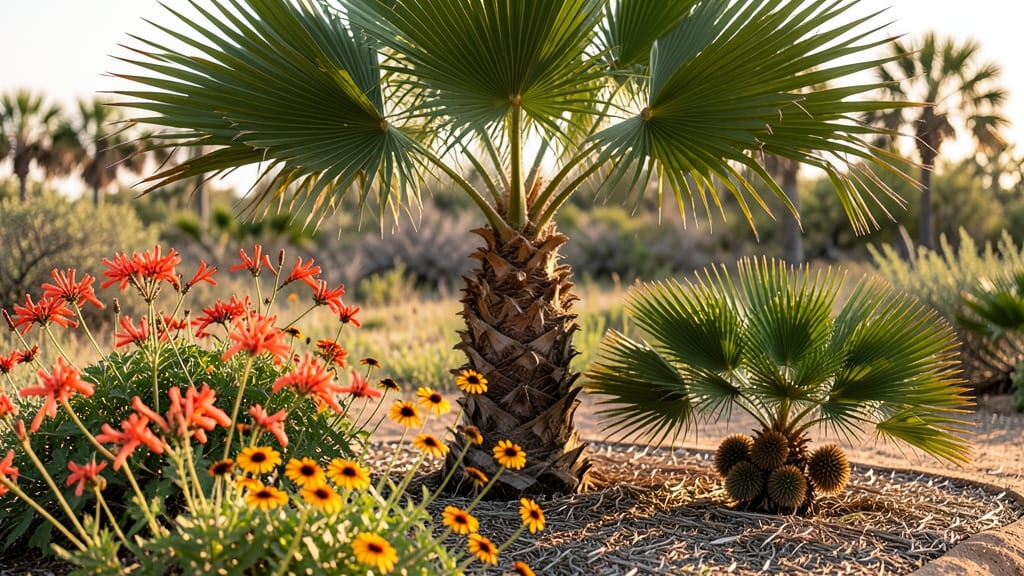
Understanding Florida gardening zones is essential because they range from 8a to 11, with the northern panhandle in cooler 8a-9b and the Keys in tropical 11. The frost-free season spans 240-365 days, dictating year-round planting for most tropical and subtropical species while requiring frost-tolerant varieties in northern areas.
Florida's gardening zones create a unique growing environment where tropical and subtropical plants thrive year-round in most areas. 🌿 The longer frost-free periods in zones 10 and 11 allow for continuous planting cycles, while northern regions like 8a-9b still support a wide variety of cold-hardy shrubs and perennials.
What sets Florida apart is how quickly temperatures shift between zones—just a few miles inland can mean a 5°F difference in winter lows. This variability means gardeners must consider both their specific zone AND microclimates created by elevation, water bodies, or urban heat islands.
For shrubs specifically, this means selecting varieties that match both your zone AND your site conditions. Camellias and gardenia flourish in 8a-9b, while hibiscus and bougainvillea dominate 10a-11 landscapes.
The key is understanding how these zones interact with Florida's humidity and seasonal rainfall patterns—some plants that handle heat well may struggle with the constant moisture found in coastal areas.
💡 In This Article
- How Florida’s Microclimates Affect Plant Hardiness Zones
- Best Plants for Each Florida Gardening Zone
How Florida’s microclimates affect plant hardiness zones
Florida’s plant hardiness zones aren’t just about temperature—they’re shaped by a complex interplay of humidity, coastal breezes, and inland heat islands.
The USDA zone map shows zones 8a-11, but what it doesn’t capture is how a 3-mile drive from the coast to inland Orlando can shift winter lows by 8°F.
Coastal areas like Miami (zone 11) experience moderating ocean breezes that prevent hard freezes, while inland Gainesville (zone 8b) can see 20°F nights that kill tender tropicals. This coastal-inland gradient creates microclimates where zone boundaries become less important than local conditions.
The real game-changer is humidity—Florida’s 80-90%+ relative humidity year-round affects plant stress differently than drier climates.
For example, a 32°F night might not harm a zone 9a shrub like murraya paniculata in Tampa, but the same temperature paired with 60% humidity in Georgia could be lethal. 🌡️ The Gulf Stream’s warm currents also create "heat pockets" where zones 10a-11 extend northward along the coast, allowing citrus and coffee plants to grow in 9b areas like Fort Myers where they’d normally fail.
Elevation matters too—higher areas like the Ocala National Forest can be 3°F cooler than surrounding lowlands.
What this means for gardeners is that zone numbers are just a starting point. A zone 9a gardener in Jacksonville might grow zone 10 plants like plumeria successfully near the coast but lose them 1 mile inland where nights dip below 30°F. The solution?
Observe your specific microclimate for 3 years to note frost patterns, then adjust plant choices accordingly. For instance, camellias (zone 7b-10a) thrive in 8a-9b inland areas but may struggle in 10a coastal zones where fungal diseases spread faster due to humidity.
Even within a single zone, urban areas create artificial heat islands that can push conditions 1-2 zones warmer. A zone 9a backyard in Tallahassee might support zone 10 plants like bougainvillea if it’s surrounded by pavement and buildings that retain heat.
Conversely, well-shaded or windy areas can be 2-3°F cooler, requiring more cold-hardy selections. This is why Florida gardeners often use the term "micro-zones"—the 100-yard difference between your front yard and back patio could mean the difference between success and failure for tropical plants.
Another critical factor is Florida’s frost-free season length. While zones 10-11 enjoy 300-365 frost-free days, even zone 8a areas like Panama City average 240 days.
This means gardeners in northern Florida can still grow year-round tropicals in containers that can be moved indoors during rare cold snaps (which occur about once every 5-10 years).
The science here involves heat capacity—soil and plant tissues absorb and release heat slowly, giving tender plants a buffer against brief cold events.
For shrubs specifically, this translates to strategic planting. In 8a-9b, focus on evergreen azaleas (which handle 15°F dips) or Chinese fringe flowers, while 10a-11 zones can support firebush and coffee shrubs that would crisp in a 28°F night.
The key is matching a plant’s chilling requirement (how many hours below 60°F it needs to bloom) with your local winter patterns—something the USDA zone map doesn’t account for.