
Planting
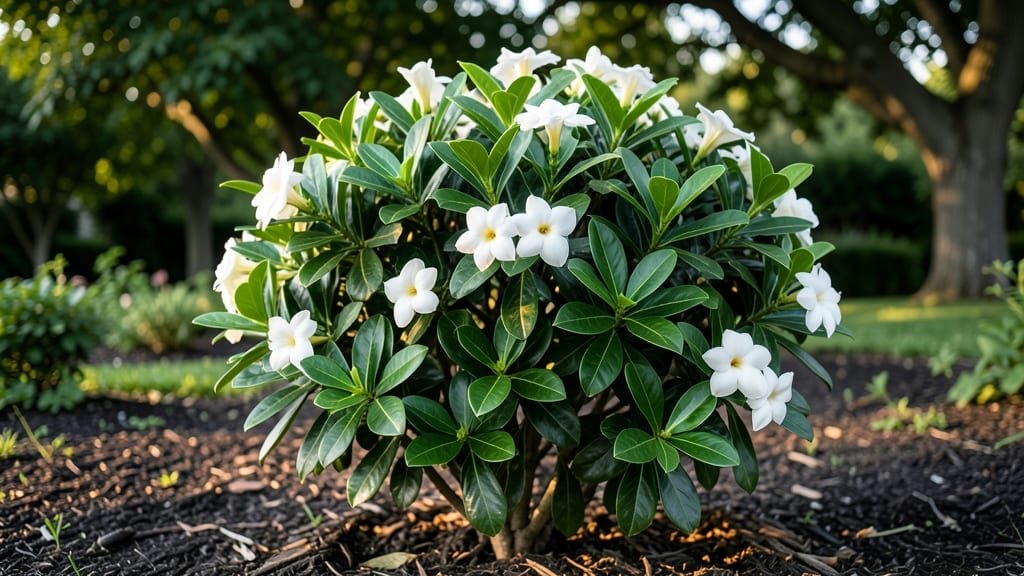
Gardenia bushes grow best in USDA Zones 7 through 10, where warm temperatures and acidic, well-draining soil support their natural growth patterns. Varieties in cooler zones need extra protection or container growing to survive winter.
These tropical plants love heat—think 75-90°F days and 60°F nights—making Zones 7-10 their sweet spot. 🌿 The key is avoiding frost, which can destroy both leaves and buds. I've seen gardenias in Zone 6 thrive when planted in large containers that can be moved indoors during winter months.
For outdoor planting in cooler areas, choose frost-resistant varieties like 'Radicans' or use thick mulch to insulate roots.
Even in ideal zones, soil pH matters—gardenia bushes prefer 5.0-6.5. If your soil is too alkaline, amend it with sulfur or peat moss. I always test my soil before planting because acidic conditions unlock the full fragrance potential of these beauties.
Container growers can use a mix of peat moss, pine bark, and perlite to mimic their natural acidic environment.
💡 In This Article
- Best USDA Zones for Gardenia Bush Growth
- Gardening Strategies for Cooler Climate Zones
Best USDA Zones for gardenia bush growth
Gardenia bushes thrive in USDA Zones 7 through 10 because their tropical origins demand consistent warmth. These zones provide average annual minimum temperatures between 10°F and 30°F, but gardenias need protection when temperatures drop below 32°F.
The key mechanism is their sensitivity to frost—even a light freeze can damage leaves and buds, stunting growth or killing the plant entirely. In their ideal zones, gardenias experience 240-300 frost-free days annually, allowing them to bloom continuously from spring through fall.
The optimal temperature range for active growth is 75-90°F during the day and 60-65°F at night. This warmth triggers their natural flowering cycle, where buds develop over 4-6 weeks before opening into fragrant white blooms.
In cooler zones like 7, gardenias may experience slower growth and fewer blooms unless given extra care. The soil temperature also matters—roots prefer 65-75°F to absorb nutrients efficiently. 🌸
Seasonal growth patterns shift dramatically outside Zones 7-10. In Zone 6, for example, gardenias enter dormancy when temperatures fall below 40°F, halting new growth until spring. This dormancy period can last 4-5 months, compared to 2-3 months in Zone 8.
The shorter growing season in cooler zones means gardeners must work harder to extend the bloom period through container growing or greenhouse protection. Microclimates—like sunny, sheltered spots near buildings—can add 5-10°F of warmth, helping gardenias push their limits.
Soil conditions play a critical role in zone suitability. Gardenias demand acidic soil (pH 5.0-6.5) to access essential nutrients like iron and manganese, which are crucial for flower production. In alkaline soils common to Zones 8-10, gardenias struggle to absorb these nutrients, leading to yellowing leaves and poor blooming.
The solution? Amend the soil with sulfur or peat moss to lower pH. In containers, a mix of 50% peat moss, 30% pine bark, and 20% perlite mimics their natural acidic environment perfectly.
What most gardeners don't realize is how humidity affects zone suitability. Gardenias thrive in 50-70% humidity, which is naturally higher in Zones 7-10. In drier climates like parts of Zone 9, you'll need to mist leaves or use a humidity tray to prevent bud drop.
The fragrance of gardenias—often described as sweet and creamy—peaks when humidity is optimal, making these conditions essential for both health and aroma. 🌿
For those in Zones 5-6, microclimates and greenhouse methods can create artificial warmth. A small greenhouse or cold frame can raise soil temperatures by 10-15°F, while black plastic mulch adds 2-4°F of extra heat.
These techniques allow gardeners to push gardenias into Zone 6 with careful planning. In extreme cases, overwintering potted gardenias indoors under grow lights can extend their lifespan indefinitely.