
Blooming
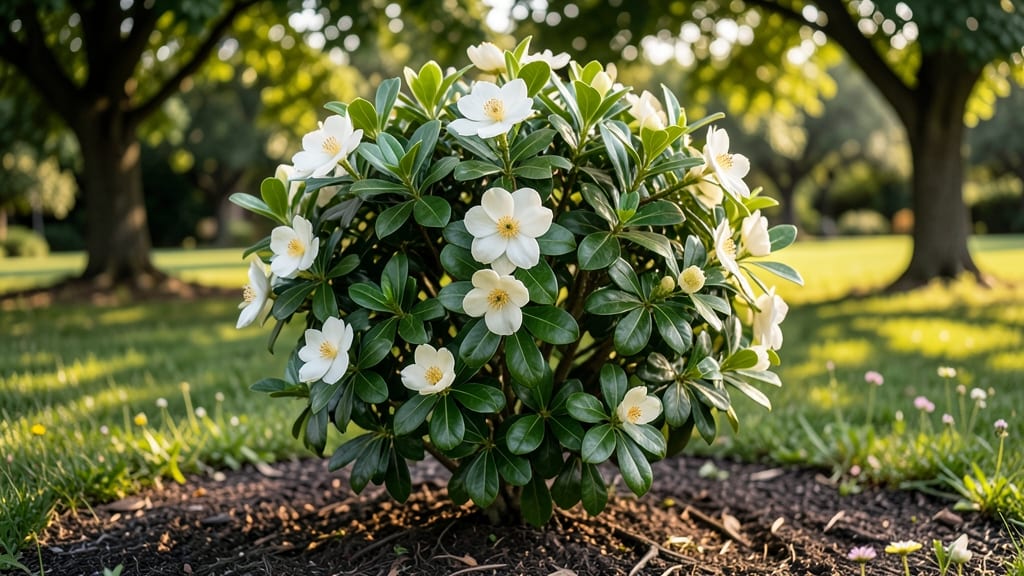
Gardenia bushes bloom in late spring through summer 🌸 — typically between May and July, though exact timing depends on your USDA zone and care habits.
If you’ve ever planted a gardenia bush hoping for its intoxicating fragrance, you’ve likely wondered: Why isn’t it blooming yet? The answer lies in timing—specifically, your USDA zone and light exposure. Gardenias are finicky but rewarding, and mastering their bloom schedule can transform your garden into a fragrant paradise.
In USDA Zone 6a and colder regions, blooms often arrive later, around June or July, while warmer zones like 8-11 may see flowers as early as April. Proper sunlight—4-6 hours of morning sun—is the key to triggering those creamy-white blooms.
Below, I’ll break down the exact months to expect flowers by zone, how to adjust light for earlier blooms, and 5 pro tips to encourage more abundant gardenia flowers—without overcomplicating care.
Gardenia blooming seasons by USDA Zone: exact months to expect flowers
If you've planted a gardenia bush, you know its creamy-white flowers and heavenly scent are worth the wait—but only if you time it right. Gardenias thrive in warm climates, but their blooming windows shift dramatically across USDA Zones 7-11.
In cooler zones, expect a delayed start, while tropical zones may see year-round blooms with proper care. Understanding these patterns ensures you don’t miss a single fragrant bloom.
Temperature plays a critical role in gardenia blooming. These shrubs need consistent warmth (above 60°F) to trigger bud formation. Sudden cold snaps or early frosts can shock the plant and delay—or even stop—flowering entirely.
In USDA Zone 7, for example, gardenias often wait until late spring to bloom, while Zone 11 gardenias may flower year-round with minimal dormancy.
Here’s a zone-by-zone breakdown of when to expect gardenia blooms, including early, peak, and late-season timing. Use this as your blooming calendar to plan pruning, fertilization, and fragrance-enjoying strategies.
In USDA Zone 7, gardenias often play catch-up, with blooms arriving late May and peaking in June–July. This delay happens because cooler temperatures slow bud development. If you’re in Zone 7, protect your gardenia from early frosts—even a light freeze can damage buds and reduce flowering.
Use burlap wraps or move potted gardenias indoors during winter.
Southern gardeners in Zones 9–11 enjoy the luxury of year-round blooms, though peak seasons still exist. In Zone 9, gardenias kick off early with March blooms and often reward you with a fall rebloom in September.
Meanwhile, Zone 11 gardenias are the ultimate fragrance machines, flowering continuously if given consistent moisture and humidity. A mist system or pebble tray can help maintain the tropical conditions they crave.
Temperature fluctuations also trigger or delay blooming. Gardenias need stable warmth (above 65°F) to set buds, but sudden heat spikes can cause buds to drop. In Zone 8, for example, a heatwave in July might halt blooming until cooler fall temperatures return.
To mitigate this, prune lightly in early spring to reduce stress and water deeply to maintain soil moisture.
Regional variations matter too. Gardenias in coastal areas (e.g., Zone 9–11) often bloom earlier due to milder winters, while inland Zone 9 gardenias may align more closely with Zone 8 timing.
If you’re in a transition zone, like Zone 8b, monitor your local last frost date—blooms typically start 2–3 weeks after consistent 60°F+ nights.
Pro tip: Fertilize strategically to encourage blooms. In Zones 7–8, apply a balanced acidic fertilizer
How sunlight and light needs affect gardenia blooming timing (and how to optimize them)
Gardenias thrive on bright, indirect light, but too much direct sun or insufficient light can delay—or even prevent—their stunning creamy-white blooms. Unlike sun-loving plants, gardenias prefer morning sunlight paired with afternoon shade, especially in hotter climates. This balance ensures they produce flowers without stressing their delicate foliage.
If your gardenia isn’t blooming, light deprivation is often the culprit. These tropical shrubs need at least 4-6 hours of filtered sunlight daily to trigger blooming hormones. Without enough light, they focus energy on leaf growth instead of flowers, leaving you with lush foliage but no fragrance.
Here’s the key: Too little light delays blooms, while too much direct sun can scorch leaves and reduce flowering. The sweet spot? Mimic their native understory habitat—dappled sunlight through trees or a east-facing window for container gardenias.
⚖️ Light Exposure for Gardenia Blooms: Pros & Cons
✅ Partial Shade (4-6 hrs sun)
- Pros: Ideal blooming, healthy foliage
- Cons: Needs careful placement
❌ Full Sun (>6 hrs direct)
- Pros: Faster growth in cool zones
- Cons: Leaf scorch, fewer blooms
⚠️ Deep Shade (<4 hrs sun)
- Pros: Prevents scorching in heat
- Cons: No blooms, leggy growth
To optimize blooming, I recommend monitoring your gardenia’s light exposure for 3-4 weeks. If leaves turn yellow or brown in direct sun, move it to a shadier spot.
Conversely, if growth is sparse and buds never form, it’s getting too little light—consider a grow light for indoor plants or relocate outdoors to a sunnier area.
For container gardenias, rotate the pot quarter-turns weekly to ensure even light exposure. This mimics natural conditions and prevents one side from becoming light-starved, which can lead to uneven blooming. Pair this with acidic fertilizer (pH 5.0-6.5) to support flower production.
Troubleshooting tip: If your gardenia blooms only once a year, it’s likely due to insufficient light. These shrubs can produce multiple flushes of flowers with proper light and care—think spring through early fall in ideal conditions. Adjust now, and you’ll be rewarded with fragrant blooms for months!