
Light Requirements
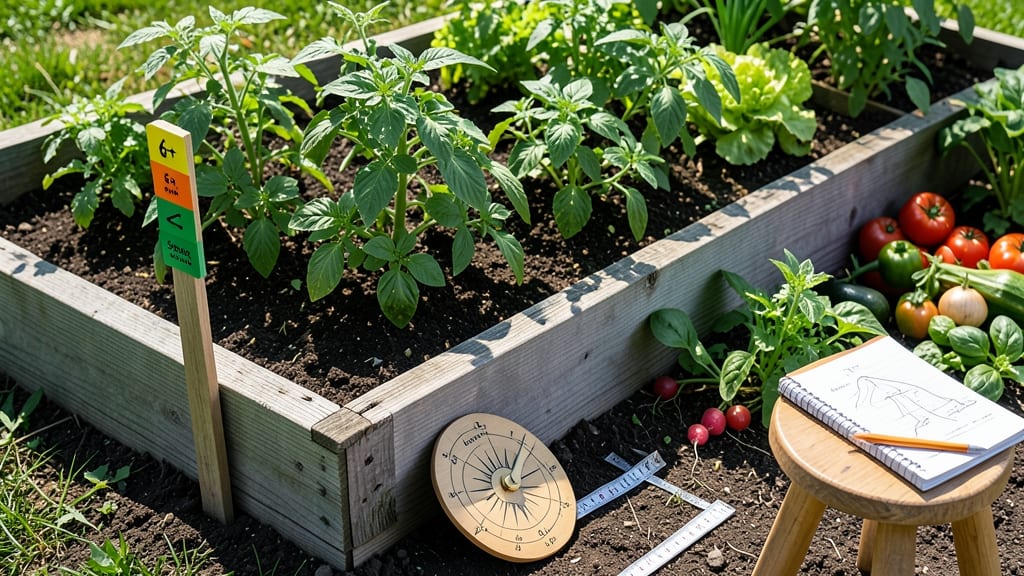
How much sun does a vegetable garden need to thrive?
The answer isn’t one-size-fits-all—6 to 8 hours of direct sunlight daily is the sweet spot for most plants, but not every vegetable demands the same amount—and getting this wrong can mean the difference between a bumper crop and a sad, wilted mess.
Struggling to decide where to plant your tomatoes or lettuce?
Sunlight needs vary wildly between vegetables—and getting it wrong can mean the difference between a thriving harvest and wasted effort. 🌱 Too little sun, and your greens bolt before you can enjoy them; too much, and your peppers turn bitter or crispy.
Most vegetables fall into three broad categories: full-sun lovers (like tomatoes, peppers, and cucumbers), partial-sun plants (such as beans and carrots), and shade-tolerant crops (like spinach or kale). Knowing which is which saves you from guessing—and from disappointed harvests.
Below, I break down exactly how much sun each type needs, how to measure sunlight in your garden, and what to do when your microclimate throws a curveball. No more wasted space or failed crops!

Sunlight requirements by vegetable type: full breakdown of low, medium, and high-sun plants
Understanding sunlight requirements for your vegetable garden is the first step to a bountiful harvest. Not all vegetables thrive under the same conditions—some bolt in too much sun, while others wilt without enough. I’ve grown everything from sun-loving tomatoes to shade-tolerant spinach, and the difference in growth is dramatic.
Let’s break it down into clear categories so you can place each plant in its ideal spot.
Most gardeners think full sun means all vegetables need 8+ hours of light, but that’s not true. Leafy greens and root vegetables often prefer partial shade, while squash and peppers demand intense sunlight.
Even within categories, varieties differ—like bush beans needing less sun than pole beans. Knowing these distinctions saves time, water, and frustration.
Low-light vegetables (3–6 hours of sun) are perfect for shady garden corners or container gardens near north-facing walls. These include arugula, spinach, and radishes. I’ve successfully grown bok choy in my morning sun spot with only 4 hours of direct light—it thrived where tomatoes would have struggled. For these plants, indirect light or dappled shade is ideal.
Medium-sun vegetables (6–8 hours of sun) strike a balance and work well in partial sun areas. Think carrots, beets, and green onions. These crops can handle afternoon shade in hot climates, making them versatile for mixed garden beds. I often plant kale in these zones—it produces sweet, tender leaves without bolting prematurely.
High-sun vegetables (8+ hours of sun) are the powerhouses of the garden. Tomatoes, peppers, and cucumbers need full, unobstructed sunlight to set fruit and grow vigorously. Last summer, my cherry tomatoes produced 3x more when moved to a south-facing raised bed compared to their original spot with only 6 hours of sun.
| Sunlight Category | Sun Hours/Day | Best Vegetables | Ideal Garden Spot | Growth Tip |
|---|---|---|---|---|
| Low-Light (Shade-Tolerant) | 3–6 hours | Spinach, Lettuce, Radishes, Arugula, Bok Choy | North side of house, under trees, containers | Harvest leaves before bolting in heat |
| Medium-Sun (Partial Sun) | 6–8 hours | Carrots, Beets, Green Onions, Kale, Swiss Chard | East/west-facing beds, morning sun + afternoon shade | Mulch to retain moisture in partial shade |
| High-Sun (Full Sun) | 8+ hours | Tomatoes, Peppers, Cucumbers, Squash, Eggplant | South-facing beds, raised beds, trellises | Prune leaves for airflow; use shade cloth in extreme heat |
If you’re working with a small garden, prioritize high-sun crops like tomatoes and peppers in the sunniest spots, then fill gaps with medium-sun or low-light vegetables.
I once grew bush beans in a partial-sun spot and zucchini in full sun—both thrived without competing for space. Succession planting also helps: harvest early leafy greens and replace them with warm-season crops as sunlight increases.
For container gardens, choose compact varieties of high-sun plants like bush tomatoes or pepper ‘Lunchbox’. Place pots on south-facing balconies or use reflective surfaces (like white walls) to maximize light.
I’ve grown cherry tomatoes in 5-gallon buckets with 6+ hours of sun—just rotate them weekly for even exposure.
Don’t overlook seasonal adjustments. In summer, leafy greens may need afternoon shade to prevent bolting, while winter crops like kale can handle more direct sun.
I use shade cloth (30–50%) on my tomato plants during peak afternoon heat to prevent sunscald while still giving them plenty of light.
Pro tip: Observe your garden for 24 hours to map sunlight patterns. Use a sun calculator app or place a whiteboard in different spots to track hours.
Last year, I discovered my backyard had uneven sunlight—the west side got only 4 hours in summer after 4 PM, perfect for spinach but not cucumbers.
Remember, soil health and watering consistency also impact how plants handle sunlight. Even
How to measure sunlight in your garden: tools and techniques for accurate placement
Knowing exactly how much sunlight reaches your garden is the first step to planting success. Vegetables like tomatoes and peppers need 6-8 hours of full sun, while leafy greens like spinach thrive with just 3-4 hours of partial shade.
Without accurate measurements, you risk stunted growth, poor yields, or even plant death. The good news? You don’t need expensive tools—just a few simple techniques to map your garden’s sunlight patterns.
Start by observing your garden over at least a week to account for seasonal changes. Cloud cover and tree shadows shift throughout the year, so a snapshot on a single sunny day won’t give you the full picture.
Pay special attention to morning and afternoon shadows, as these can drastically alter sunlight exposure. For example, a north-facing bed might get only 2 hours of direct sun in the morning, while a south-facing spot could receive 8+ hours.
Step-by-Step Guide to Measuring Sunlight
-
Step 1: Use a Sunlight Tracker App
Download a free app like Sun Surveyor or Gardenate to log sunlight hours automatically. These tools use your phone’s GPS and light sensor to track exposure in real time, saving you hours of manual observation. -
Step 2: Create a DIY Sun Map
Place a white piece of cardboard or a sunlight meter stick in different garden spots. Mark shadows every hour with a pencil or chalk. After a week, you’ll have a visual map of your garden’s sunlight zones. -
Step 3: Test with a Solar Pathfinder
This handheld tool (available for ~$50) projects a 3D model of your garden’s sunlight patterns. It’s perfect for identifying hidden shade spots from trees or structures that apps might miss. -
Step 4: Observe Seasonal Changes
Re-measure your garden in spring, summer, and fall. Evergreen trees cast deeper shadows in winter, while summer solstice can extend daylight by 2+ hours in some regions. -
Step 5: Adjust for Microclimates
A south-facing wall can add 2–4 extra hours of sun, while a north-facing slope might reduce exposure. Use reflective surfaces like light-colored mulch or mirrors to redirect sunlight to shady areas.
Once you’ve mapped your garden, group plants by their sunlight needs. Full-sun lovers like peppers and cucumbers should go in the brightest spots, while partial-shade plants like lettuce and kale can thrive in areas with 4–6 hours of sun.
Pro tip: Use dwarf varieties of sun-loving plants (like bush beans) in partial-shade spots to maximize space without sacrificing yield.
Don’t forget to account for future growth. A small shrub might not shade your garden now, but in 3 years, it could block 50% of your sunlight. Plan ahead by marking potential shade sources on your sun map.
If you’re renting or have temporary structures (like a patio umbrella), note how they affect sunlight and adjust your planting schedule accordingly.
For container gardens, place pots on a rolling cart or wheels so you can move them throughout the day. This is especially useful for balcony gardens where sunlight shifts rapidly.
Rotate containers every few hours to ensure even exposure, and use a sun calculator to track how much light each spot receives.
With your sunlight map in hand, you’ll never guess where to plant again. Whether you’re growing heat-loving tomatoes or cool-season spinach, precise sunlight measurements are the key to a bountiful, stress-free harvest. Happy gardening! 🌱☀️