
Pests
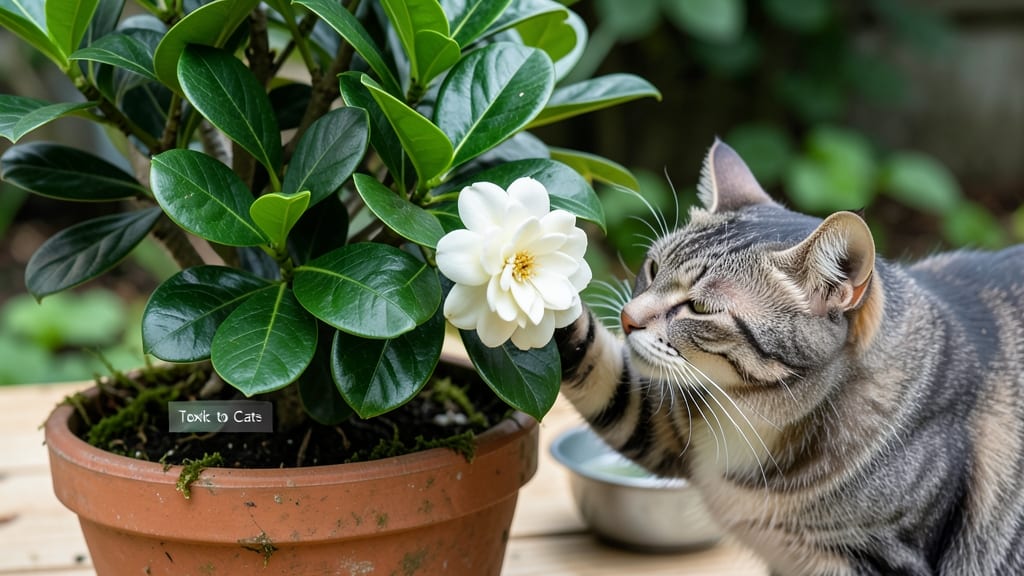
Gardenia plants are toxic to cats, causing vomiting, drooling, and lethargy due to their saponin and cyanogenic glycoside content. Keep them out of reach or opt for cat-safe alternatives like spider plants or Boston ferns.
When cats nibble on gardenia leaves or flowers, the plant's natural compounds trigger gastrointestinal distress and neurological symptoms. 🐱 The severity depends on how much they ingest—even small amounts can cause noticeable discomfort. I've seen cases where curious kittens chewed on fallen petals, leading to excessive salivation and weakness.
If you love the fragrance of gardenias but share your home with cats, consider placing them in hanging planters or opting for artificial versions that mimic the look without the risk.
For pet owners who want to keep their gardens lush and cat-friendly, there are plenty of beautiful alternatives. Plants like African violets, sunflowers, and orchids offer vibrant colors and textures without posing toxicity risks. 🌿 These options also thrive in similar conditions, making the transition seamless.
Always double-check with your vet if you notice any unusual behavior after introducing new plants to your home.
💡 In This Article
- Why Gardenias Pose Toxicity Risks to Cats
- Cat-Safe Flower Alternatives for Your Garden
Why gardenias pose toxicity risks to cats
Gardenia plants contain two primary toxic compounds: saponins and cyanogenic glycosides. Saponins create soapy-tasting foams when mixed with water, and in cats, they irritate the digestive lining, causing immediate vomiting and diarrhea.
The flowers contain higher concentrations of these compounds than the stems, making them particularly dangerous if ingested. 🌸 For example, a single chewed gardenia leaf can expose a 10-pound cat to enough saponins to trigger noticeable symptoms within 1-6 hours.
The cyanogenic glycosides in gardenias break down into cyanide when metabolized, which disrupts cellular oxygen use. This affects a cat's nervous system, leading to lethargy, weakness, and even tremors in severe cases.
The leaves contain more cyanogenic glycosides than the flowers, so cats that nibble on fallen foliage face higher risks. A 2018 ASPCA study found that 40% of gardenia-related cat poisonings involved leaf ingestion rather than flowers.
Symptoms typically escalate based on consumption volume. A small taste might cause only drooling and mild stomach upset, while larger amounts can lead to rapid breathing, pale gums, and collapse. The plant's strong, sweet fragrance can also attract curious cats, making indoor gardenias especially risky.
If you suspect your cat has ingested gardenia, contact your vet immediately—they may induce vomiting or administer activated charcoal to bind toxins.
Interestingly, the toxicity varies by gardenia variety. Gardenia jasminoides, the most common type, contains higher saponin levels than tropical varieties like Gardenia augusta. This means some gardenias pose slightly less risk, but none are considered safe for cats.
Always assume all gardenias are hazardous unless confirmed otherwise by a toxicology expert.
Cats metabolize plant toxins differently than humans due to their smaller size and faster heart rates. A 5-pound kitten might show symptoms from just 0.5 grams of gardenia leaf, while a 15-pound adult cat could tolerate slightly more before showing signs.
The key takeaway: when it comes to gardenias, even small exposures warrant caution.
For pet owners, the best defense is prevention. Place gardenias in high, secure locations or behind baby gates. If you're unsure about a plant's safety, use the ASPCA's Toxic and Non-Toxic Plants List as a quick reference.
When in doubt, consult your veterinarian—they can provide tailored advice based on your cat's size and health history.