
Aphids
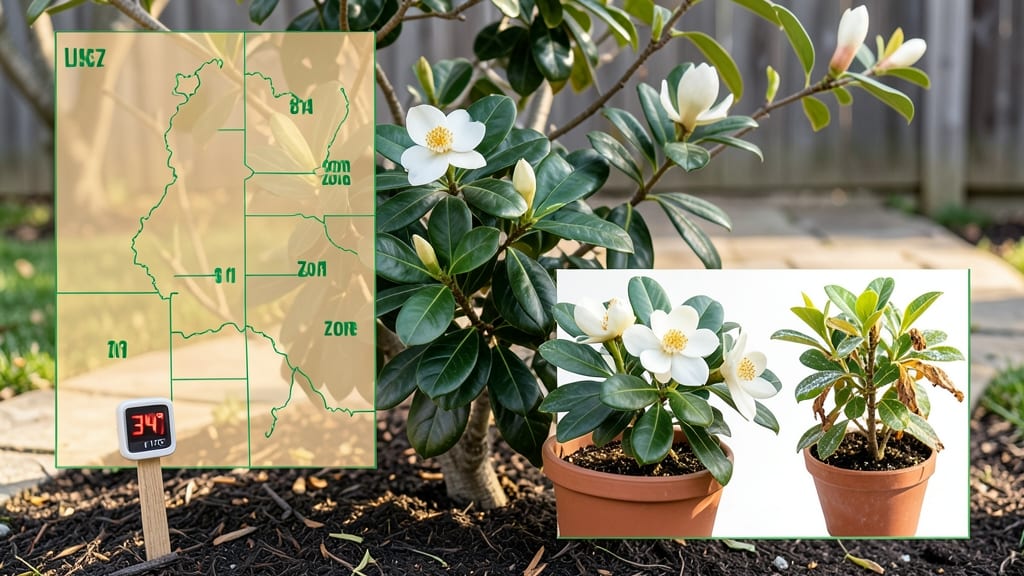
Understanding gardenia cold hardiness is key: most varieties flourish in USDA Zones 8-11, but temperatures below 30°F (-1°C) can cause irreversible damage. Use protective measures like mulch, frost cloth, or indoor overwintering to shield these tropical plants from harsh winter conditions.
Gardenia plants are tropical by nature, which means their cold sensitivity stems from delicate cellular structures that freeze when exposed to prolonged chilly temperatures. 🌱 The 30°F (-1°C) threshold isn't just an arbitrary number—it's the point where ice crystals form in plant tissues, disrupting nutrient flow and leading to browning leaves or even death.
Some hardier varieties like Gardenia jasminoides might tolerate brief dips, but consistent cold snaps below this mark will stress any gardenia, regardless of type.
For gardeners in colder regions, the solution lies in creating a controlled environment. A thick layer of organic mulch (like straw or wood chips) acts as insulation, while frost cloth provides a breathable barrier against sudden freezes.
Potted gardenias can be moved indoors near a sunny window, but remember to gradually reintroduce them to outdoor conditions in spring to avoid shock.
💡 In This Article
- USDA Zones for Gardenia Survival and Growth
- Winter Care Strategies for Cold-Exposed Gardenias
USDA zones for Gardenia survival and growth
Gardenia cold sensitivity stems from their tropical origins, where temperatures rarely drop below 50°F (10°C). The 30°F (-1°C) threshold triggers cellular damage through ice crystal formation in plant tissues, disrupting membranes and blocking nutrient transport.
This is why gardenias in USDA Zones 8-11 thrive naturally—they receive consistent warmth without extreme temperature swings that stress their systems. 🌿
Different gardenia varieties show varying resilience. The common Gardenia jasminoides, often found in gardens, handles brief cold snaps better than Gardenia augusta, which is more sensitive due to its thicker foliage.
For example, Gardenia jasminoides might survive a single night at 28°F (-2°C) if protected, while Gardenia augusta would likely suffer leaf burn. Root systems also play a role—shallow roots freeze faster, making container-grown gardenias more vulnerable than established in-ground plants.
Temperature fluctuations are equally damaging. A sudden drop from 70°F (21°C) to 25°F (-4°C) can shock gardenias, causing buds to blacken or leaves to wilt.
This is why gardeners in Zones 7 and below must use protective measures—even a well-mulched plant can suffer if exposed to prolonged cold below 30°F (-1°C). The key is maintaining stable soil temperatures above 40°F (4°C) to prevent root damage.
Soil composition matters too. Sandy soils drain faster, exposing roots to colder air, while loamy soils retain more heat. Adding 3-4 inches of organic mulch (like pine straw) can raise soil temperatures by 5-10°F (3-6°C), creating a buffer against frost.
In colder zones, gardeners often bury pots in insulated boxes filled with straw or use heated mats to keep roots warm during freezes. 🌡️
For gardeners pushing the limits, consider cold-hardy hybrids like Gardenia 'Kleim's Hardiness', which can tolerate brief dips to 25°F (-4°C) with protection. However, even these varieties need shelter from wind and direct cold exposure.
The best approach is to match your gardenia variety to your local climate—if you're in Zone 6, focus on container gardening or indoor overwintering rather than risking outdoor planting.
Understanding these nuances helps explain why gardenias in colder climates often struggle—it's not just about the temperature, but how quickly it changes and how well the plant's roots are insulated. A well-prepared gardener can extend a gardenia's lifespan by 5-10 years with the right protective strategies. 🌱