
Flowers
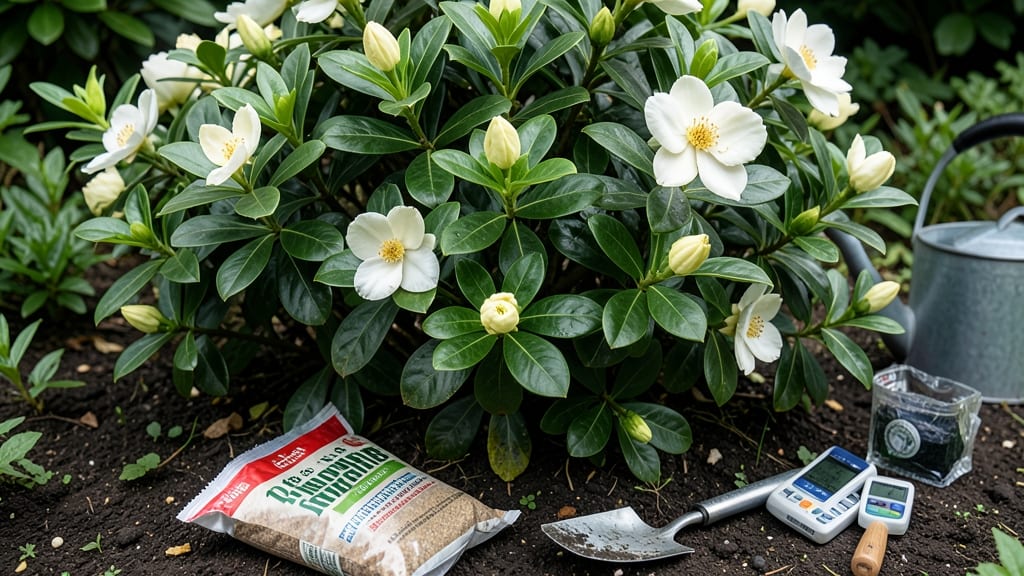
The secret to lush, fragrant gardenia flowers lies in the right gardenia flower fertilizer—one that delivers both the acidity and nutrients these picky plants crave. If you've ever watched your gardenia's glossy leaves turn dull and its buds drop before opening, you're not alone. The issue often boils down to soil pH or a nutrient imbalance—two problems that are easily fixed with the right fertilizer schedule and product.
Gardenia thrives in acidic soil (pH 5.0-6.5), but most gardeners unknowingly use fertilizers that raise the pH, locking out key nutrients like iron and manganese. That’s why a specialized gardenia fertilizer—whether organic or synthetic—makes all the difference in blooming potential.
In this guide, I’ll walk you through the best fertilizers for gardenias, how to apply them for maximum fragrance, and even share DIY recipes using household ingredients.
By the end, you’ll know exactly when to feed, how much to use, and how to spot over- or under-fertilization before it’s too late.

Best acid-loving gardenia flower fertilizers for maximum blooms
Your gardenia plants crave acidic soil and balanced nutrition to produce those fragrant white blooms you love. Without the right fertilizer blend, your gardenias may struggle with yellowing leaves or sparse flowering.
The key is choosing a formula that matches their tropical needs—one that provides micronutrients, maintains acidic pH levels, and supports continuous blooming.
Most gardeners make the mistake of using generic all-purpose fertilizers, which can raise soil pH and burn delicate roots. Instead, opt for acid-loving plant blends specifically designed for azaleas, camellias, and gardenias.
These formulations typically feature low nitrogen (to avoid leafy growth at the expense of flowers) and higher phosphorus levels (to encourage blooming). Let’s explore the best options for your fragrant shrubs.
| Fertilizer Type | NPK Ratio | Micronutrients | pH Adjustment | Release Type | Best For |
|---|---|---|---|---|---|
| Miracle-Gro Azalea, Camellia, Gardenia | 8-3-9 | Iron, magnesium, sulfur | Acidifying | Slow-release granules | Year-round blooms |
| Jobe's Organics Azalea/Camellia/Gardenia | 3-1-3 | Organic matter, compost | Natural acidity | Slow-release pellets | Organic gardeners |
| Espoma Organic Acid-Loving Plant Food | 2-3-4 | Humic acid, kelp | Balanced acidity | Slow-release granules | Soil health |
| Fish Emulsion (5-1-1) | 5-1-1 | Nitrogen-rich, organic | Neutral (use with sulfur) | Liquid feed | Foliar boosts |
| Pine Bark Fines + Compost | N/A (organic matter) | Slow-release nutrients | Acidifying | Soil amendment | Long-term soil health |
For synthetic fertilizers, the Miracle-Gro Azalea, Camellia, Gardenia blend is my top pick. Its 8-3-9 NPK ratio provides the perfect balance for bloom production while avoiding excessive leaf growth.
The formula includes iron and magnesium, which prevent common deficiencies like yellowing leaves. Apply granules every 6-8 weeks during the growing season for consistent results.
If you prefer organic options, Jobe's Organics and Espoma are excellent choices. These blends use composted materials and humic acid to gradually release nutrients while maintaining acidic soil conditions. Organic fertilizers also improve soil structure over time, reducing the risk of root rot in gardenias.
Mix these into the soil in early spring and again after the first flush of blooms.
Don’t overlook liquid fertilizers like fish emulsion for quick nutrient boosts. Dilute to half-strength and apply every 4 weeks during active growth. Pair it with sulfur to lower soil pH if your gardenias show signs of chlorosis (yellowing leaves with green veins).
This combo works wonders for revitalizing struggling plants.
For
How to apply gardenia fertilizer for year-round fragrant blooms
Gardenia plants thrive when their nutritional needs match their natural tropical habitat. These acid-loving shrubs demand a balanced fertilizer with a touch of acidity to maintain their signature fragrant blooms and glossy foliage.
Without the right feeding schedule, even mature gardenias can produce sparse flowers or yellowing leaves. The key is timing—spring kickstarts growth, summer supports blooming, and fall prepares for dormancy.
Before applying any fertilizer, test your soil’s pH level—gardenias prefer acidic soil (pH 5.0-6.5). If your soil is alkaline, amend it with sulfur or pine fines before fertilizing. A well-prepared root zone ensures your gardenia absorbs nutrients efficiently, leading to healthier blooms and longer fragrance.
For best results, pair fertilization with consistent watering and mulching to retain moisture and acidity.
🌱 Step-by-Step Gardenia Fertilization Guide
- 🌿 Spring (March-May): Light feed with 6-6-6 NPK + compost to wake roots. Apply 1 tbsp per plant every 4-6 weeks.
- ☀️ Summer (June-August): Switch to 8-3-9 NPK (phosphorus boost) for blooms. Use 2 tbsp per plant every 6 weeks.
- 🍂 Fall (September-November): Light feed with organic acidifier (e.g., cottonseed meal) to prep for dormancy.
- ❄️ Winter (December-February): No fertilizer—let roots rest in colder zones (Zone 6-9).
- 💧 Foliar Boost: Spray seaweed extract monthly during bloom season for extra micronutrients.
- ⚠️ Signs of Over-Fertilizing: Brown leaf tips, crusty soil, or stunted growth. Flush soil with water.
- ⚠️ Signs of Under-Fertilizing: Pale leaves, fewer blooms, or weak stems. Increase feeding frequency.
For container gardenias, reduce fertilizer amounts by half since pots dry out faster and roots are confined. Always water thoroughly before and after applying fertilizer to prevent root burn.
In Zone 10, continue light feeding year-round, but avoid heavy doses in winter. The goal is to mimic natural rainfall—consistent, not excessive.
Pro tip: Pair your fertilizer with a mulch layer of pine needles or oak leaves to slowly acidify the soil. This dual approach ensures your gardenia stays happy and blooming without constant pH adjustments.
Monitor your plant’s response—adjust timing or type if you notice stress signs like yellowing leaves or dropped buds.
Remember, gardenias reward patience. A consistent feeding schedule with the right acid-loving formula will transform your shrub into a fragrant powerhouse that blooms from spring to fall.
Start with a light spring feed, ramp up in summer, and taper off in fall—your gardenia will thank you with glossy leaves and intoxicating blooms.
🌸