
Planting
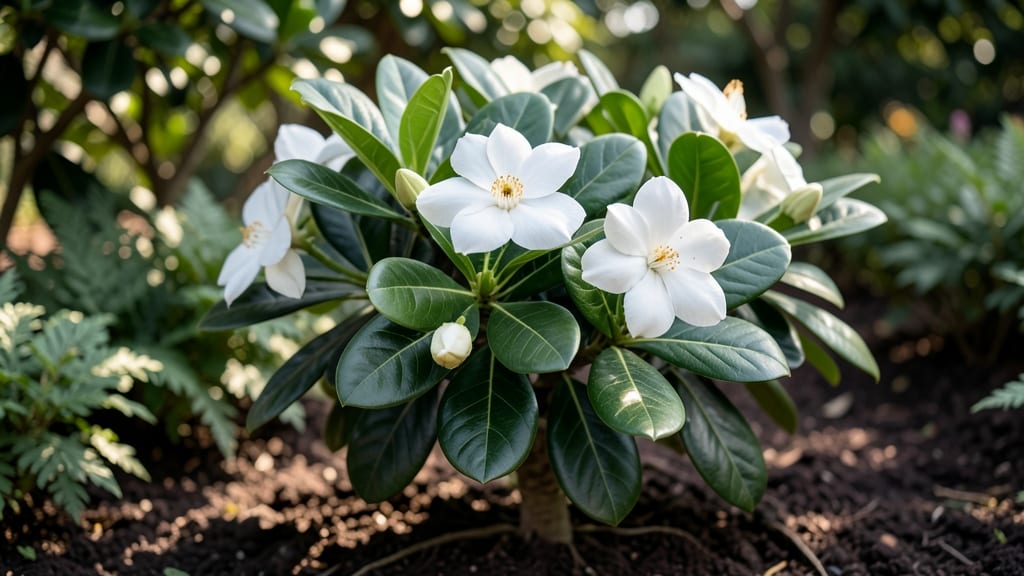
Gardenia plants can thrive in Zone 5 with the right cold-hardy varieties and protective measures: opt for frost-resistant types like Gardenia jasminoides ‘Kleim’s Hardy,’ apply thick mulch layers, and move potted plants indoors or to sheltered areas during winter. Prevent frost damage by avoiding waterlogged soil and ensuring proper drainage.
Zone 5's chilly winters pose a real challenge for gardenias, which naturally prefer tropical climates. 🌿 The key to success lies in selecting cold-tolerant cultivars that can withstand temperatures down to 20°F—like ‘Kleim’s Hardy’—while implementing protective strategies.
Mulching with 4-6 inches of organic material insulates roots, while container plants benefit from winter wraps or indoor relocation. Proper drainage prevents root rot, a common issue when cold soil stays saturated.
For best results, plant your gardenias in south-facing locations where they'll receive maximum winter sun exposure. This helps mitigate temperature fluctuations that can stress the plants. I've found that combining these techniques with regular pruning—removing dead growth in early spring—keeps gardenias healthy and blooming even in colder climates.
💡 In This Article
- How Cold Affects Gardenia Plants in Zone 5
- Top Cold-Tolerant Gardenia Varieties for Zone 5 Gardens
How cold affects gardenia plants in Zone 5
Gardenia plants originate from tropical regions where temperatures rarely drop below 50°F, making them highly sensitive to Zone 5's winter chill. The real damage occurs when temperatures fall below 28°F—this is when ice crystals form inside plant cells, rupturing their membranes in a process called frost injury.
The cell walls, which are primarily made of cellulose, can't withstand the expansion of freezing water, leading to brown, mushy tissue that dies off. 🌱 Hardy varieties like ‘Kleim’s Hardy’ have developed thicker cell walls and higher levels of antifreeze proteins that protect their cellular structures during cold snaps.
Zone 5's winter conditions create additional stress through temperature fluctuations. A sunny 40°F day followed by a -5°F night can cause thermal shock, where the plant's metabolic processes struggle to adapt quickly enough.
This is why gardenias in Zone 5 need consistent protection—especially during radiation frost events, when clear skies allow heat to escape rapidly. Mulching with 4-6 inches of straw or shredded leaves acts as an insulator, maintaining soil temperatures 5-10°F warmer than ambient air, which is critical for root survival.
The tropical climate gardenias prefer has high humidity (60-80%) and consistent moisture, but Zone 5's dry winter winds and frozen ground create the opposite conditions. Without protection, gardenias enter a state of physiological drought, where their roots can't absorb water even when it's present.
This is why well-draining soil is non-negotiable—waterlogged roots in freezing temperatures become a deadly combination, leading to root rot within weeks. 💧
Hardy varieties have another advantage: their growth habit. Unlike tropical gardenias that grow rapidly in warm weather, cold-tolerant types enter a dormant state when temperatures drop, conserving energy and reducing frost susceptibility.
This natural adaptation means they can survive brief exposures to 15-20°F with proper protection, while non-hardy types would suffer severe damage at 32°F. The key difference lies in their cold acclimation process, where they gradually adjust their biochemical pathways to handle lower temperatures.
Consider this comparison: A tropical gardenia's leaves will blacken and drop at 30°F, while ‘Kleim’s Hardy’ might only show minor leaf scorch at 15°F if properly mulched.
The difference comes down to cellular membrane composition—hardy varieties have higher levels of unsaturated fatty acids in their cell membranes, which remain flexible in cold conditions. This flexibility prevents the membrane damage that triggers cell death in non-hardy types. 🧬