
Pruning
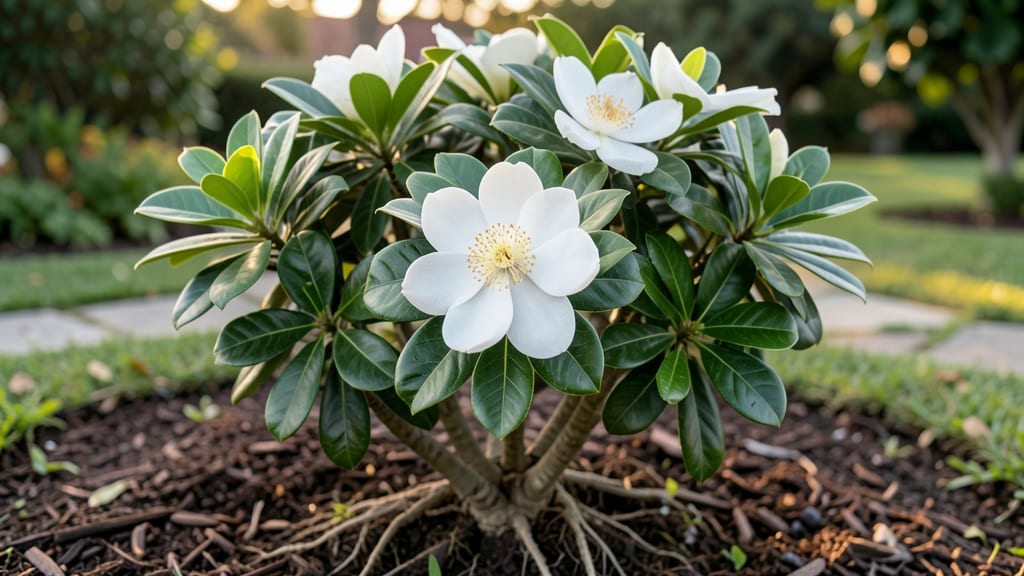
A gardenia tree’s height can reach 15 feet if left unchecked, but with the right pruning and care, you can shape it into a fragrant, compact beauty 🌸.
If your gardenia tree is growing taller than your fence—or refusing to bloom—its height might be the problem. Understanding how to control it while keeping those intoxicating blooms is the key to a perfect garden centerpiece.
Most gardenia trees grow 12–24 inches per year, but their mature size depends on the variety, pruning habits, and your climate. In USDA Zone 6, a well-maintained gardenia stays between 6–10 feet, making it ideal for hedges or small trees.
Below, I’ll break down how to manage its height through pruning, soil care, and seasonal tips—so you can enjoy that sweet fragrance without losing control of its growth.

Natural gardenia tree height growth patterns and mature size limits
If you’ve ever wondered why your gardenia tree seems to stretch toward the sky like a skyscraper, you’re not alone. The height of a gardenia isn’t just about genetics—it’s a dance between species, care conditions, and your local climate.
For example, the popular Gardenia jasminoides typically matures between 6–10 feet, while the rare Gardenia augusta can tower up to 15 feet under ideal conditions. Understanding these patterns helps you plan your garden layout and pruning strategy for that perfect fragrant focal point.
The average gardenia growth rate is 12–24 inches per year, but this can double or halve depending on sunlight exposure, soil acidity, and watering habits. In my USDA Zone 8 garden, my Gardenia jasminoides grows about 18 inches annually when given morning sun and weekly deep watering.
Without proper care, though, growth can stall or become leggy, leading to fewer blooms and a less compact shape.
Here’s how gardenia tree height breaks down by variety and care conditions—so you can set realistic expectations for your own garden:
Sunlight is the #1 factor controlling gardenia tree height. While most varieties thrive in partial shade (morning sun + afternoon shade), Gardenia augusta craves full sun to reach its full 15-foot potential.
In my Zone 9 garden, I’ve seen augusta grow 3 feet taller in a south-facing bed compared to a north-facing one. However, too much direct afternoon sun can scorch leaves, stunting growth and reducing blooms.
Soil acidity plays a critical role too. Gardenias demand a pH of 5.0–6.5—any higher, and they’ll grow slowly with yellowing leaves. I once had a jasminoides that
Step-by-step pruning techniques to control gardenia tree height
Pruning your gardenia tree isn’t just about trimming back wild growth—it’s about shaping its future. When done correctly, pruning controls height while encouraging lush, fragrant blooms. The key is timing and technique, especially since gardenias bloom on new wood—meaning aggressive cuts can reduce flowers.
Let’s dive into the step-by-step process to keep your gardenia at your desired height without sacrificing its beauty.
Before you grab your shears, know that the best time to prune is late winter or early spring, just as new growth begins. Avoid pruning in fall or winter, as this can stimulate tender growth that won’t survive frost.
For established trees, you can also do a light pruning after the first flush of blooms in summer to maintain shape. The goal is to balance height and density, so focus on selective cuts rather than drastic reductions.
Step-by-Step Pruning Guide for Gardenia Tree Height
-
Step 1: Gather the Right Tools
- 🪴 Bypass pruners for clean cuts on small branches
- ✂️ Loppers for thicker branches (up to 1-inch diameter)
- 🧼 Rubbing alcohol or bleach to sterilize tools between cuts
- 🧤 Gloves to protect from thorns and sap
-
Step 2: Assess the Tree’s Structure
- 🌿 Identify vertical growth that’s out of control
- 🌳 Look for crossing branches or inward-growing limbs
- 🌸 Locate flower buds—avoid cutting these areas
-
Step 3: Make Selective Cuts for Height Control
- ✂️ Cut just above a leaf node at a 45-degree angle
- 📏 Aim for 1/4-inch above the node to encourage branching
- 🌱 Remove no more than 1/3 of the tree’s height in one session
-
Step 4: Thin Out Dense Areas
- 🌿 Trim inner branches to improve airflow and sunlight
- 🌳 Remove weak or diseased wood first
- 🌸 Preserve outer branches for a fuller appearance
-
Step 5: Shape for Balance
- 🎨 Use natural growth patterns as your guide
- 📐 Step back frequently to check symmetry
- 🌿 Avoid shearing—it creates a "bushy" look and reduces blooms
-
Step 6: Clean Up and Fertilize
- 🧹 Remove all pruned debris from the base
- 🌱 Apply acidic fertilizer (e.g., 8-3-9) to encourage recovery
- 💧 Water deeply to reduce stress on the tree
🌸 Pro Tip: Prune on a dry, cloudy day to minimize stress on the plant.
When pruning to control height, always prioritize selective cuts over hard pruning. For example, if your gardenia is reaching 8 feet but you want it at 5 feet, avoid cutting the main trunk. Instead, focus on removing upward-growing branches and thinning out dense areas.
This approach maintains the tree’s structural integrity while gradually reducing height over time. Remember, gardenias respond well to gradual adjustments, so spread out your pruning over multiple seasons if needed.
For young gardenia trees (under 3 years old), limit pruning to light shaping and removing dead or damaged branches. These trees are still establishing their root systems, and over-pruning can stunt growth entirely.
If you’re dealing with an overgrown gardenia, consider hard pruning in stages—cutting back one-third of the height each year until you reach your desired size. Always sterilize your tools between cuts to prevent bacterial infections.
After pruning, monitor your gardenia closely for new growth signs. Healthy gardenias will show bright green leaves within a few weeks. If you notice yellowing leaves or sparse blooms, it may indicate over-pruning or stress.
In this case, reduce future cuts and focus on improving soil health with organic matter and proper fertilization. With patience and the right technique, your gardenia will thrive at the perfect height—fragrant, lush, and tailored to your garden’s design.
🌿