
Planting
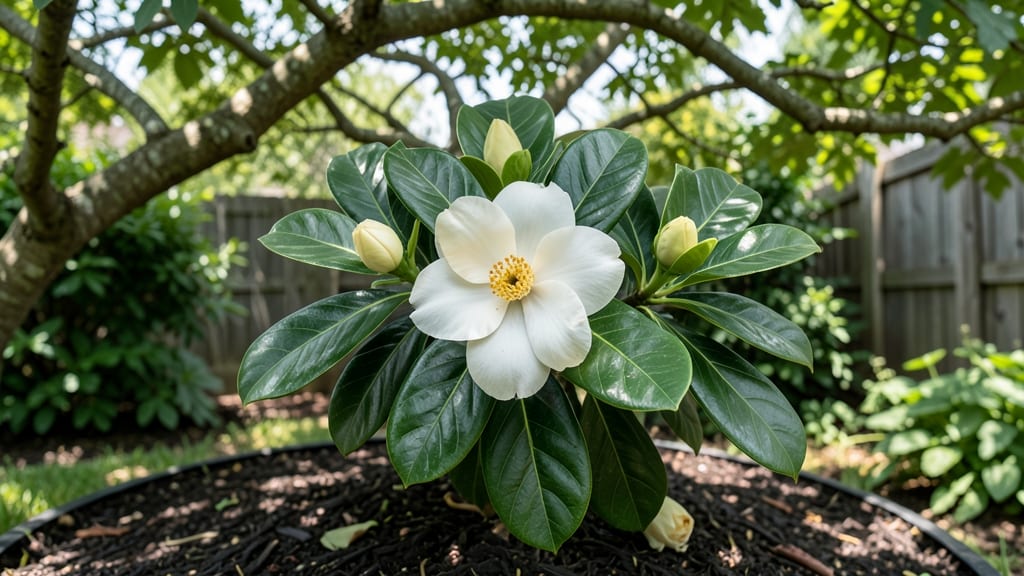
Growing gardenias in Zone 5 requires selecting cold-hardy varieties like Gardenia jasminoides 'Kleim's Hardy' and protecting them with winter mulch, microclimates, or containers for overwintering. Prune back in late winter and avoid frost exposure to ensure spring blooms.
Gardenias thrive in warmer climates, but with the right approach, you can grow these fragrant plants in Zone 5's colder winters. 🌸 The key is choosing varieties bred for resilience, like 'Kleim's Hardy,' which can withstand temperatures down to 10°F with proper protection.
I've found that combining mulching with container relocation during extreme cold snaps gives the best results. The right timing for pruning—right after the last frost—helps stimulate fresh growth while avoiding late-season blooms that won't survive winter.
For best results, focus on creating a sheltered microclimate near your home's south-facing wall or using thick mulch (at least 4-6 inches) around the base. If you're container-growing, move pots to an unheated garage or basement during the coldest months.
Remember, gardenias need consistent moisture even in winter, but avoid overwatering, which can lead to root rot when temperatures drop.
💡 In This Article
- Cold-Hardy Gardenia Varieties for Zone 5 Climates
- Winter Protection Strategies for Zone 5 Gardenias
Cold-hardy gardenia varieties for Zone 5 climates
Most gardenias originate from tropical regions where temperatures rarely drop below 50°F, but specific hybrids like Gardenia jasminoides 'Kleim's Hardy' have been bred to survive Zone 5 winters. These varieties contain genetic traits from Gardenia augusta, a species native to warmer regions but with some cold tolerance.
The key difference lies in their leaf structure—hardy varieties develop thicker, waxier leaves that reduce moisture loss during cold snaps, while tropical types have delicate, thin foliage that freezes easily at 25°F.
The hardiness ratings for these varieties typically range from USDA Zone 7-11 for tropical gardenias to Zone 5-9 for hybrids like 'Kleim's Hardy.' What sets them apart is their ability to enter a dormant state when temperatures drop, similar to how deciduous shrubs survive winter.
For example, 'Kleim's Hardy' can handle brief exposures to 10°F without permanent damage, though prolonged cold below 15°F will still cause leaf burn. The trade-off? These hardy varieties often produce slightly smaller blooms (typically 2-3 inches in diameter) compared to tropical gardenias, which can reach 4-5 inches.
When selecting a variety, consider your specific microclimate. If you live in the colder end of Zone 5 (like Minnesota or northern New Yorkcontainer-grown gardenias that can be moved indoors during winter.
For in-ground planting, choose a sheltered location where afternoon sun warms the soil—this helps roots stay slightly warmer, which is critical since gardenias are shallow-rooted and vulnerable to frost heaving.
The fragrance from these hardy varieties is just as intoxicating as their tropical cousins, with that classic gardenia scent containing over 100 volatile compounds, including linalool and benzyl acetate.
Another factor to watch is growth habit. Hardy gardenias tend to be more compact, reaching 3-5 feet tall and wide, compared to tropical types that can sprawl up to 6 feet. This makes them ideal for smaller gardens or container culture.
However, their slower growth means they may take 2-3 years to establish enough root mass to handle Zone 5 winters without additional protection. 🌿
For those who want the largest blooms, consider growing tropical gardenias in containers that can be overwintered in unheated greenhouses or basements. The Gardenia jasminoides 'Radicans' variety, while not as cold-hardy, produces stunning 4-inch flowers and can be brought indoors before temperatures drop below 40°F.
The key is balancing your desire for size against your ability to provide winter protection.
One common misconception is that all gardenias need full sun. While they do require 6-8 hours of sunlight daily for optimal blooming, hardy varieties can tolerate partial shade in hot afternoons.
In Zone 5, this is actually beneficial—it reduces water stress during summer heatwaves while still allowing enough light for photosynthesis. The leaves of hardy gardenias develop a slightly darker green hue compared to tropical types, which is another visual clue to their cold-adapted nature.