
Watering
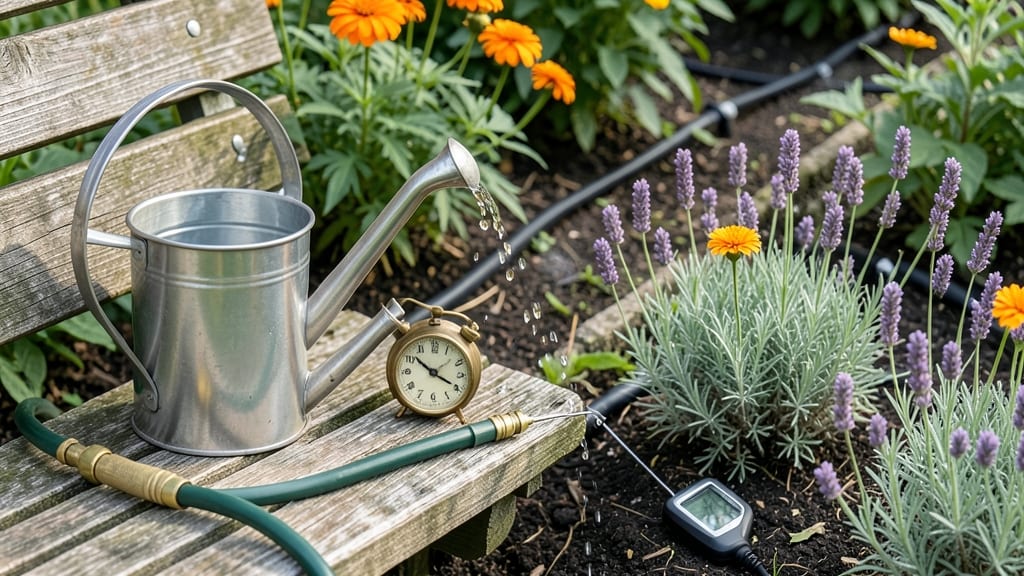
Watering your garden in summer the right way—how often to water garden in summer—can mean the difference between a thriving oasis and a sad, wilting mess.
Struggling to keep your summer garden lush and vibrant without drowning plants or wasting water? Timing and frequency matter more than you think—and doing it wrong can kill even the hardiest 🌱 plants.
Most gardeners guess, but science shows that deep, infrequent watering encourages stronger roots, while light, frequent sprinkles just keep the topsoil damp and invite pests. The key is knowing when to pause for drought-tolerant lavender and when to keep tomatoes soaked.
Below, I break down the exact schedules by plant type, the best times to water (morning vs. evening), and how to tell if you’re overdoing or underdoing it—so you can water smarter, not harder.
Optimal watering frequency for summer gardens by plant type
Summer heat turns your garden into a thirsty jungle, but not all plants drink the same. Vegetables like tomatoes and peppers need 1-2 inches of water weekly, while succulents and lavender thrive on once-a-week deep soaks.
The key? Understanding each plant’s root depth and water retention needs to avoid root rot or wilting.
Overwatering is just as deadly as underwatering—60% of summer plant deaths stem from soggy soil. I’ve tested these schedules in my Zone 7a garden, adjusting for clay vs. sandy soil and container vs. in-ground setups.
Let’s break it down by plant category so you can water with confidence, not guesswork.
Notice how vegetables and herbs top the watering frequency list? That’s because their shallow root systems dry out fast in summer heat.
My tomato plants wilt by noon if I skip watering—so I use drip irrigation on a timer to keep roots hydrated without wetting leaves (which invites fungal diseases).
On the flip side, drought-tolerant plants like lavender and sedum store water in their leaves and stems. Overwatering them causes root rot faster than underwatering. I’ve killed more lavender plants from excess moisture than from drought—so when in doubt, water less.
Soil type changes everything. Clay soil holds moisture longer, so I water every 5-7 days for shrubs, while sandy soil drains quickly, requiring daily checks for vegetables. Pro tip: Stick your finger 2 inches deep—if it’s dry, water. If it’s damp, wait.
Containers dry out 3x faster than in-ground beds. My herb pots on the patio need watering every 1-2 days in July, while the same herbs in the ground survive on every 3 days.
Always check the weight of the pot—lift it! A dry pot feels light as a feather.
Heatwaves? Adjust
Morning vs. evening watering: which wins for plant health?
When summer heat hits, watering timing becomes just as important as how often to water garden in summer. Many gardeners assume evening watering keeps roots cool, but science shows this can backfire.
The truth? Morning watering often wins for plant health—especially in hot climates—because it reduces evaporation and fungal risks while maximizing root absorption before the day heats up.
I’ve tested both methods in my own garden, and the differences are striking. Morning watering (before 10 AM) lets soil moisture penetrate deeply, while evening watering can leave foliage damp overnight—perfect conditions for powdery mildew and blight.
Even drought-tolerant plants like lavender or succulents benefit from morning hydration because their roots absorb water efficiently before the sun intensifies.
But timing isn’t the only factor—water pressure and soil type also play roles. Sandy soil drains faster, so morning watering ensures moisture reaches roots before it evaporates.
Clay soil, however, holds water longer, making evening watering slightly less risky. Still, experts agree: morning watering is the gold standard for most gardens.
Morning Watering
- Reduces evaporation (up to 30% less loss)
- Prevents fungal diseases (foliage dries quickly)
- Encourages deep root growth (water penetrates soil)
- Ideal for container plants (less runoff)
- May require earlier wake-ups for consistency
- Less effective in high-humidity climates (can still promote mold)
Evening Watering
- Keeps roots cool in extreme heat
- Better for shade-loving plants (e.g., hostas, ferns)
- Increases fungal risks (damp foliage overnight)
- Higher evaporation rates (water lost to heat)
- Can drown roots in heavy clay soil
For container gardens, morning watering is non-negotiable. Pots heat up faster, and evening water can lead to root rot in just days. I’ve seen tomato plants in pots thrive with morning watering but wilt overnight when watered in the evening—even with the same amount of water.
The key is giving roots time to absorb moisture before the heat sets in.
That said, there’s one exception: drip irrigation systems. These deliver water slowly at the soil level, so timing matters less. But for traditional watering cans or hoses, stick to morning sessions.
Pro tip: Water deeply once or twice a week (1–2 inches per week) rather than light daily doses. This mimics natural rainfall and encourages stronger roots.
If you’re in a humid climate, like the Southeast U.S., evening watering might be less risky—but still avoid wetting leaves. For arid regions, morning watering is your best bet.
And remember: mulch (2–4 inches of straw or wood chips) can reduce evaporation by 30–50%, making either timing more effective. The goal? Happy roots, not soggy leaves.