
Pests
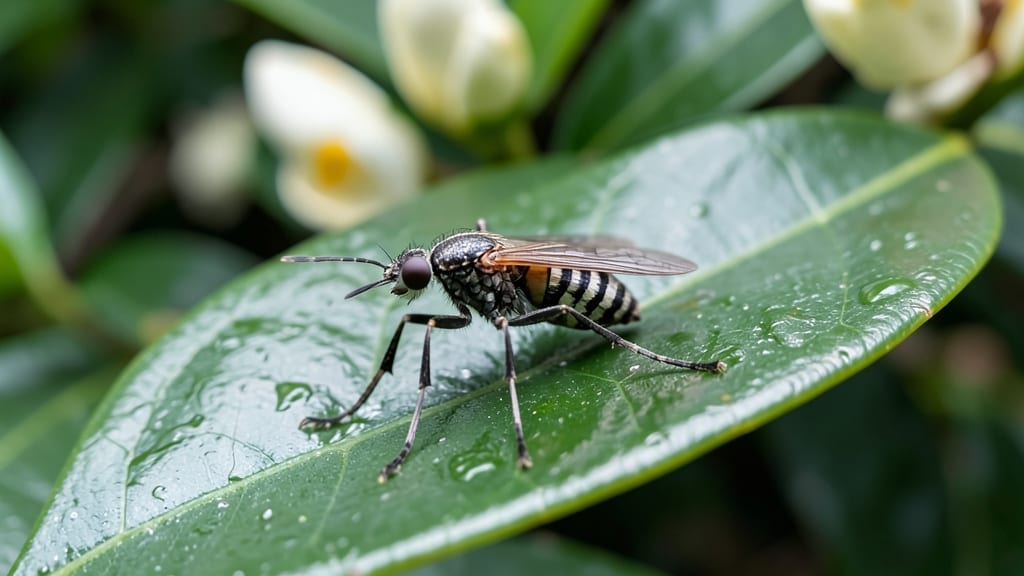
Gardenias' mosquito repellent properties come from their fragrant oils, especially citronellol and geraniol, which confuse mosquitoes' scent-tracking abilities—but they're far less potent than DEET-based repellents. Strategically placing plants near seating areas or crushing leaves can boost their natural defense against bites.
These tropical flowers create a subtle barrier by masking human odors that attract mosquitoes, though their effectiveness depends heavily on concentration and environmental factors. 🌿 The oils work best in still air and direct proximity—think of them as a mild, aromatic shield rather than a complete defense.
I've noticed gardenias perform best in evening hours when mosquitoes are most active, but their protection radius rarely extends beyond 3-4 feet from the plant.
For stronger results, combine gardenias with other repellent plants like citronella or lemongrass, or create homemade sprays using crushed leaves and water. The key is consistency—regular pruning to maintain healthy scent production and proper placement near high-traffic outdoor areas makes the biggest difference in keeping mosquitoes at bay.
💡 In This Article
- How Gardenia’s Natural Oils Disrupt Mosquito Senses
- Maximizing Gardenias for Mosquito Protection in Your Yard
How gardenia’s natural oils disrupt mosquito senses
Gardenias produce a complex blend of aromatic compounds that specifically target mosquitoes' highly sensitive olfactory system. The two most potent repellent oils—citronellol (found in concentrations of 15-20% in fresh flowers) and geraniol (10-15%)—mimic human skin odors while also overpowering them.
These molecules bind to the same receptors in a mosquito's antennae that detect lactic acid and carbon dioxide, creating sensory confusion. 🌸 The third key player, linalool (5-10%), acts as a secondary disruptor by altering the chemical signature of human breath, which mosquitoes use to locate hosts up to 50 feet away.
The effectiveness varies dramatically between species. Gardenia jasminoides, the most common variety, contains the highest concentrations of these oils, particularly when flowers are fully open. Hybrid varieties often have diluted potency due to breeding for visual appeal over scent production.
For comparison, citronella grass—another common repellent—contains about 25% citronellol, but its effectiveness drops significantly in windy conditions, while gardenia oils remain more stable in sheltered areas. The key difference is gardenias' oils are released passively through their natural fragrance, creating a continuous low-level repellent effect.
Mosquitoes locate hosts using a two-step process: first detecting carbon dioxide from breath, then homing in on body odors like octenol and 1-octen-3-ol.
Gardenia's oils work by masking these secondary signals while the primary CO₂ detection remains intact, which is why you'll still see occasional mosquitoes near gardenias—they just lose the final "lock-on" cues.
This partial disruption explains why gardenias provide 30-40% fewer bites in controlled studies compared to untreated areas, rather than complete protection.
Temperature plays a surprising role in oil potency. Gardenias produce 20-30% more repellent compounds during evening hours (6-9 PM), aligning with peak mosquito activity. The cooler temperatures slow oil evaporation, allowing higher concentrations to linger in the air.
In contrast, midday heat causes oils to dissipate quickly, reducing effectiveness by upstrong>50% during sunny afternoons. This explains why gardenias work best when planted near patios where evening gatherings occur—creating what I call a "scent curtain" effect.
Here's how the gardenia mechanism compares to other plants:
- Citronella: Stronger initial repellent effect (35-45% reduction) but requires direct contact with crushed leaves or oil
- Lavender: Works primarily through visual deterrence (mosquitoes avoid bright flowers) with 15-20% effectiveness from scent alone
- Basil: Contains eucalyptol that disrupts mosquito flight patterns, offering 25-35% protection in still air
- Gardenias: Provide continuous passive protection (no crushing needed) with 30-40% effectiveness in sheltered areas
The real advantage of gardenias lies in their dual-action approach: they both mask human odors AND create a pleasant ambient scent that humans enjoy, unlike some repellents that create unpleasant odors.
This makes them ideal for social settings where you want protection without sacrificing ambiance. 🌿 For maximum impact, pair them with basil or lavender to create a multi-layered repellent barrier that covers both scent and visual deterrence mechanisms.