
Tools
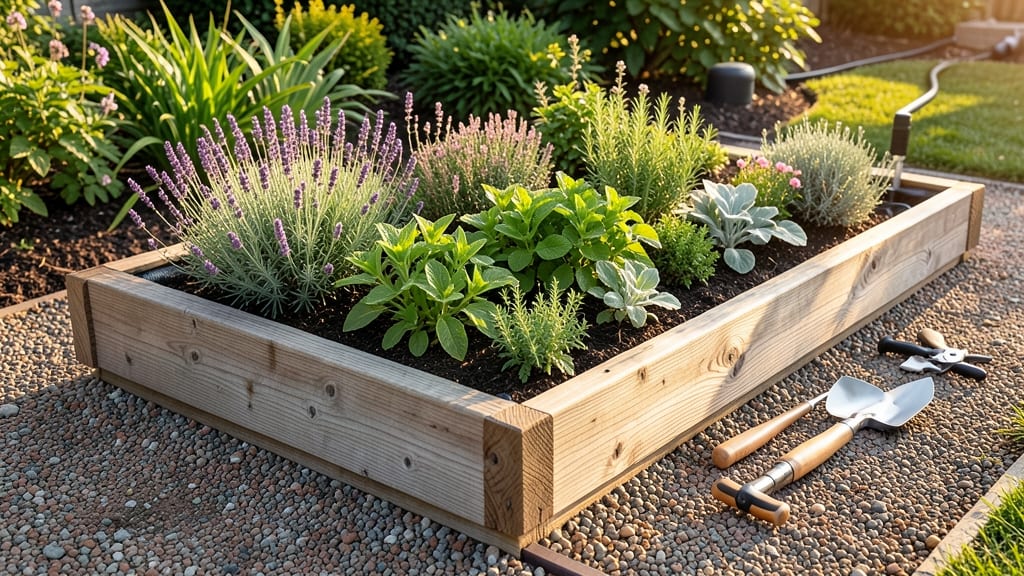
Gardening for people with disabilities becomes fully accessible when using raised planting areas, adaptive tools designed for ease of use, comfortable seating options, and smart technology like voice-controlled watering systems that maintain full control over outdoor spaces.
Creating an inclusive garden starts with understanding individual needs—whether it's limited mobility, reduced grip strength, or sensory sensitivities.
Raised beds eliminate bending while allowing wheelchair access, and lightweight tools with extended handles reduce strain. 🌱 I've seen adaptive designs transform gardens into spaces where everyone can participate, from adjustable-height workstations to sensory-friendly plants that stimulate without overwhelming.
The key is combining practical solutions with personal preferences to make gardening both possible and enjoyable.
Smart technology plays an increasingly important role too. Voice-activated irrigation systems let gardeners control watering schedules hands-free, while adaptive seating with back support makes long sessions comfortable. Many adaptive tools are now available at reasonable prices, with some even customizable for specific conditions.
The goal isn't just accessibility—it's creating spaces that inspire confidence and independence in gardening activities.
💡 In This Article
- Adaptive Gardening Tools for Mobility and Strength Challenges
- Designing Accessible Garden Layouts for All Abilities
Adaptive gardening tools for mobility and strength challenges
Specialized gardening tools are designed to address specific physical challenges by reducing strain and increasing control. For example, one-handed pruners feature ergonomic handles that allow users to grip with just one hand while maintaining 10-15 pounds of cutting force—similar to standard pruners but with a pivoting second handle.
These tools often incorporate non-slip grips made from textured rubber or foam, which provide better traction than smooth metal handles, especially when hands are sweaty or affected by conditions like arthritis. 🌿 The lightweight aluminum construction (typically weighing 8-12 ounces) makes them easier to maneuver than heavier steel tools, reducing arm fatigue during extended use.
Long-reach harvesters and grabber tools solve another common challenge: bending and stretching. These extendable tools (often 24-36 inches long) let users harvest crops from the ground without kneeling, which is particularly valuable for those with back issues or limited lower-body mobility.
The articulating joints in these tools allow for precise picking of fruits and vegetables, while the padded grips distribute pressure evenly across the hand. For sensory sensitivities, some models feature vibration feedback to confirm when plants are securely grasped, which helps users with visual impairments.
The trade-off? Some lightweight models may feel less sturdy than traditional tools, but the added reach and comfort often outweigh this concern.
Weighted gloves (typically 1-3 pounds) serve a dual purpose: they provide grip enhancement for those with reduced hand strength while also offering gentle resistance exercises during gardening tasks. These gloves are particularly useful for tasks like weeding or transplanting, where consistent pressure is needed to avoid dropping plants.
The weights are strategically placed in the palm and fingers to mimic the feel of standard gardening gloves without adding bulk. For users with dexterity challenges, loop-style gloves with elastic bands can help secure tools like trowels or rakes, preventing them from slipping mid-task.
Material choices also play a critical role in tool accessibility. Lightweight aluminum and composite materials reduce strain for those with limited upper-body strength, while stainless steel offers durability for users with higher grip strength.
Some adaptive tools now include adjustable handles that can be widened or angled to accommodate different hand sizes and grip types. For example, tools with D-shaped handles provide better control than round handles for users with arthritis, as they prevent rolling in the hand.
The evolution of these tools reflects a growing understanding that accessibility isn't one-size-fits-all—it's about tailoring solutions to individual needs.
Beyond physical adaptations, some tools incorporate smart technology to further enhance usability. Bluetooth-enabled soil probes can sync with mobile apps to provide real-time moisture and nutrient readings, while voice-activated sprinklers allow hands-free watering control.
These innovations are particularly beneficial for users with limited mobility, as they eliminate the need for manual adjustments. The cost of adaptive tools has also become more reasonable, with many options now available for under $50, making them accessible to a broader range of gardeners. 💫
What makes these tools truly transformative is how they restore confidence in gardening. For someone with arthritis, a one-handed pruner isn't just a tool—it's a way to prune roses without pain. For a wheelchair user, a long-reach harvester turns vegetable picking into an independent activity.
The key is trying different tools to find what works best for individual abilities, because the right adaptation can turn gardening from a challenging task into a joyful, empowering experience.