
Tools
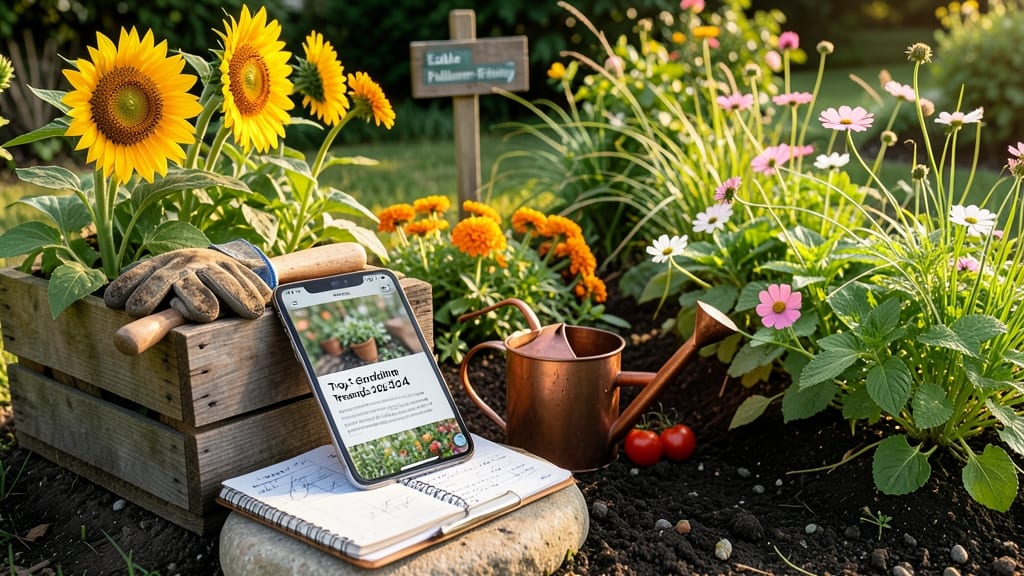
Today’s gardening news reveals how 2024 is shaping up with game-changing trends like vertical farming systems, drought-resistant plant varieties, and AI-powered soil analysis tools—all designed to help gardeners adapt to climate challenges while boosting yields sustainably.
This year’s gardening landscape is all about merging technology with traditional practices to create smarter, more resilient gardens. 🌱 Vertical farming, for example, isn’t just for urban apartments anymore—it’s becoming a mainstream solution for maximizing small spaces while conserving water.
Meanwhile, drought-resistant plants like lavender and succulents are gaining popularity as gardeners prioritize low-maintenance, eco-friendly options that thrive in changing weather patterns.
What’s particularly exciting is how AI tools are making soil analysis more accessible. These devices can now test pH levels, nutrient content, and even moisture retention in real time, helping gardeners make data-driven decisions instead of guessing.
For home growers, this means fewer wasted resources and healthier plants with minimal effort. The shift toward climate-smart gardening isn’t just a trend—it’s a necessity as we adapt to rising temperatures and unpredictable rainfall.
💡 In This Article
- 2024’s Top Gardening Trends and Their Impact
- How to Apply Today’s Gardening Innovations at Home
2024’s top gardening trends and their impact
Vertical gardening has surged beyond urban apartments into mainstream home landscapes, thanks to its ability to save space while increasing yields by up to 40% compared to traditional in-ground planting.
The science behind this trend lies in hydroponic systems that deliver nutrients directly to roots via water, reducing evaporation losses by 90% in drought-prone areas. Popular systems like the GrowVeg Hydroponic Tower now start under $200, making them accessible for small-scale growers. 🌱
Regenerative agriculture practices—like cover cropping with clover or planting nitrogen-fixing legumes—are gaining traction as gardeners seek ways to rebuild soil health. Studies show these methods can increase soil organic matter by 0.5-1.0% annually, which improves water retention and reduces erosion.
The Rodale Institute reports that regenerative farms sequester 30-50% more carbon> than conventional ones, turning gardens into climate solutions. For home growers, this means choosing plants like comfrey or alfalfa that double as mulch and fertilizer.
AI-driven soil analysis tools are revolutionizing how gardeners monitor plant health. Devices like the TerraProbe or Soil Scout use sensors to measure 17 key soil parameters>, including pH, salinity, and micronutrient levels, then provide actionable recommendations via smartphone apps.
What sets these apart is their ability to predict nutrient deficiencies 2-3 weeks before> visual symptoms appear, preventing crop losses. For example, a low magnesium> reading might trigger a recommendation for Epsom salt> application, saving gardeners both time and money.
The rise of drought-resistant plants ties directly to climate adaptation. Varieties like drought-tolerant zinnia> or native milkweed> require 30-50% less water> than traditional annuals while supporting pollinators.
The U.S. Drought Monitor> shows 40% of the U.S.> now faces drought conditions, making these plants essential for sustainable landscapes. Their deep root systems also improve soil structure, reducing runoff and improving water infiltration.
Expert predictions for 2024 emphasize microclimate gardening>, where gardeners create localized growing conditions using shade cloth, windbreaks, or raised beds. This approach can extend growing seasons by 2-4 weeks> in cooler climates or protect delicate plants from heat stress.
For instance, a 50% shade cloth> over tomatoes in 90°F+> weather maintains fruit quality while reducing water needs by 20%>. 💧
What most home gardeners don’t realize is how these trends interconnect. Vertical farming reduces water use, which aligns with drought-resistant planting, while AI tools optimize soil health—creating a feedback loop of sustainability.
The key takeaway? Modern gardening isn’t about choosing one trend but integrating multiple strategies tailored to your local climate and space constraints.