
Planting
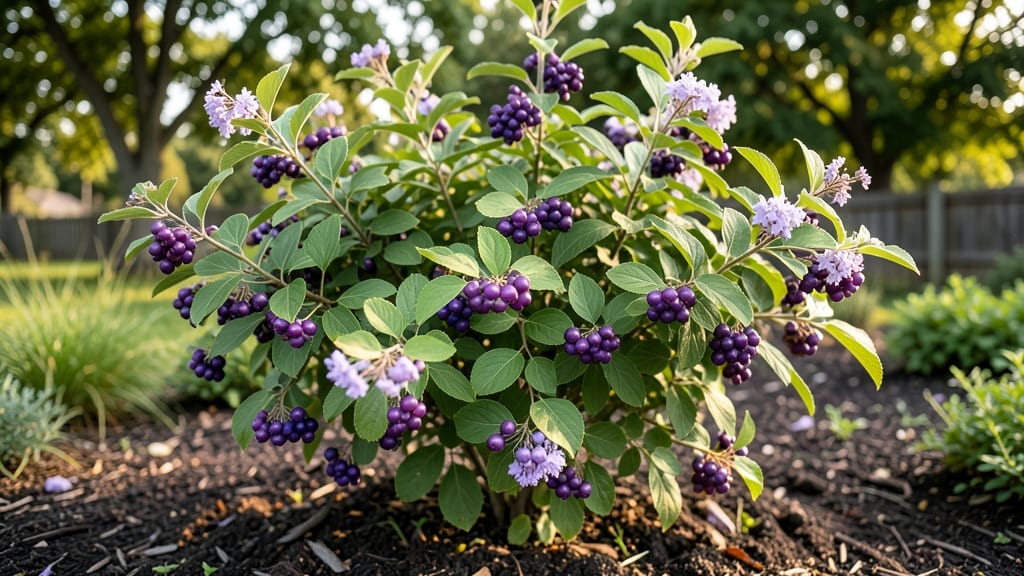
Gardening in Zone 7A lets you grow diverse plants year-round thanks to its mild winters (0°F to 5°F) and warm summers, making it ideal for cold-resistant perennials, seasonal vegetables, and hardy flowers.
This zone's climate range—from 0°F to 5°F in winter—creates a unique growing window that extends beyond most regions. 🌱 Unlike colder zones, Zone 7A can support late-winter planting of frost-tolerant crops like kale and peas, while summer heat allows for tropical vegetables like okra and sweet potatoes.
The key is matching plant hardiness zones to your microclimate, whether you're in a sheltered valley or an urban area with heat retention.
For example, roses and lavender thrive here year-round, while tomatoes and peppers reach peak production in summer's extended warmth. Understanding your last frost dates—typically mid-April to early May—helps time spring plantings perfectly for maximum yield.
💡 In This Article
- Understanding Zone 7A Climate and Its Impact on Plant Selection
- Zone 7A Planting Calendar: When to Start Seeds and Transplant
Understanding Zone 7A climate and its impact on plant selection
Zone 7A's climate creates a delicate balance between cold winters and warm summers, with average minimum temperatures dipping to 0°F to 5°F (-18°C to -15°C) but rarely staying cold for extended periods.
This unique range allows certain plants to survive winter dormancy while others thrive during the 70-90°F (21-32°C) summer growing season. The key difference from colder zones is how quickly soil warms in spring—often reaching 50°F (10°C) by early March, which is crucial for early plantings.
Frost dates are critical here: first frost typically arrives between November 15-30, while the last frost occurs around April 15-May 1.
This 200-220 day frost-free period is perfect for warm-season crops like tomatoes and peppers, but also allows for two full vegetable harvests—spring and fall—when planting cool-season crops like broccoli and lettuce.
Microclimates play a huge role: urban areas can be 5-10°F warmer than rural zones due to heat retention, while valleys may experience earlier frosts.
Plant hardiness zones measure a plant's ability to survive winter temperatures, but Zone 7A's short, mild winters mean many plants can survive that wouldn't in colder zones. For example, hydrangeas (Zone 6) often survive here, while camellias (Zone 7-9) flourish with regular watering.
The real challenge comes in summer when heat waves can push temperatures to 95°F+ (35°C+), requiring shade for heat-sensitive plants like basil and squash. 🌿
Soil conditions vary dramatically across Zone 7A regions. Coastal areas often have sandy, well-draining soil that warms quickly, while inland zones may have heavier clay that stays cooler longer. This affects planting times—sandy soil can support earlier spring plantings by 2-3 weeks compared to clay-heavy areas.
The pH range typically sits between 6.0-7.0, which suits most vegetables but requires lime for acid-loving plants like blueberries.
One often-overlooked factor is the humidity gradient across Zone 7A. Eastern regions experience more consistent moisture, while western areas can be 20% drier in summer. This affects irrigation needs—drip systems work best in dry zones, while raised beds improve drainage in humid areas.
The combination of these factors explains why perennials like lavender and rosemary thrive in Zone 7A while tropical plants like bananas only survive in microclimates with winter protection.
For gardeners, understanding these climate nuances means selecting plants that match both your zone AND your specific microclimate. A north-facing slope might support shade-loving plants year-round, while a south-facing wall could extend the growing season by 3-4 weeks for heat-loving vegetables.
This precision in plant selection is what makes Zone 7A gardening so rewarding—you're working with nature's advantages rather than against them. 🌱